
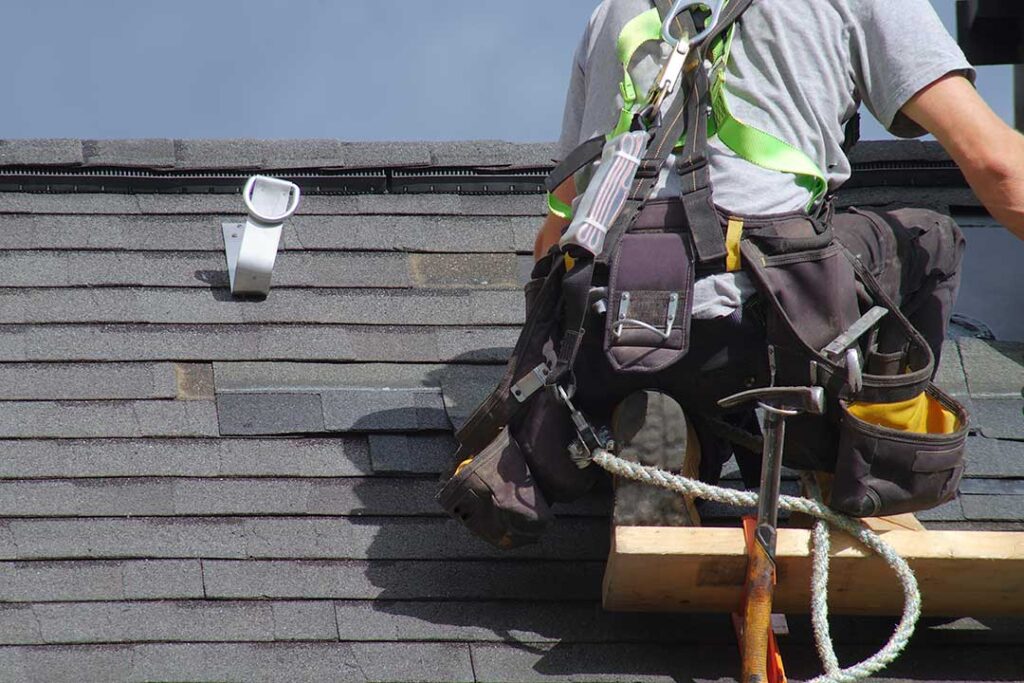
Rain on a roof can be relaxing, but heavy downpours may become surprisingly loud indoors. The sound is usually strongest in rooms directly beneath the roof, especially when the roofing surface is metal, the attic is lightly insulated, or rainwater strikes gutters and nearby surfaces.
Reducing the noise usually requires more than changing the roof covering. Sound can enter through the roof assembly, attic, ceilings, walls, windows, gutters, and even outdoor objects near the home. The most effective approach is to identify where the sound is being created and how it is traveling.
Why does rain sound loud inside a house?
Rain noise becomes noticeable when water strikes a hard, thin, or poorly isolated surface. Metal roofing often produces a sharper sound than asphalt shingles because the material can transmit impact vibrations more readily. However, any roof can sound loud if the attic and ceiling offer little sound absorption.
Common reasons include:
- Minimal insulation between the roof and living space
- An unfinished attic with exposed roof decking
- A vaulted or cathedral ceiling with limited insulation depth
- Loose metal panels, flashing, vents, or gutter components
- Rainwater falling directly into or onto gutters
- Water dripping from roof edges onto decks, porches, or window trim
- Thin ceilings or recessed light openings that allow sound to pass through
- Wind-driven rain striking siding, skylights, and exterior vents
Seasonal conditions in Greene, NY can make the issue more noticeable. Long periods of steady rain, spring storms, and cold-weather precipitation may expose weaknesses in insulation, drainage, or roof detailing that are less apparent during dry weather.
Can attic insulation reduce roof noise?
Yes. Adding or improving attic insulation is often among the most effective ways to reduce rain noise below a conventional attic. Insulation absorbs some sound energy and limits the vibration that travels from roof decking into the rooms below.
For an attic with enough ventilation space, loose-fill or batt insulation can help quiet the ceiling. The material should be installed evenly and should not block soffit, ridge, or other required ventilation paths. Compressed, damp, or poorly distributed insulation is less effective and may create moisture problems.
Air sealing can also improve sound control. Small openings around plumbing pipes, electrical wiring, ceiling fixtures, attic hatches, and ductwork can allow sound to pass through. Sealing appropriate gaps with compatible materials reduces both noise movement and unwanted air leakage.
Insulation is not a complete solution for every roof. If a room has a vaulted ceiling with little accessible cavity space, improvements may require work from the interior or during a future roof replacement.
What can be done in a vaulted or cathedral ceiling?
Vaulted ceilings are often more difficult to quiet because there may be no open attic above them. The available space between the roof deck and interior ceiling may be narrow, and insulation must be installed without interfering with ventilation or creating a trapped moisture layer.
Possible sound-reduction measures include:
- Installing insulation designed for the available cavity depth
- Improving air sealing around ceiling penetrations
- Adding resilient channels or acoustic furring before new ceiling finishes
- Using multiple layers of properly installed ceiling board
- Including sound-absorbing materials during a major roof or ceiling renovation
These options are not equally practical in every room. Adding ceiling layers can reduce headroom, affect trim, and require changes around lights or vents. Planning is especially important where the roof structure has limited space.
Does roof underlayment help with rain noise?
Some underlayments can slightly reduce vibration and provide a more solid separation between the roof covering and roof deck. Their main purpose, however, is moisture protection rather than soundproofing.
A roof underlayment should not be treated as a substitute for insulation or a properly built ceiling assembly. If reducing noise is a major goal, the roof design should be considered as a complete system that may include the roof covering, underlayment, roof deck, insulation, air space, and interior ceiling.
During replacement, it may be possible to select materials that produce less impact noise than a thin, rigid assembly. The final result depends on installation quality, roof shape, attic construction, and the materials already present in the home.
How can gutter and downspout noise be reduced?
Gutters can create a distinct tapping, rushing, or splashing sound during rainfall. Water may strike the gutter bottom, flow rapidly through a narrow section, or drop from an upper roof onto a lower gutter or roof edge.
Useful improvements may include:
- Tightening loose gutter hangers and downspout straps
- Correcting sections that hold standing water
- Replacing damaged or poorly supported components
- Adding suitable downspout outlets or extensions
- Directing discharge away from decks, window wells, and hard surfaces
- Checking whether an upper roof drains directly onto a lower roof section
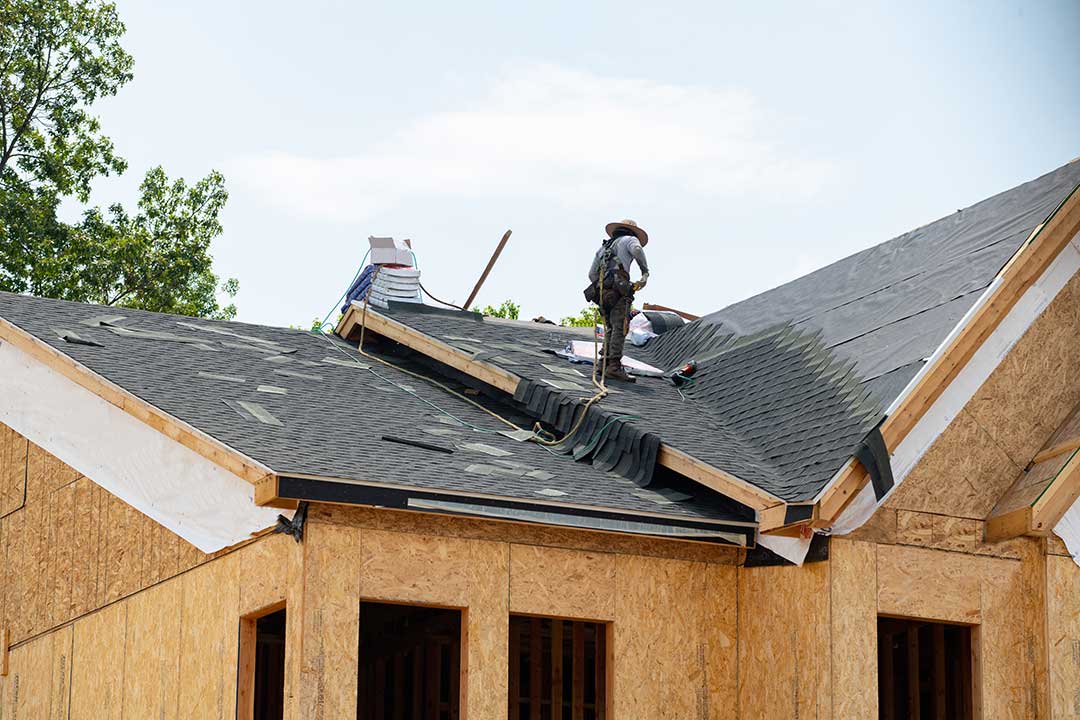
Gutter guards do not automatically make rain quieter. Some designs can reduce debris but may create additional splashing if water hits a raised or uneven surface. The condition and slope of the entire drainage system matter more than the presence of a guard alone.
Can landscaping or outdoor changes make a difference?
Yes. Not all rain noise comes through the roof. Water may be striking a metal awning, porch roof, plastic covering, window trim, or exterior equipment near a bedroom.
Observe the building during a storm, if conditions are safe. Listen for whether the sound is strongest at the roof, a gutter, a window, or a lower-level structure. Soft landscaping can sometimes reduce noise from water striking hard ground, while proper drainage can prevent concentrated dripping near walls and windows.
Tree branches should not rub against roofing or gutters. Besides creating noise, repeated contact can damage roof surfaces and loosen components. Branches, ladders, stored materials, and other objects should never be placed against the roof or used as a makeshift way to inspect it during bad weather.
Are roof repairs necessary if the main concern is noise?
Sometimes. A sudden change in rain noise can indicate a loose panel, damaged flashing, an unsecured vent, missing fasteners, or a gutter connection that has shifted. A rattling, banging, or irregular tapping sound deserves attention, particularly if it occurs during wind rather than rainfall alone.
Signs that the issue may involve a roof or drainage defect include:
- Water stains on ceilings or walls
- Damp attic insulation
- Musty odors
- Visible daylight through the roof assembly
- Sagging gutters
- Drips that continue after the rain stops
- New sounds following a storm or roof work
Roof surfaces can be slippery, and wet-weather inspections are hazardous. Interior observations from the attic or living space are safer. Any work involving steep slopes, electrical components, structural repairs, or suspected water damage may require qualified assistance for safety and code compliance.
What is the most practical order of improvement?
Start by locating the sound. Determine whether it comes from the roof covering, attic, ceiling, gutter, downspout, window, or another exterior surface. Then check for obvious maintenance issues before considering major construction.
A sensible sequence is:
- Secure loose roof, flashing, gutter, and downspout components.
- Correct drainage problems and concentrated dripping.
- Inspect attic insulation for gaps, compression, dampness, or blocked ventilation.
- Seal suitable air leaks around attic openings and ceiling penetrations.
- Consider ceiling or roof-assembly improvements during planned renovation.
- Address windows, porches, awnings, or hard surfaces that amplify nearby dripping.
The quietest roof is usually not created by a single specialized product. It results from a stable roof covering, controlled drainage, adequate insulation, careful air sealing, and a ceiling assembly that limits vibration. For households dealing with frequent storms, improving these elements can make indoor spaces calmer while also supporting moisture control and energy performance.
