
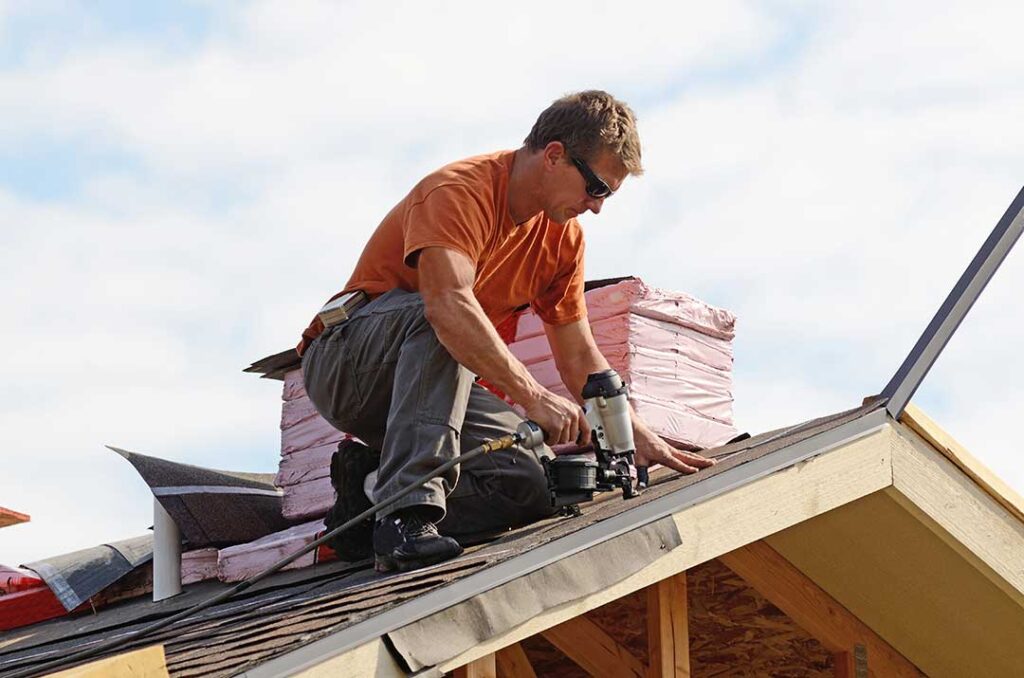
Solar panels can be a practical addition to a home, but the condition and design of the roof should be evaluated before any installation begins. In Greene, NY, seasonal snow, ice, wind, freeze-thaw cycles, and older housing stock can all affect whether a roof is ready to support a solar array.
The panels themselves are only one part of the project. The roof covering, framing, flashing, drainage, electrical layout, and future maintenance access all deserve attention.
Is the roof strong enough for solar panels?
A properly designed roof can usually support the added weight of a solar array, but that should not be assumed based on appearance alone. The roof structure must account for the weight of the panels, mounting hardware, wiring, and any additional loads from snow or maintenance activity.
This matters particularly in a region with winter weather. Snow may accumulate around roof edges, in valleys, or below higher roof sections. Drifting can create uneven loads that are different from the uniform weight of the panels.
A structural review may be appropriate when:
- The home has an older or visibly altered roof structure.
- Rafters or trusses show sagging, splitting, water damage, or unusual movement.
- The roof has a history of leaks.
- The building has undergone additions or remodeling.
- Solar equipment will be installed on a detached structure with limited framing.
- The roof design is complex or includes multiple elevations.
A roof that already shows structural distress should not be treated as ready simply because the panels are lightweight compared with other construction materials.
Should a roof be replaced before installing solar?
If the roof is near the end of its expected service life, replacing it before solar installation is often more practical than installing panels first. Solar mounting equipment can remain in place for decades, while asphalt shingles or other roof coverings may need attention sooner.
Installing panels over a roof that will soon need replacement can create extra work. The array may need to be removed and reinstalled, and additional labor can be required to protect wiring, flashing, and mounting points during the roofing project.
Warning signs that deserve closer review include:
- Curling, cracked, brittle, or missing shingles
- Granules collecting heavily in gutters
- Repeated leaks or stained roof decking
- Soft areas underfoot
- Rusted or damaged flashing
- Sagging roof lines
- Moss or organic growth associated with persistent dampness
A relatively new roof is not automatically suitable, either. Its condition, slope, framing, roof layout, and attachment points still need to be considered.
How do snow, ice, and wind affect rooftop solar?
Solar panels are designed for outdoor conditions, but the entire roof-mounted system must be installed for the local weather environment. Mounting equipment needs to resist wind forces, and roof attachments must be properly sealed so water cannot enter around penetrations.
Snow does not usually need to be manually cleared from panels. Attempting to climb onto a snowy or icy roof can create a serious fall hazard, and scraping can damage the panel surface. Panels often shed snow as sunlight warms them or as the snow slides naturally, although roof shape and temperature affect how quickly that happens.
Snow guards may be worth considering where sliding snow could fall over an entryway, walkway, driveway, parked vehicle, or lower roof. They do not eliminate snow movement, but they can help control how snow releases from the roof.
Ice dams are another concern. Solar panels do not automatically cause ice dams, but poor attic insulation, inadequate ventilation, air leakage, and roof geometry can contribute to them. Before installation, persistent winter moisture or ice buildup should be addressed as a roof and attic issue rather than blamed on the panels alone.
What roof areas work best?
The best roof area is not always the largest open section. Solar layout depends on sunlight, slope, shading, roof condition, access requirements, and the location of vents or other equipment.
Trees, chimneys, dormers, neighboring structures, and roof projections can cast shadows at different times of day and year. A roof that appears sunny in summer may receive more shade during the lower winter sun angle.
Roof sections should also be reviewed for:
- Adequate uninterrupted space
- Safe distance from edges and roof features
- Clear pathways for emergency and maintenance access
- Minimal shading
- Sound roof decking and framing
- A slope compatible with the mounting system
Panels should not cover damaged areas, active leaks, or roof sections that are difficult to inspect. Keeping some access around vents and other components can simplify future maintenance.
Can solar panels cause roof leaks?
Solar panels do not inherently cause leaks. Most problems occur when roof penetrations are poorly located, improperly flashed, inadequately sealed, or installed without regard to the roof covering manufacturer’s requirements.
A reliable installation should preserve the roof’s water-shedding design. That means using appropriate flashing, compatible sealants, correctly sized fasteners, and attachments secured to structural framing rather than only to the roof covering.
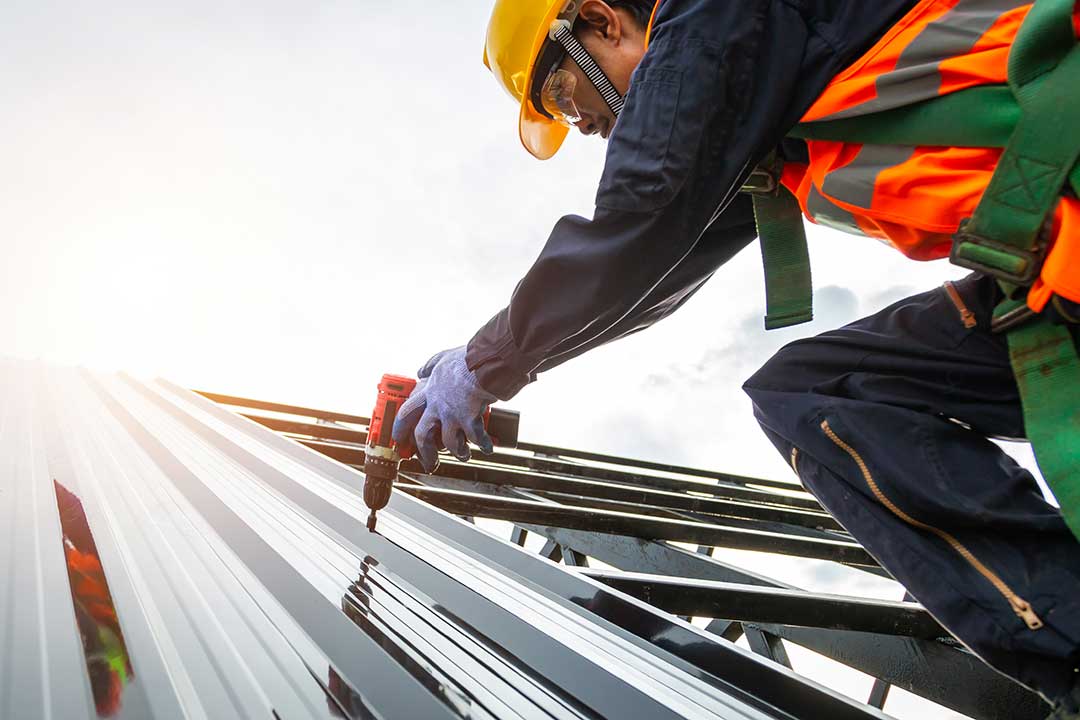
Sealant alone should not be viewed as a permanent substitute for proper flashing. Sealants can age, crack, or lose adhesion as temperatures change. In Greene, repeated freezing and thawing can make weak details more noticeable over time.
After installation, interior attic areas below the array can be checked periodically for staining, damp insulation, or signs of water entry, especially after heavy rain or winter weather.
What permits and code issues apply?
Rooftop solar work generally involves both building and electrical requirements. New York State rules address structural loading, wind resistance, fire classification, roof penetrations, emergency access, and electrical installation.
Local permitting requirements should be confirmed before work begins. In Greene, roofing and solar-related construction may require review through the applicable local code enforcement process. Requirements can vary based on whether the property is in the town or village, the type of structure, and the scope of the work.
Permit questions may include:
- Whether a building permit is required
- Whether an electrical permit or inspection applies
- How roof access and pathways must be maintained
- Whether the proposed system meets fire and structural requirements
- Whether a detached garage or accessory structure is treated differently
- Whether utility approval is needed for grid connection
Permit approval does not replace a roof-condition review. It confirms that the proposed work is being reviewed under applicable rules, not that every existing roof problem has been corrected.
Who handles roof repairs after solar installation?
Responsibility should be clear before installation. The roofing system, solar equipment, electrical wiring, and mounting hardware are related but separate components. Written documentation should identify who is responsible for repairs involving leaks, flashing, damaged shingles, wiring, or panel removal.
Keep records of:
- Roof installation or replacement dates
- Shingle or membrane specifications
- Solar layout drawings
- Mounting locations
- Warranty documents
- Permit and inspection information
- Photographs of covered roof areas before installation
These records can be useful if the roof later needs repair or replacement. They also help avoid unnecessary removal of panels or uncertainty about where attachments are located.
Is ground-mounted solar an alternative?
A ground-mounted system may be worth considering when the roof is shaded, structurally unsuitable, too old, or difficult to access. It avoids roof penetrations and can make inspection easier, but it requires suitable land, stable foundations, electrical routing, and local approval.
Ground-mounted equipment can also be affected by snow accumulation, vegetation, drainage, lawn maintenance, and security. It is not automatically simpler, but it may reduce the long-term interaction between solar equipment and the roof.
For area households, the most useful question is not simply whether solar panels will fit. The better question is whether the roof can support the system safely, shed water reliably, withstand local weather, and remain maintainable for the life of both the roof and the panels.
