
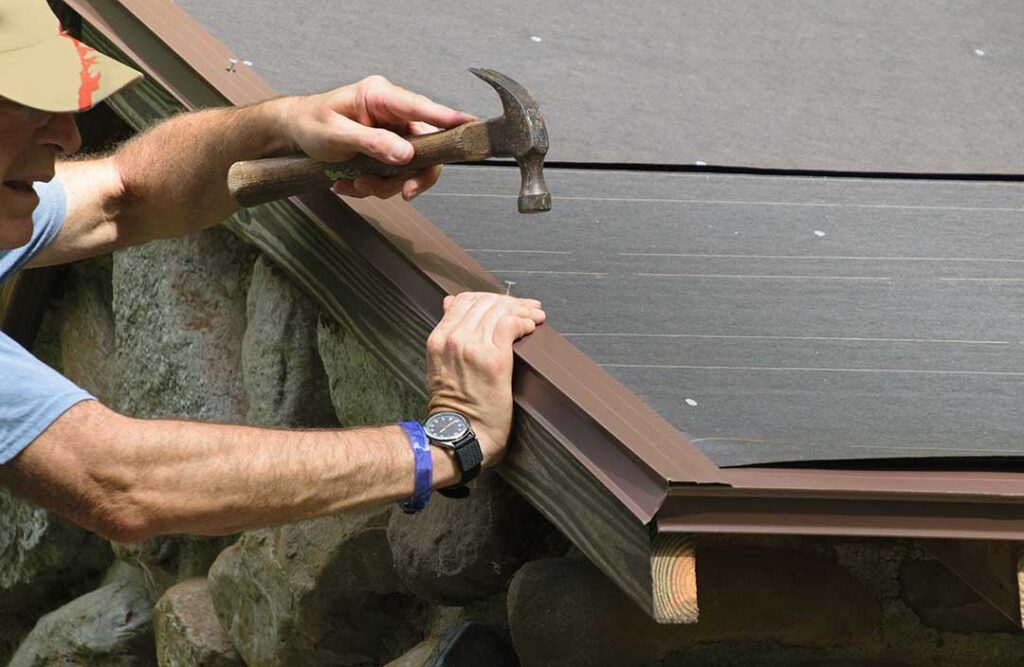
What is the difference between re-roofing and roof replacement?
Re-roofing adds a new layer of shingles over an existing layer. Roof replacement removes the old roofing materials so the roof deck, flashing, underlayment, and other underlying components can be inspected and repaired or replaced as needed.
The two approaches may look similar from the ground, but they address different conditions. Re-roofing is mainly a surface-level update. A full replacement is a more thorough project intended to correct both visible wear and hidden problems.
What does re-roofing involve?
Re-roofing usually means installing a new layer of asphalt shingles directly over existing shingles. The underlying roof remains in place, so the work can be completed with less tear-off and less debris.
A re-roofing project may be considered when:
- The existing roof has only one layer of shingles.
- The roof deck appears sound and does not show sagging, rot, or widespread water damage.
- Shingle wear is mostly cosmetic or limited to surface aging.
- The roof has a simple design with relatively few valleys, dormers, or penetrations.
- Local building requirements and manufacturer instructions allow another layer.
Re-roofing can improve the appearance of a home and provide another period of weather protection. It may also reduce the amount of material sent to a landfill because the original shingles are not removed.
However, re-roofing does not allow a full inspection of the roof deck. Problems beneath the old shingles may remain hidden. New shingles also follow the shape of the existing roof, so uneven areas, soft decking, or poor previous repairs may still be visible or may become more difficult to correct later.
What happens during a full roof replacement?
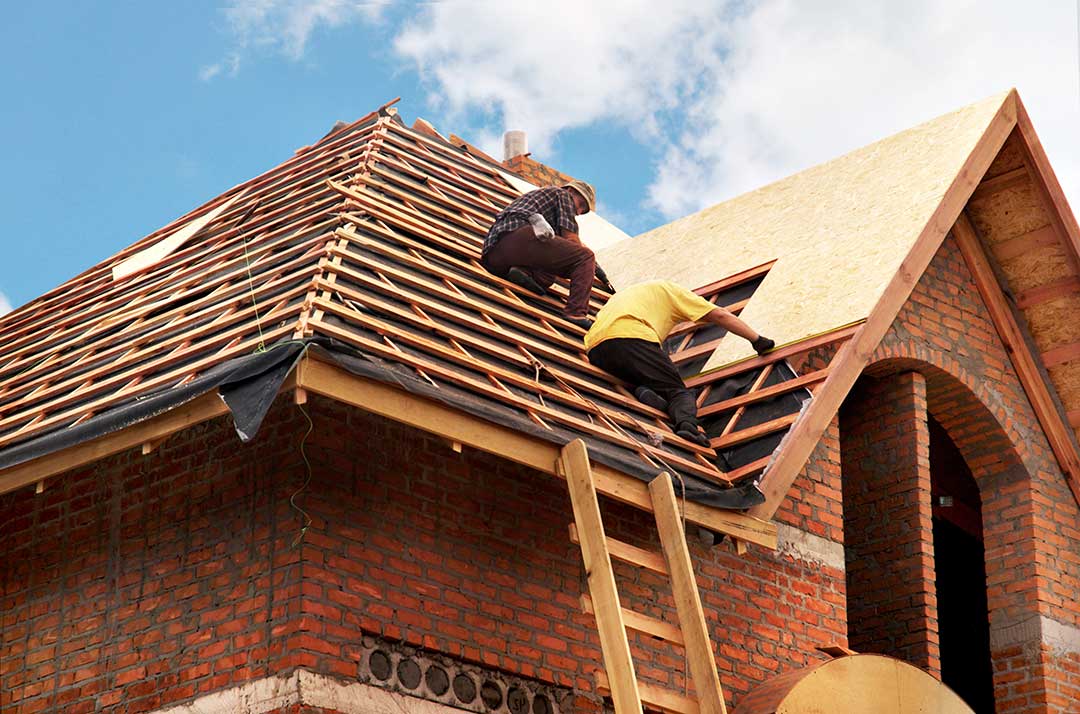
A full roof replacement begins with removing the existing shingles and underlayment. The exposed roof deck can then be checked for deterioration, moisture damage, loose fasteners, or areas that have weakened over time.
Depending on the roof’s condition, the work may include replacing or repairing:
- Damaged roof decking
- Underlayment
- Drip edge
- Valley materials
- Step flashing around walls and chimneys
- Ventilation components
- Pipe flashing
- Ice-dam protection in areas where it is required or appropriate
After the underlying components are addressed, new roofing materials are installed over the prepared surface.
This approach generally costs more and creates more debris than re-roofing, but it provides a clearer view of the roof’s actual condition. It is usually the more complete solution when there are leaks, multiple layers of old shingles, structural concerns, or signs of moisture intrusion.
Is re-roofing allowed on every home?
No. Re-roofing is not automatically permitted or suitable for every roof.
Many building requirements limit the number of shingle layers a roof may have. A roof with two existing layers may require a complete tear-off before new materials are installed. The roof’s slope, condition, construction, and covering type can also affect whether another layer is allowed.
Requirements can change over time, and local permits may apply depending on the scope of work. In Greene, property owners should verify current requirements before beginning a project, especially if the work involves structural repairs, changes to roof geometry, or a home located in an area with additional review requirements.
A roof may also be technically eligible for re-roofing but still be a poor candidate because the existing shingles are badly curled, uneven, brittle, or holding moisture.
Which option is better for homes in Greene, NY?
The right choice depends more on the roof’s condition than on the age of the shingles alone. Seasonal weather in the area can expose weaknesses that are not obvious during a quick visual inspection.
Snow, freezing temperatures, spring rainfall, summer heat, and repeated freeze-thaw cycles can place stress on shingles, flashing, and roof edges. Ice buildup near eaves can also contribute to water backing up beneath shingles when ventilation, insulation, or drainage conditions are not working properly.
Re-roofing may be reasonable for a relatively flat, uniform roof with limited wear and no evidence of moisture damage. A full replacement is more appropriate when the roof shows signs such as:
- Leaks in more than one location
- Water stains on ceilings or upper walls
- Shingles that are missing, cracked, blistered, or extensively curled
- Sagging areas or visibly uneven roof lines
- Soft decking found near eaves, valleys, or roof penetrations
- Mold-like growth or damp insulation in the attic
- Rusted, damaged, or poorly integrated flashing
- Two existing layers of roofing
- Repeated repairs that have not solved the underlying issue
A roof’s age is useful context, but it should not be the only deciding factor. Some roofs deteriorate faster because of poor ventilation, shade, storm exposure, installation defects, or recurring moisture.
Can a new layer hide roof problems?
Yes. Re-roofing can cover visible symptoms without correcting the source of the problem.
For example, a new layer of shingles will not repair rotten decking, a failed plumbing vent boot, defective flashing, inadequate ventilation, or water entering through a roof valley. It may temporarily improve the appearance while allowing concealed damage to continue.
This does not mean re-roofing is always improper. It means the existing roof should be evaluated carefully before another layer is installed. Areas around chimneys, walls, skylights, vents, valleys, and eaves deserve particular attention because they are common locations for water entry.
How do cost and long-term value compare?
Re-roofing generally has a lower initial cost because it involves less tear-off, fewer disposal fees, and less labor. It may be appropriate when the roof is fundamentally sound and the goal is to extend its useful service life without rebuilding the entire roofing system.
Full replacement usually requires a larger initial investment. It can, however, reduce the risk of carrying hidden damage into the next roofing cycle. Removing the old materials also creates an opportunity to correct ventilation, flashing, and decking problems that would otherwise remain difficult to reach.
The least expensive option at the beginning is not always the least expensive over time. If a re-roofed surface later has to be removed to repair damaged decking, the cost and disruption may be greater than completing a proper replacement earlier.
What should a homeowner inspect before deciding?
A careful evaluation should look beyond the shingles visible from the yard. Useful questions include:
- How many layers are already on the roof?
- Are there signs of active or past leaks in the attic?
- Is the roof deck solid and level?
- Are the eaves, valleys, and penetrations properly protected?
- Does attic ventilation appear adequate?
- Have previous repairs addressed causes or only symptoms?
- Are the shingles still flexible enough to support another layer?
- Would another layer affect roof weight, appearance, or future maintenance?
Attic evidence can be especially helpful. Darkened wood, damp insulation, rusted fasteners, peeling paint, or daylight visible through roof boards may indicate a problem that cannot be solved by adding shingles alone.
What is the practical rule of thumb?
Re-roofing is primarily a surface renewal for a roof that is still structurally sound. Full replacement is the more complete option when the existing system is damaged, layered, leaking, uneven, or approaching the end of its serviceable life.
For residents in Greene, the decision should account for winter moisture, snow and ice exposure, ventilation, roof complexity, and the condition of the roof deck—not just the appearance of the shingles. A sound evaluation of the existing roofing system helps prevent a new surface from being installed over problems that still need attention.
