

Roof damage often begins with a small change that is easy to overlook: a dark ceiling mark, a loose shingle, a patch of granules near a downspout, or a room that suddenly feels damp. Finding these signs early can help prevent water intrusion from spreading into insulation, framing, ceilings, and interior walls.
For households in Greene, NY, seasonal weather makes routine observation especially useful. Snow, ice, wind, heavy rain, freeze-thaw cycles, and falling branches can all place stress on roofing materials over time.
What are the earliest visible signs of roof damage?
The first signs are usually changes in roofing materials or evidence of moisture inside the home. Damage may be visible from the ground, in the attic, or on upper-floor ceilings.
Look for:
- Shingles that are cracked, curled, lifted, or missing
- Dark streaks or patches on the roof surface
- Granules collecting in gutters or at the base of downspouts
- Exposed underlayment, flashing, or fasteners
- Damp insulation or a musty attic odor
- Water stains on ceilings or upper walls
- Daylight visible through the roof boards in an attic
- Sagging areas along the roofline
A single issue does not always mean the entire roof has failed. It does mean that water-shedding materials or supporting components may no longer be working as intended.
How can shingles reveal developing problems?
Shingles are designed to shed water in overlapping courses. Damage to one section can allow moisture to reach the layers beneath it, especially during wind-driven rain or melting snow.
Check for shingles with:
- Raised or lifted edges
- Missing corners
- Cracks running through the surface
- Blistered or bubbled areas
- Excessive curling
- Bald patches where the protective granules are gone
- Uneven sections that appear different from nearby shingles
Granule loss is common as roofing materials age, but a sudden increase in granules in the gutters may indicate accelerated wear. Granules protect the shingle from ultraviolet light and weather exposure. When large areas become smooth or visibly worn, the surface may deteriorate more quickly.
Shingle damage is not always easy to see from the ground. Binoculars can help with observation, but climbing onto a roof creates fall and surface-damage risks. A roof should not be walked on when it is wet, icy, snow-covered, steep, or visibly unstable.
What do ceiling stains and wall marks mean?
A brown, yellow, gray, or rust-colored mark on a ceiling or upper wall often indicates past or current moisture entry. The source may not be directly above the stain because water can travel along roof decking, rafters, insulation, or framing before appearing indoors.
Pay attention to stains that:
- Grow after rain
- Reappear after snow melts
- Develop near chimneys, roof valleys, skylights, or roof penetrations
- Feel soft or swollen
- Have peeling paint or bubbling drywall around them
- Are accompanied by a musty smell
A dry stain does not necessarily mean the problem is resolved. It may reflect an intermittent leak that only appears during certain wind directions, rainfall amounts, or melting conditions.
Electrical fixtures near a water stain require extra caution. Water and electrical components can create a serious hazard, so the affected area should not be disturbed unnecessarily.
Why should attic conditions be checked?
The attic can reveal roof problems before they become obvious in living spaces. On a dry day, look from a safe location for damp insulation, darkened wood, mold-like spotting, rusted fasteners, or narrow trails of water along rafters and roof decking.
Light visible through the roof deck is another warning sign, except where a designed vent or opening is present. Small points of daylight around penetrations may indicate gaps, damaged flashing, or displaced materials.
Condensation can sometimes resemble a roof leak. Poor attic ventilation, warm moist air entering from the living area, or inadequate insulation may create moisture on the underside of the roof deck. The timing can provide a clue:
- Roof leaks often become worse during rain or melting snow.
- Condensation may appear during cold weather even without precipitation.
- Both conditions can damage wood and insulation if they continue.
Because attics may contain exposed nails, tight spaces, dusty insulation, and limited footing, inspection should be done only from a stable, safe position.
Which roof areas are most likely to develop leaks?
Certain locations deserve closer observation because they involve joints, changes in roof direction, or openings through the roofing system.
Common trouble spots include:
- Valleys where two roof slopes meet
- Flashing around chimneys and vent pipes
- Areas near skylights or other roof penetrations
- Eaves and edges where ice can accumulate
- Sections beneath overhanging tree limbs
- Places where different roofing materials meet
- Roof areas affected by fallen branches or wind-lifted debris
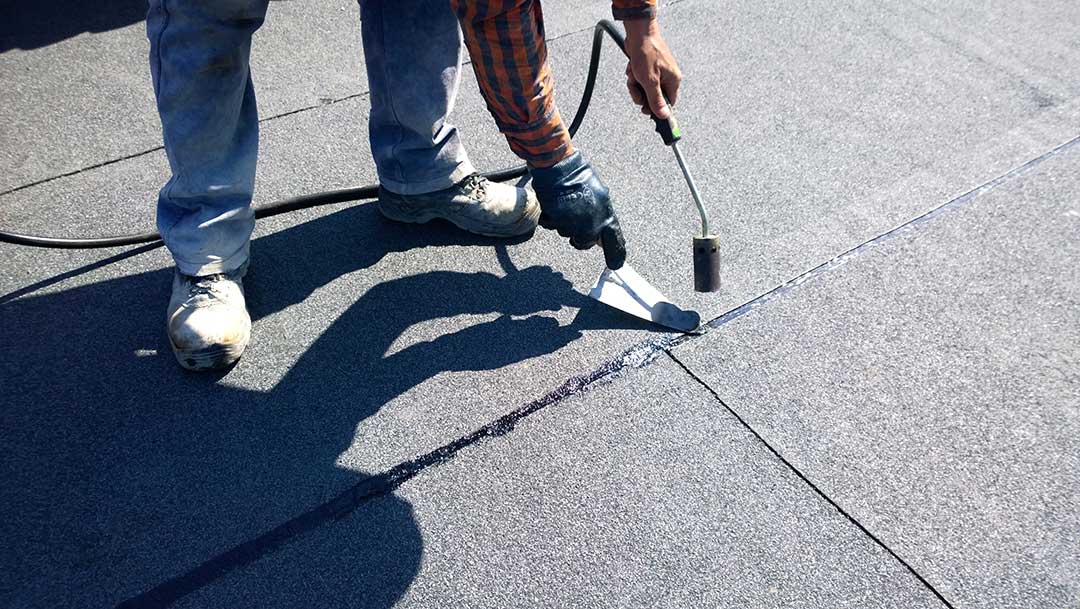
Flashing is especially important because it directs water away from seams and penetrations. Bent, separated, corroded, or missing flashing can allow water behind otherwise intact shingles.
A roof valley may also collect leaves, pine needles, and ice. Debris that remains in these areas can slow drainage and keep materials wet for extended periods.
Can gutters and downspouts show roof damage?
Yes. Gutters often provide useful evidence about the condition of the roof and drainage system.
Watch for:
- Unusually large amounts of shingle granules
- Water spilling over the front edge during ordinary rain
- Gutter sections pulling away from the fascia
- Downspouts that discharge water near the foundation
- Persistent clogs caused by roofing debris
- Rust holes or open seams
- Icicles or thick ice buildup during winter
Clogged or poorly draining gutters do not automatically prove roof damage, but they can increase moisture exposure along roof edges and exterior walls. In Greene, NY, repeated freezing and thawing can make small drainage problems more consequential by expanding trapped water and stressing seams.
How do weather events affect roof condition?
Strong wind can lift shingle edges, loosen flashing, and move branches onto the roof. Heavy snow adds weight, while ice dams can force meltwater beneath roofing materials near the eaves. Freeze-thaw cycles may enlarge existing cracks in flashing, masonry, or sealants.
After severe weather, inspect the property from the ground for:
- Missing or displaced shingles
- Broken branches resting on the roof
- New debris in gutters
- Bent metal flashing
- Sagging roof sections
- Interior stains that appear within the following days
Do not approach downed power lines or unstable trees. Roof inspections are also unsafe during active storms, icy conditions, or high winds.
When is roof damage urgent?
Some signs call for prompt attention because continued water entry or structural movement can worsen quickly:
- A visibly sagging roof deck or roofline
- Active dripping or flowing water indoors
- A large ceiling bulge
- Extensive missing roofing material
- Water near electrical equipment
- A damaged area opened by a fallen tree
- Major ice buildup associated with interior leaking
- Strong musty odors combined with wet insulation
Temporary measures may reduce additional water entry, but they should not involve climbing onto a dangerous roof or using makeshift materials near electrical systems. Safety takes priority over documenting every detail.
Regular ground-level observation, attic checks when conditions are safe, and attention to interior changes can help residents identify developing problems before minor roof wear becomes widespread water damage.
