
What should be done immediately after roof damage?
After a major leak, fallen branch, wind event, or suspected structural failure, the first priorities are personal safety, limiting interior damage, and documenting what happened. Do not climb onto the roof during rain, snow, strong wind, darkness, or any situation involving unstable surfaces or electrical hazards.
For households in Greene, NY, emergency roof problems may follow heavy rain, winter ice, wet snow, freeze-thaw cycles, or summer thunderstorms. A roof that appears intact from the ground can still have damaged flashing, loosened shingles, punctures, or water trapped beneath the roofing materials.
Start with these steps:
- Move people and pets away from areas showing signs of sagging, dripping water, falling ceiling material, or exposed wiring.
- Place buckets or containers beneath active leaks, but avoid standing under a visibly bulging ceiling.
- Move furniture, electronics, rugs, and other valuables away from the affected area.
- Use towels or plastic sheeting to limit water spread on floors and furnishings.
- If water is near light fixtures, outlets, switches, or electrical equipment, leave the area and have the electrical hazard handled safely.
- Take photographs and notes before making temporary changes, if doing so does not create a safety risk.
A ceiling stain does not always show the exact location of the roof opening. Water can travel along rafters, insulation, attic flooring, and framing before appearing indoors.
Is it safe to inspect the roof after a storm?
A roof inspection from the ground is usually safer than climbing onto the roof. Look for missing or displaced shingles, visible holes, damaged ridge caps, bent metal flashing, fallen branches, loose gutters, and sections that appear uneven or sunken.
Do not walk on a roof that is wet, icy, snow-covered, steep, visibly damaged, or covered with debris. Shingles can become slippery, and damaged decking may not support a person. Even a small roof opening can be surrounded by weakened materials.
If a storm has brought down a tree or large limb, stay clear until the entire situation is assessed. A branch may be resting on electrical lines, pulling on roof framing, or hiding unstable sections. Removing it without the right equipment can make the damage worse.
How can a leak be temporarily controlled?
Temporary protection is meant to reduce additional water entry until permanent repairs are possible. It is not a substitute for repairing the roof assembly.
If conditions are calm and the roof can be reached without climbing onto a hazardous surface, a heavy waterproof covering may help protect an exposed area. The covering must extend beyond the damaged section and be secured in a way that does not create new holes or loose material. Improvised coverings can become dangerous in wind, particularly around roof edges and utility lines.
Inside the attic or upper floor, avoid cutting into a wet ceiling unless there is an immediate need to relieve a dangerous water pocket and the area is confirmed safe. Ceiling material can fall unexpectedly. Wet insulation should not be handled casually, especially if it has been contaminated by dirty water, pests, or damaged building materials.
Do not use roofing cement, expanding foam, tar, or household tape as a permanent solution. These materials may conceal damage, trap moisture, or interfere with later repairs.
What information should be documented?
Good documentation helps explain the extent and timing of the damage. Photograph the roof from the ground, damaged exterior materials, interior stains, wet insulation, fallen branches, and affected belongings.
Also record:
- The date and approximate time the damage was first noticed
- Weather conditions, such as strong wind, heavy rain, hail, or snow
- Whether the leak is active or has stopped
- Rooms and materials affected inside the home
- Any temporary steps taken to control water
- Signs of sagging, cracking, mold-like odors, or damaged electrical components
Keep damaged shingles, flashing, or other pieces if they can be removed safely. Do not discard major damaged items before documenting them, particularly if an insurance claim may be considered.
Should an emergency roof repair be reported to insurance?
Insurance questions depend on the policy, the cause of damage, exclusions, deductibles, and the condition of the roof before the event. A sudden event such as wind damage or a fallen tree may be treated differently from gradual deterioration, repeated leaks, or neglected maintenance.
Review the policy and report potential covered damage promptly if required. Documentation should be factual rather than speculative. Describe what was observed, when it was discovered, and what temporary measures were taken.
Preventing further damage is generally a reasonable priority, but keep receipts for emergency materials, water removal, or temporary protection. Before authorizing extensive permanent work, confirm what documentation or inspection requirements apply under the policy.
When does a roof emergency require immediate help?
Some conditions should not wait because they involve a risk of collapse, electrical injury, or rapid water damage. Immediate assistance is warranted when:
- The ceiling is sagging significantly or has begun to crack
- Water is entering near electrical fixtures or wiring
- A large tree or limb is resting on the roof
- Roof framing, decking, or rafters are visible
- A large section of roofing has been removed
- The home has sustained fire, impact, or structural damage
- Strong odors, visible mold growth, or contaminated water are present
- The roof cannot be reached safely for temporary protection
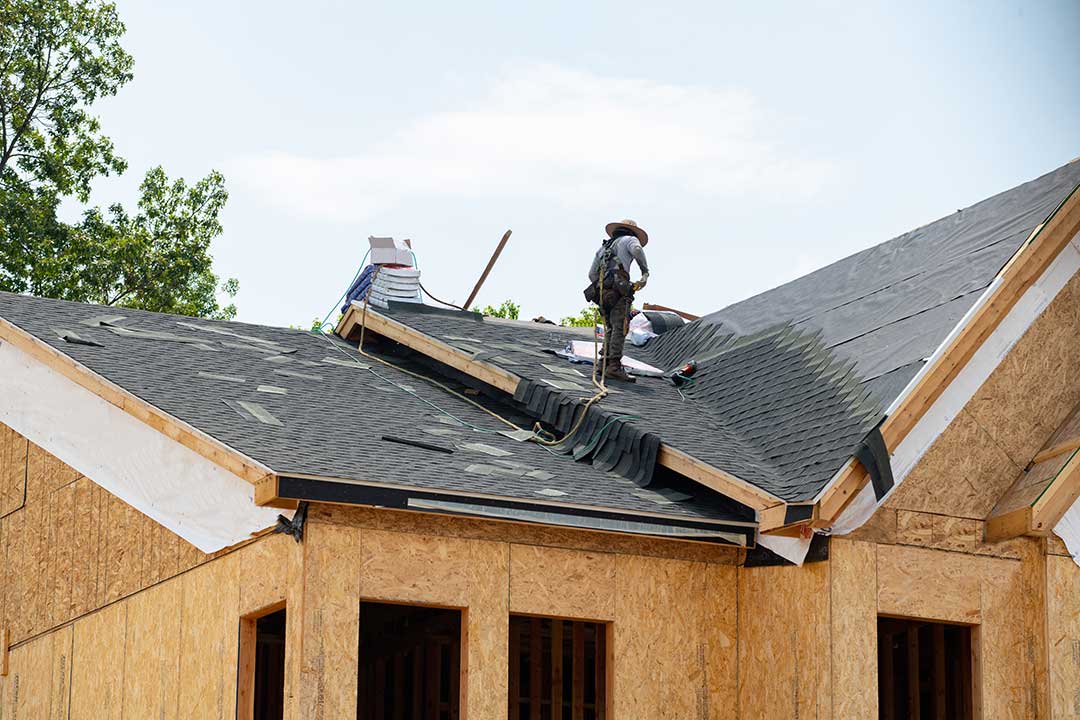
Roof work may require fall protection, ladders, specialized tools, and knowledge of how roofing, flashing, ventilation, and structural components interact. Hazardous conditions should be evaluated by a qualified roofing or building professional rather than handled by an unprotected homeowner.
What emergency roof problems are common during local seasonal changes?
Freeze-thaw weather can loosen roofing materials and widen small cracks in flashing or masonry. Ice buildup may block drainage paths and allow water to move beneath roofing edges. Heavy wet snow can add substantial weight, especially where previous damage has weakened the roof structure.
Summer thunderstorms can produce wind-lifted shingles, punctures from branches, damaged vents, and clogged drainage systems. Autumn debris can collect in valleys and gutters, while spring rain may reveal problems that developed during winter.
Preventive checks before the cold season can reduce emergency risk. Clear roof drainage areas from a safe location, trim branches that threaten the roof, check attic ventilation, and look for missing or deteriorated materials from the ground. Do not seal over unexplained stains without finding the source of the moisture.
How can homeowners avoid making the damage worse?
The most common mistake is treating an emergency as a minor cosmetic issue. Painting over a ceiling stain, replacing only visible shingles, or covering a leak without checking the attic may leave wet insulation, damaged decking, or hidden structural problems in place.
Avoid these actions:
- Walking on damaged or icy roofing
- Using a pressure washer on shingles
- Nailing temporary materials through an unknown roof area
- Blocking attic ventilation with plastic or insulation
- Removing storm debris while utility hazards remain
- Assuming a leak has ended because dripping stopped
- Delaying action because the stain appears small
A careful response keeps people safe, limits water movement, preserves useful records, and allows the underlying damage to be evaluated accurately. For area households, that approach is especially useful during periods of rapidly changing weather, when a temporary roof problem can become a larger interior or structural issue within hours.
