
Roofing durability is not determined by material alone. The roof’s slope, installation quality, ventilation, flashing, structural capacity, maintenance, and exposure to weather all affect how long it performs. For homes in Greene, NY, the most durable choices are generally natural slate, standing-seam metal, clay or concrete tile, and high-quality synthetic slate or composite roofing.
Each material has advantages and limitations. The longest-lasting option is not automatically the most suitable for every house.
Which roofing materials last the longest?
Natural slate typically has the longest potential service life, often lasting 75 years or more when the slate, fasteners, roof structure, and installation are all appropriate. Standing-seam metal roofs commonly last 40 to 70 years, depending on the metal, coating, detailing, and maintenance. Clay and concrete tile can also last several decades, while composite roofing products vary widely by design and manufacturer.
Approximate service-life ranges are useful for comparison, but they should not be treated as guarantees:
- Natural slate: 75 to more than 100 years in favorable conditions
- Standing-seam metal: about 40 to 70 years
- Clay tile: about 50 to 100 years
- Concrete tile: about 40 to 75 years
- Synthetic slate or composite roofing: about 30 to 60 years
- Architectural asphalt shingles: about 20 to 35 years
A roof can fail earlier if water is allowed behind the covering, attic moisture is not controlled, or snow and ice repeatedly damage vulnerable areas.
Is natural slate the most durable roofing material?
Natural slate is often considered the most durable residential roofing material. It resists fire, insects, rot, and many forms of weathering. Properly selected slate can remain functional for generations.
Its main limitation is weight. A slate roof may be substantially heavier than asphalt shingles or many metal systems. The roof framing must be capable of supporting that load, especially on older homes. Slate can also crack if walked on carelessly, struck by falling branches, or exposed to improper fastening.
Repairs require compatible replacement pieces and specialized knowledge. The visible slate may remain in good condition while the nails, flashing, or underlying wood components need attention. For that reason, slate durability depends on the entire roof assembly rather than the stone alone.
How durable is a metal roof in a snowy climate?
Metal roofing is one of the most practical long-life choices for homes exposed to snow, ice, wind, and changing temperatures. Standing-seam panels have concealed fasteners and raised seams that reduce the number of exposed penetration points. Smooth surfaces can also shed snow more readily than rough-textured roofing, although snow guards may be needed above entrances, walkways, or lower roof sections.
A metal roof is not maintenance-free. Expansion and contraction, fastener movement, coating damage, poor flashing, and incompatible metals can create problems over time. Valleys, chimneys, sidewalls, and roof edges deserve particular attention because they manage much of the water.
Metal roofs can also be noisy during heavy rain if the attic and roof assembly are poorly insulated. With suitable underlayment, insulation, and ventilation, sound is usually less noticeable.
For many area households, metal offers a balance of long service life, relatively low weight, and good resistance to winter weather.
Are clay and concrete tiles durable in Greene, NY?
Clay and concrete tiles can be extremely long-lasting. They resist fire, insects, and decay, and their color may remain stable for many years. Clay tile generally has a longer history of proven durability, while concrete tile is often more accessible in a range of shapes and colors.
The principal concern in a cold-weather region is freeze-thaw exposure. Water that enters small imperfections and freezes can create cracking or surface deterioration. Proper tile selection, drainage, underlayment, flashing, and installation are essential.
Tile is also heavy. Some homes require structural reinforcement before tile can be installed. Individual tiles may break if branches fall or if someone walks on the roof incorrectly. A durable tile system therefore needs both a suitable structure and a maintenance plan for damaged pieces and aging underlayment.
What about synthetic slate and composite roofing?
Synthetic slate and composite roofing products are designed to resemble slate while reducing weight and installation complexity. Many are made from polymer blends, recycled materials, or engineered composites. Their performance varies considerably, so the product’s testing, fastening requirements, temperature range, impact resistance, and warranty terms matter more than appearance alone.
These materials may be useful where a home cannot support natural slate but the owner wants a longer-lasting alternative to standard asphalt shingles. However, “synthetic slate” is not a single uniform category. Some products are designed for several decades of service, while others are better viewed as mid-life roofing.
The most relevant questions include whether the product has documented resistance to hail and impact, how it performs in cold temperatures, whether replacement pieces will remain available, and how it must be installed around valleys and roof penetrations.
Are asphalt shingles durable enough for local homes?
Modern architectural asphalt shingles can provide dependable performance at a lower weight and usually at a lower initial cost than slate, tile, or metal. Higher-quality shingles often include stronger fiberglass reinforcement, improved wind resistance, and better protection against algae or weathering.
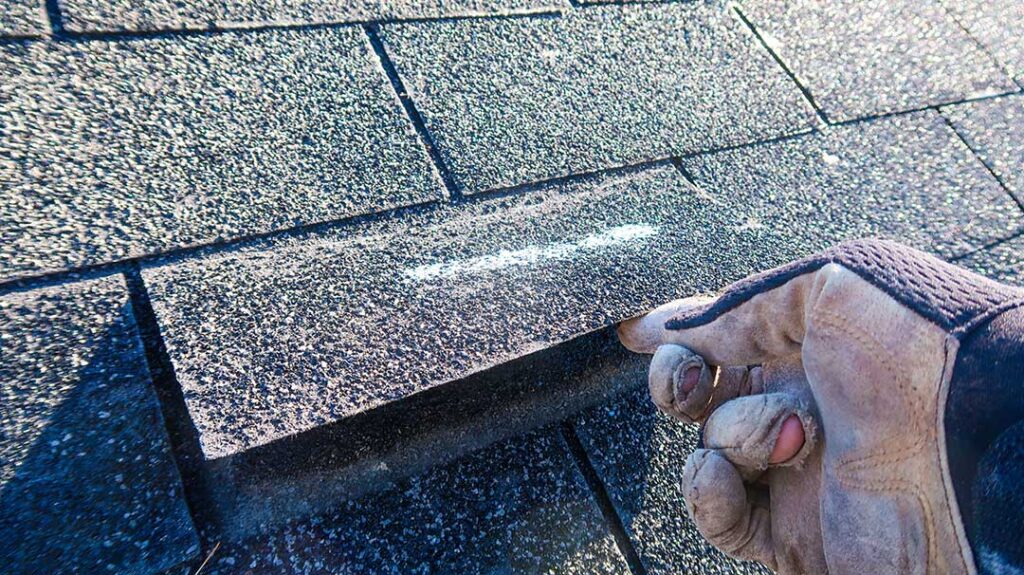
Their service life is shorter than slate, tile, and many metal systems. Dark shingles can also experience greater heat exposure, while poor attic ventilation can accelerate aging. Wind damage, granule loss, curled edges, and weakened seal strips are common signs that the roof is approaching replacement.
Asphalt shingles remain a reasonable choice when the roof structure, budget, appearance, and expected ownership period favor a lighter system. Durability should be judged against the whole project rather than by lifespan alone.
Which material handles ice and snow best?
No roofing material eliminates ice dams. Ice dams usually result from heat escaping into the attic, uneven roof temperatures, inadequate insulation, air leakage, or limited ventilation. A highly durable roof can still suffer water damage if the building envelope allows snow to melt and refreeze at the eaves.
In Greene, NY, roof planning should account for snow accumulation, freeze-thaw cycles, wind-driven precipitation, and shaded roof sections that may remain icy longer. Useful design considerations include:
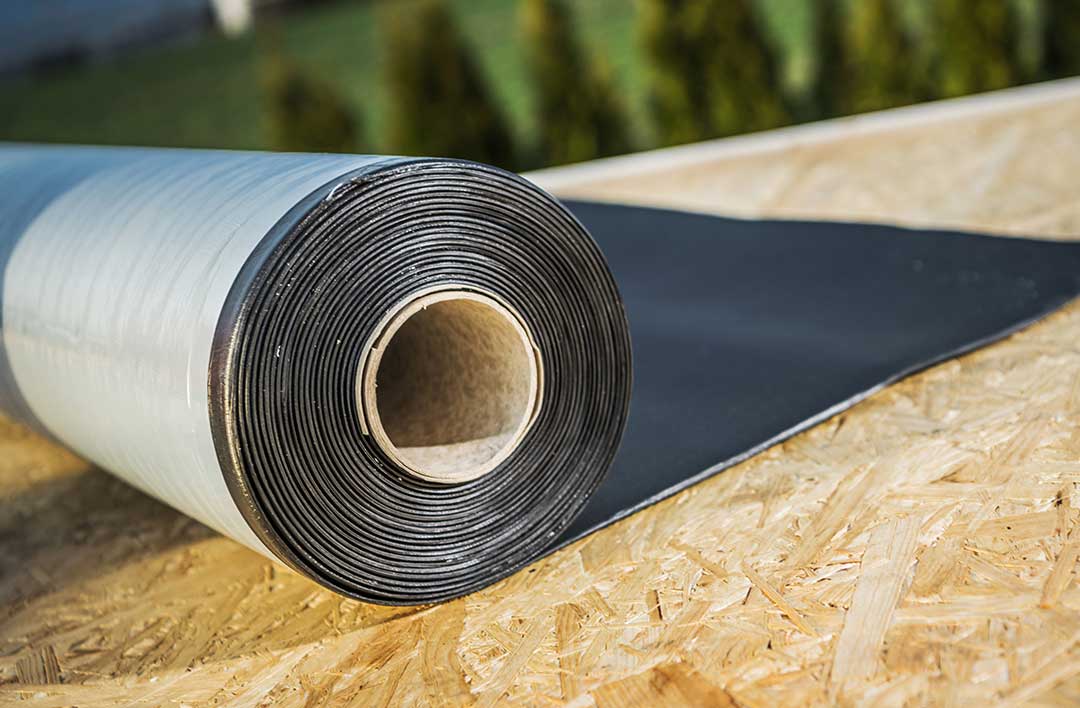
- A properly sized and installed underlayment at vulnerable eaves and valleys
- Reliable flashing around chimneys, skylights, walls, and plumbing vents
- Adequate attic insulation and balanced ventilation
- Strong roof-to-wall and roof-edge connections
- Snow guards where sliding snow could create a safety hazard
- Regular removal of leaves and debris from drainage paths
These details often influence real-world durability more than a small difference in material rating.
What should be checked before choosing a long-life roof?
A durable material may be unsuitable if the existing structure, roof pitch, drainage, or local requirements do not support it. Before making a decision, evaluate:
- Whether the framing can carry slate, tile, or other heavy coverings
- Whether the roof slope is appropriate for the material
- The condition of the roof deck, fascia, soffits, and flashing
- How the attic handles moisture and heat
- The availability of compatible repair materials
- How easily individual sections can be inspected and repaired
- Whether permits or code requirements apply to the work
New York’s residential building requirements address roof coverings, underlayment, flashing, structural considerations, and installation methods. Roofing permits are also required in Greene, NY, according to local code-enforcement information. Requirements can change, so property owners should verify the rules that apply before work begins.
The most durable roof is the one that matches the building and its environment. Natural slate and tile may offer the longest potential life, metal often provides a strong combination of longevity and lighter weight, and quality asphalt or composite products can deliver practical durability when installed and maintained correctly.
