
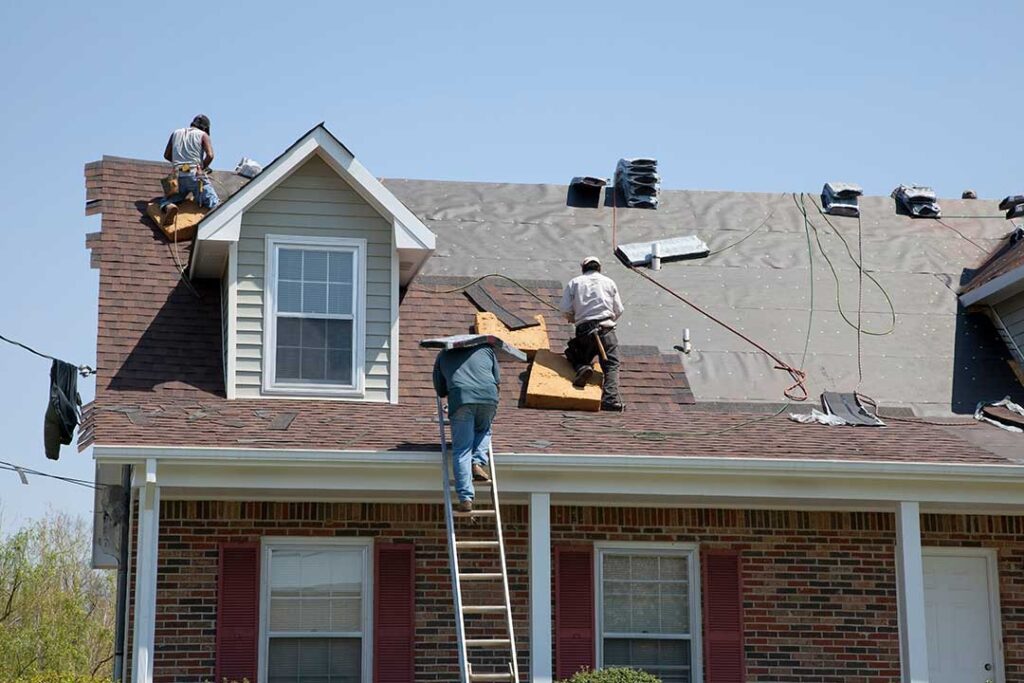
A roof affects far more than protection from rain and snow. Its insulation, air sealing, ventilation, surface temperature, and condition all influence how much energy a home uses throughout the year.
For households in Greene, NY, roof-related energy efficiency matters especially during long heating seasons, freezing temperatures, snow events, summer humidity, and rapid changes between warm and cold weather. A well-designed roof assembly can improve comfort and help control heating and cooling demand, but the most effective improvements depend on the home’s construction and the condition of the attic.
How does a roof affect energy efficiency?
A roof affects energy use by controlling heat transfer between the living space and the outdoors. In winter, heat naturally moves upward toward the colder roof and attic. In summer, sunlight can heat the roof surface and attic, increasing the temperature of rooms below.
The main energy-related parts of a roof system are:
- Insulation, which slows heat movement
- Air sealing, which limits drafts and uncontrolled air leakage
- Ventilation, which helps manage moisture and attic temperatures
- Roof color and surface materials, which affect solar heat gain
- Flashing and roof drainage, which help prevent moisture damage that can reduce insulation performance
A roof covering by itself usually does not provide significant insulation. Energy performance comes from the complete roof assembly, including the roof deck, insulation, air barrier, vapor control layers, attic space, and ventilation strategy.
Is attic insulation more important than the roofing material?
For most homes in this region, attic insulation and air sealing usually have a greater effect on heating efficiency than the choice of shingle color or roof covering.
If the attic floor has thin, uneven, compressed, or missing insulation, heated indoor air can escape through ceiling penetrations and the roof can lose heat quickly. Common leakage points include:
- Attic hatches
- Recessed light fixtures
- Plumbing and electrical penetrations
- Gaps around chimneys and flues
- Ductwork and mechanical equipment
- Open wall cavities beneath sloped roof sections
Adding insulation without addressing major air leaks can leave an important part of the problem unresolved. Air sealing should be planned carefully, especially around combustion equipment, recessed lighting, and areas where moisture could become trapped.
In a vented attic, insulation generally belongs at the attic floor rather than blocking the air channel beneath the roof deck. Baffles or chutes may be needed at the eaves so outside air can move from the soffits toward the upper vents.
Why does roof ventilation matter in Greene?
Roof ventilation helps remove heat and moisture from attic spaces. In cold weather, warm indoor air that reaches the attic can condense on colder roof surfaces. Over time, this can contribute to damp insulation, wood deterioration, mold growth, and weakened roof components.
In summer, ventilation can reduce heat buildup in the attic, although it is not a substitute for adequate insulation and air sealing.
A balanced system typically uses low intake ventilation near the eaves and high exhaust ventilation near the ridge or upper roof area. The exact arrangement depends on the roof shape and attic design. A home with little or no soffit space may require a different approach.
More ventilation is not automatically better. Exhaust vents without sufficient intake air can draw air from unintended locations, including the living space. Adding vents without considering the entire airflow pattern may also create pathways for wind-driven snow or rain.
Do darker roofs make a home hotter?
Dark roof surfaces generally absorb more solar energy than lighter or more reflective surfaces. This can raise roof and attic temperatures during sunny summer weather.
However, roof color is only one factor. The effect on indoor comfort depends on insulation levels, attic ventilation, ceiling construction, roof slope, shade from trees, window exposure, and the efficiency of the cooling system.
Reflective or “cool” roofing can reduce heat gain, but the energy benefit is usually more noticeable in hot, sunny climates and in buildings with limited roof insulation. In a heating-dominated climate, reducing summer heat may be useful, but it should not be treated as a replacement for proper insulation, moisture control, or winter air sealing.
Can roof problems increase heating and cooling costs?
Yes. Several roof-related conditions can raise energy use indirectly or directly.
Wet insulation loses much of its effectiveness. Roof leaks, ice damming, and condensation can introduce moisture into insulation and framing. Even after the original leak is repaired, damp materials may remain compressed or damaged.
Poor air sealing can create drafts and make rooms near the ceiling feel colder in winter. During summer, heat moving through an underinsulated attic can make upper floors uncomfortable and cause cooling equipment to run longer.
Roof deterioration can also affect energy performance when damaged flashing, missing shingles, or failed seals allow water into the assembly. A roof does not have to be visibly leaking indoors for moisture to be affecting its materials.
What are ice dams, and do they relate to energy efficiency?
Ice dams form when heat escaping from the home warms portions of the roof, while colder roof edges remain below freezing. Snow melts higher on the roof, flows toward the eaves, and refreezes near the colder edge.
Ice dams are not caused simply by heavy snow or by a particular roofing material. They often indicate uneven roof temperatures, insufficient attic insulation, air leakage, inadequate ventilation, or a combination of these conditions.
Preventive measures may include:
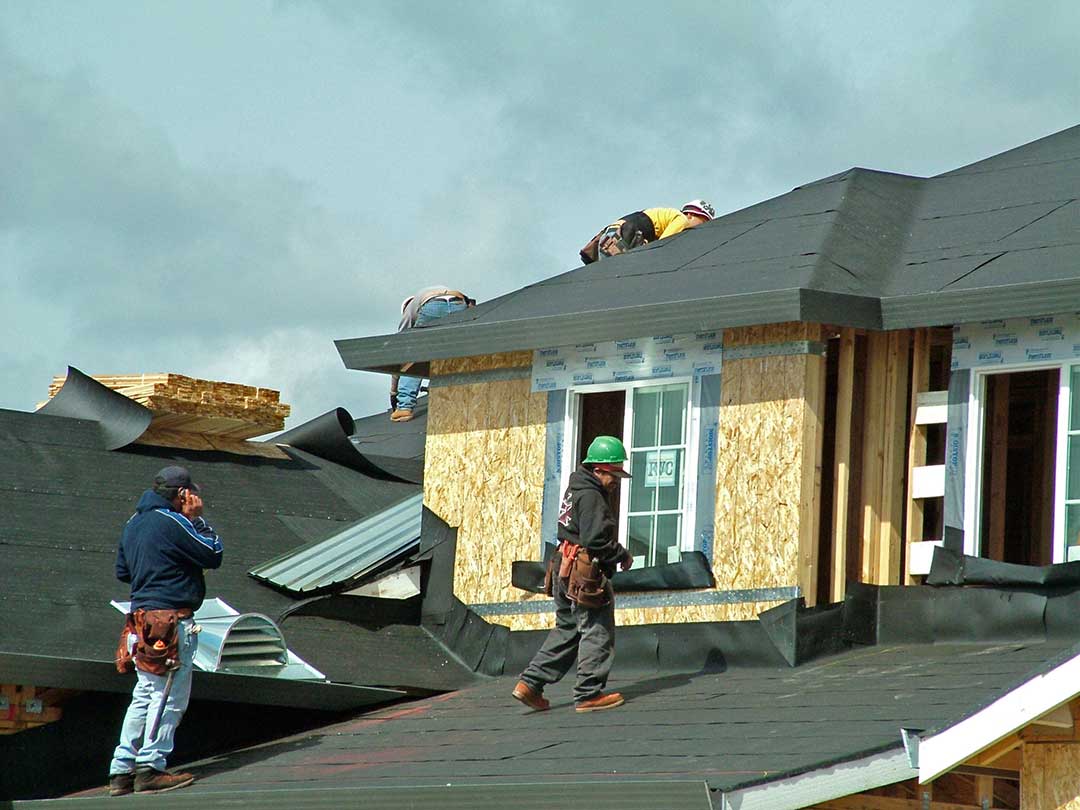
- Sealing air leaks between the home and attic
- Improving insulation coverage
- Maintaining clear ventilation channels
- Keeping gutters and drainage paths free of obstructions
- Addressing areas where warm air bypasses the ceiling
Removing snow from a roof can involve fall, electrical, and structural hazards. Improvised methods can damage roof coverings and flashing.
Should insulation be installed under the roof deck?
Sometimes, but not in every home. Insulating at the roof deck creates a conditioned attic or semi-conditioned roof assembly. This approach may be useful when ductwork, heating equipment, storage areas, or finished rooms occupy the attic.
It also changes how moisture and ventilation must be managed. A roof-deck insulation system must be designed as a complete assembly, with appropriate air control, vapor control, insulation placement, and roof ventilation decisions.
For a conventional unfinished attic, insulating and air-sealing the attic floor is often simpler and more economical than insulating the roof slopes. The right choice depends on the roof design, available clearance, existing moisture conditions, and how the attic is used.
What should homeowners inspect before improving roof efficiency?
A basic inspection can identify clues that deserve closer attention:
- Uneven insulation depth in the attic
- Dark staining or frost on roof sheathing
- Damp or compressed insulation
- Daylight visible around attic penetrations
- Rusted fasteners or damp framing
- Ice buildup along eaves during winter
- Rooms that are consistently colder or hotter than others
- Roof vents that are blocked, damaged, or poorly balanced
Safety matters. Attics may contain exposed wiring, fragile ceiling materials, sharp fasteners, limited walking surfaces, and inadequate ventilation. Roof surfaces are particularly hazardous during snow, ice, rain, and high winds.
New construction and major renovations must also follow applicable New York State building and energy-code requirements. Those rules address insulation, roof assemblies, ventilation, air leakage, and related building-envelope details.
Which roof improvements usually provide the greatest benefit?
The most useful sequence is often to identify moisture problems first, seal major air leaks, improve insulation coverage, and then evaluate ventilation and roof-surface choices as part of the complete system.
A new roof covering can protect the structure, but it will not automatically make a home energy efficient. In many older homes, the largest gains come from correcting attic-level air leakage, restoring dry and continuous insulation, and preventing heat from escaping into the roof space during the heating season.
