
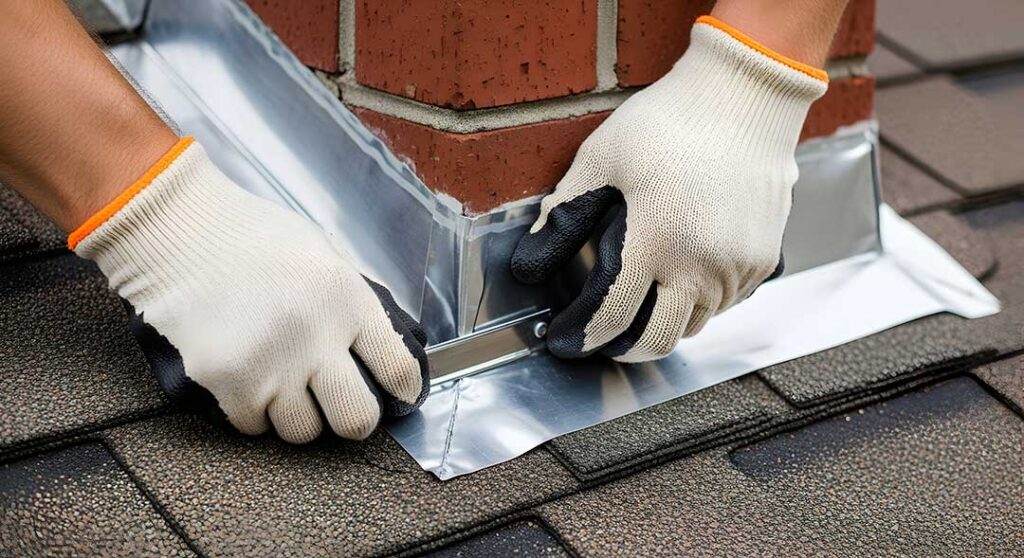
What should a homeowner do first if the roof is damaged during a crisis?
Start by protecting people, limiting additional damage, and determining whether the problem is urgent. A roof leak, fallen tree, large missing section of shingles, or exposed electrical wiring may require immediate attention even when public health restrictions, severe weather, supply shortages, or transportation problems are affecting normal services.
Keep people away from areas where water is entering, ceilings are sagging, shingles are falling, or debris is unstable. If water is near light fixtures, outlets, appliances, or electrical panels, avoid touching the area and shut off power only if it can be done safely. Otherwise, leave the area and seek emergency assistance.
From inside the home, place containers under active drips and move furniture or belongings away from the leak. Do not climb onto the roof during rain, snow, high winds, darkness, or icy conditions. Temporary indoor steps can reduce damage while a permanent repair is arranged.
Which roof problems need immediate attention?
A repair is generally urgent when the roof is allowing significant water into the home or when structural or electrical hazards are present. Examples include:
- A large opening caused by wind, a fallen branch, or a fallen tree
- Water entering around a chimney, vent, skylight, or roof edge
- A ceiling that is sagging or showing signs of collapse
- Exposed decking, torn underlayment, or missing sections of roofing
- Damage near electrical wiring, light fixtures, or attic equipment
- Ice, snow, or debris creating a risk of falling onto people or property
- A roof section that appears to be shifting or separating
A few missing shingles may not create an immediate emergency if the roof deck remains dry and there is no active leak. Even so, storm damage can worsen quickly, especially during periods of wind-driven rain, freeze-thaw cycles, or heavy snow.
In Greene, NY, seasonal conditions can complicate repairs. Winter temperatures, spring rain, summer thunderstorms, and autumn debris may each expose different weaknesses. A small opening that appears manageable during dry weather can become a much larger moisture problem after the next storm.
Can roof repairs be handled safely during COVID-19?
Yes, many exterior roof repairs can be organized with limited person-to-person contact. The main goal is to keep communication, access, and payment procedures as physically separated as practical while maintaining normal safety requirements for roof work.
Before any visit, explain whether anyone in the household is sick, recently exposed to a respiratory illness, immunocompromised, or especially vulnerable to infection. This information allows safer planning without requiring unnecessary indoor contact.
Useful precautions may include:
- Discussing the problem by phone or video before anyone visits
- Sharing photographs of the damage from ground level
- Keeping household members indoors while roof work is underway
- Using outdoor or electronic communication rather than entering the home
- Keeping doors and windows closed when work creates dust or debris
- Wearing a well-fitting mask during necessary close interaction
- Improving indoor ventilation when visitors must enter
- Cleaning frequently touched surfaces after an indoor visit
- Postponing nonessential indoor meetings if anyone has respiratory symptoms
A mask is an added layer of protection, not a substitute for staying home when sick or avoiding unnecessary close contact. People at higher risk of severe respiratory illness may reasonably choose stronger precautions, particularly when illness levels are elevated in the community.
What information should be shared before someone examines the roof?
Clear information can reduce delays and unnecessary exposure. Describe the location of the leak, when it began, whether it changes during rain or snow, and whether any ceiling, wall, or electrical damage is visible.
Photographs can help, but they should be taken safely from the ground or from inside the attic only if the space is stable and accessible. Do not climb onto the roof to take pictures. Include wide views showing the general roof area and closer images of water stains, missing shingles, fallen branches, or damaged flashing.
Also mention:
- Whether the damage followed wind, hail, heavy rain, snow, or a fallen tree
- Whether water is still entering
- Whether the home has a flat, low-slope, or steep roof section
- Whether the attic contains wet insulation or visible mold-like growth
- Whether anyone in the household has respiratory symptoms
- Whether access to the property may be limited by snow, ice, flooding, or blocked roads
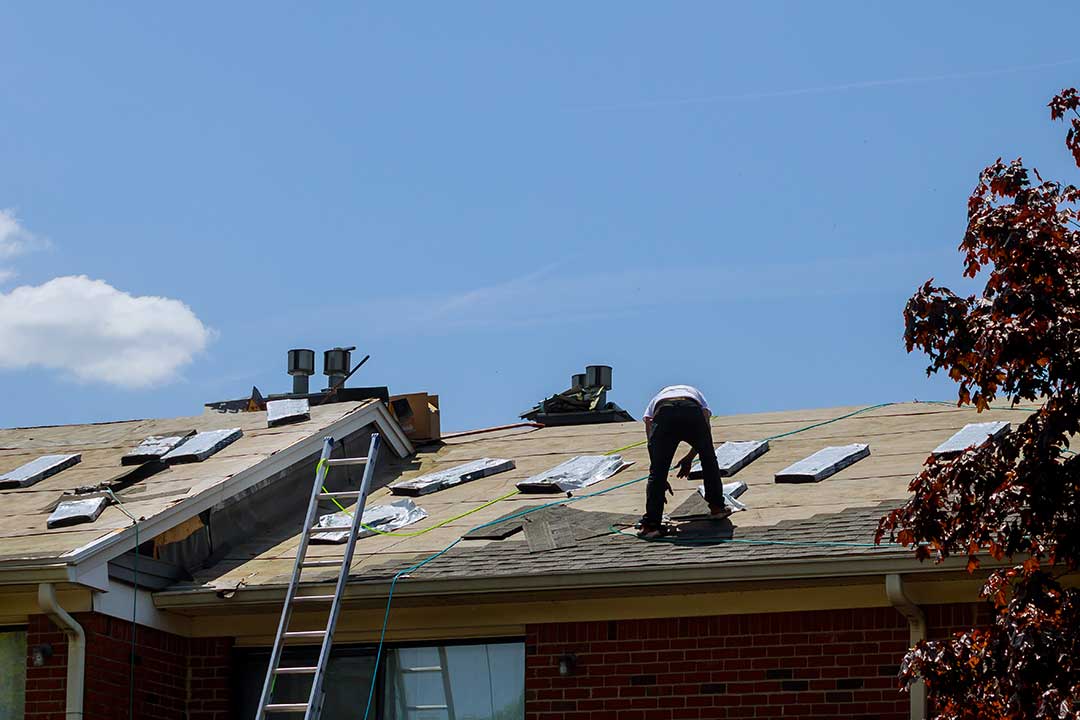
This information helps separate an active emergency from a repair that can safely wait.
How can a roof be protected temporarily?
Temporary measures should prevent additional water entry without creating a new safety hazard. A heavy-duty tarp may reduce exposure when it is installed correctly, but roof access is dangerous during wet, icy, or windy conditions. Homeowners should not attempt tarp installation on steep or damaged roofs.
From inside the attic, a small leak may sometimes be tracked to the underside of the roof deck, but water can travel along rafters before appearing indoors. Avoid cutting into ceilings unless there is an immediate danger from trapped water and the work can be done safely.
Do not rely on caulk, roofing cement, or household tape as a permanent solution. These materials may hide the location of a leak, trap moisture, or fail during temperature changes. Temporary repairs should be documented and replaced with a lasting repair when conditions permit.
What should residents do if repairs are delayed?
If a repair cannot happen immediately, continue monitoring the affected area after every period of rain, snow, or strong wind. Use containers for drips, but do not place heavy objects on a sagging ceiling. If drywall begins to bulge, keep people away from the area because collapse may occur.
Reduce indoor moisture by using safe ventilation and dehumidification where possible. Wet insulation, carpeting, wood, and drywall should not remain damp for extended periods. Mold growth can develop after water damage, particularly in enclosed attic spaces and poorly ventilated areas.
If the roof is open to the weather, protect furniture and flooring beneath the damaged section. Keep a record of dates, photographs, weather conditions, temporary measures, and visible interior damage. This documentation can help with insurance questions, repair planning, and later decisions about whether materials must be replaced.
How do other crises affect roof repair decisions?
A public health emergency is only one type of disruption. Flooding, power outages, severe storms, fuel shortages, supply delays, and restricted road access can all affect roof repairs.
During a wider crisis, prioritize work according to risk:
1. Protect occupants from immediate hazards.
2. Stop water from reaching electrical systems or unsafe ceilings.
3. Prevent additional damage to the structure.
4. Preserve temporary coverings and drainage paths.
5. Delay cosmetic work until labor, materials, and travel conditions are stable.
Do not remove storm debris from a roof unless it can be done from a safe location. Branches may be under tension, and damaged roofing can collapse under added weight. After severe weather, avoid downed wires and report electrical hazards through the appropriate emergency channel.
When is professional assistance necessary?
Roof work requires specialized safety equipment and judgment whenever the roof is steep, damaged, icy, unstable, or near power lines. Assistance is also necessary when water has reached electrical components, structural framing appears compromised, or the source of a leak cannot be identified safely.
A health crisis does not eliminate fall protection, ladder safety, ventilation, or hazard-control requirements. Infection precautions and construction safety must be managed together. The safest arrangement is usually one that limits indoor contact, keeps household members away from the work area, and allows hazardous roof conditions to be evaluated by someone properly equipped to do so.
