
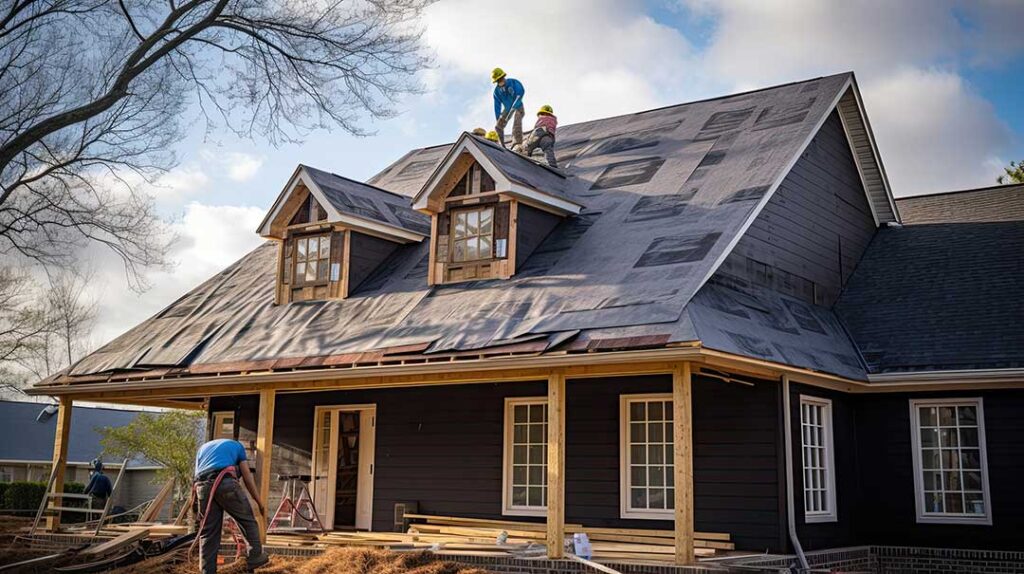
What makes a roofing material durable?
A durable roof covering resists the conditions that cause premature failure: moisture, freeze-thaw cycles, wind, snow loads, sunlight, impact, and poor drainage. The longest service life usually comes from a combination of a suitable material, correct installation, adequate roof structure, and regular maintenance.
For homes in Greene, NY, durability also means handling repeated winter weather. Snow accumulation, ice formation, spring rain, summer heat, falling branches, and temperature swings can all affect a roof over time. A material that performs well in a dry climate may not be the most practical choice for a cold, seasonally wet area.
The most durable roofing materials commonly considered for residential buildings are:
- Natural slate
- Standing-seam metal
- Clay or concrete tile
- High-quality synthetic slate or composite roofing
- Architectural asphalt shingles, when budget and expected service life are priorities
No material is ideal for every house. Roof pitch, structural capacity, attic ventilation, installation quality, and the condition of the roof deck can matter as much as the covering itself.
Is natural slate the longest-lasting roofing material?
Natural slate is often among the longest-lasting residential roofing materials. Properly selected and installed slate can remain serviceable for many decades, and some slate roofs last a century or more.
Slate is resistant to rot, insects, fire, and ultraviolet exposure. It also does not absorb water as readily as many porous materials. Its main limitation is weight. A home must have a roof structure designed to carry the additional load, especially when the roof also supports heavy snow.
Slate can also break if walked on improperly or struck by falling limbs. Individual pieces may be replaced, but matching older slate can be difficult. Flashing around chimneys, roof valleys, and wall intersections may require attention before the slate itself reaches the end of its useful life.
Slate is best suited to buildings where the structure, roof pitch, detailing, and long-term maintenance plan can support it.
How durable are metal roofs?
Metal roofing is highly durable when the panels, fasteners, seams, and flashing are designed as one complete system. Standing-seam metal is particularly effective at shedding rain and snow because it uses long panels with raised, concealed seams.
Metal roofs are resistant to fire, insects, and decay. They are also lighter than slate, clay tile, and concrete tile, which can make structural planning simpler. A properly installed metal roof may provide several decades of service.
Metal roofing is not maintenance-free. Coatings can fade or wear, fasteners can loosen or corrode, and poorly designed valleys or penetrations can allow water intrusion. Snow sliding from a smooth metal roof can also create a hazard over entrances, lower roofs, walkways, or parked vehicles. Snow guards may be appropriate in certain locations.
Metal can dent from large hail or falling branches, although the severity depends on the metal thickness, panel profile, and impact. The noise from rain is usually less noticeable when the roof assembly includes solid decking, insulation, and finished ceilings.
Are clay and concrete tiles practical in a cold climate?
Clay and concrete tiles can be very durable and are naturally resistant to fire, insects, and ultraviolet deterioration. Concrete tile is generally heavier and more impact-resistant than many lightweight roof coverings, while clay tile can retain its appearance for a very long time.
The main concern is weight. Tile roofs require structural support designed for the load, including the added weight of snow and ice. Tiles can also crack from impact, improper foot traffic, or repeated freeze-thaw exposure if the product is not suitable for the local climate.
Tile roofs depend heavily on underlayment and flashing. The tile sheds water, but the layers beneath it provide important secondary protection. Valleys, eaves, wall intersections, and penetrations deserve particular attention because failures in these areas may occur even when the tiles appear sound.
Tile can be a durable choice, but it is not automatically appropriate for every existing home. Structural capacity and climate suitability should be verified before installation.
What about synthetic slate and composite roofing?
Synthetic slate and composite roofing products are designed to resemble slate, wood, or tile while weighing less than many natural materials. Their durability varies widely, so the material should be evaluated by its documented impact resistance, wind rating, temperature range, fire classification, and installation requirements.
These products may be useful when a house cannot support natural slate or tile but the owner wants a longer-lasting appearance than basic shingles typically provide. Some can be easier to handle and replace than natural slate.
The term “synthetic” does not guarantee superior performance. Product quality, exposure to sunlight, thermal movement, and the reliability of the attachment system all matter. It is also wise to confirm that replacement pieces will remain available years later.
Are asphalt shingles durable enough for Greene, NY homes?
Architectural asphalt shingles are the most common choice for many houses because they balance cost, weight, appearance, and expected service life. Higher-quality shingles can resist wind, algae growth, and moderate impact better than basic three-tab shingles.
Their service life depends on material quality, roof slope, ventilation, installation, and exposure. Shingles deteriorate faster on roofs with poor attic ventilation, persistent shade, trapped moisture, or repeated ice buildup. Improperly installed flashing can cause leaks long before the shingle surface appears worn.
For local homes, useful features may include:
- A wind rating appropriate for the site
- A suitable ice-barrier system at vulnerable eaves and valleys
- Proper metal flashing around chimneys, walls, and roof penetrations
- Adequate attic ventilation without allowing wind-driven rain or snow into the assembly
- Shingles compatible with the roof pitch and local code requirements
Architectural shingles may not last as long as slate or a well-designed metal roof, but they can provide dependable performance when the entire roof system is correctly designed and maintained.
Which roofing material handles snow and ice best?
No roofing material eliminates snow and ice problems by itself. Roof pitch, insulation, air sealing, drainage, flashing, and snow-management details all affect performance.
Steeper roofs generally shed snow more readily, but snow sliding from metal, slate, or tile can be dangerous. Lower-slope roofs may retain snow longer and require careful attention to drainage and ice-dam risk.
In New York, roof assemblies must be designed for applicable snow and wind loads. Existing homes may also have older framing, additions, porches, or enclosed areas that behave differently from the main roof. Uneven snow accumulation can be especially concerning where roof sections meet or where upper roofs drain onto lower ones.
Removing heavy snow from a roof can be hazardous and may damage the covering if done improperly. Signs such as sagging ceilings, sticking doors, cracking sounds, or visible roof movement warrant prompt attention because they may indicate a structural problem rather than a simple roofing-material issue.
Which material offers the best overall durability?
For maximum potential service life, natural slate is difficult to surpass, provided the structure and maintenance details are appropriate. Standing-seam metal offers a strong combination of longevity, lower weight, fire resistance, and snow-shedding performance. Clay and concrete tile can also last for decades but require substantial structural support and careful freeze-thaw planning.
Synthetic slate and composite products occupy a middle ground, while architectural asphalt shingles remain a practical choice for many households that need reasonable durability without the weight or cost of heavier materials.
The most durable roof is not always the material with the longest published lifespan. A well-installed, properly ventilated, correctly flashed roof that matches the building may outperform a premium material installed over a weak deck or poorly designed drainage system.
When comparing options, examine the complete roof assembly rather than the visible covering alone. The underlayment, flashing, ventilation, fasteners, drainage, roof structure, and maintenance access all influence how long the roof protects the home.
