
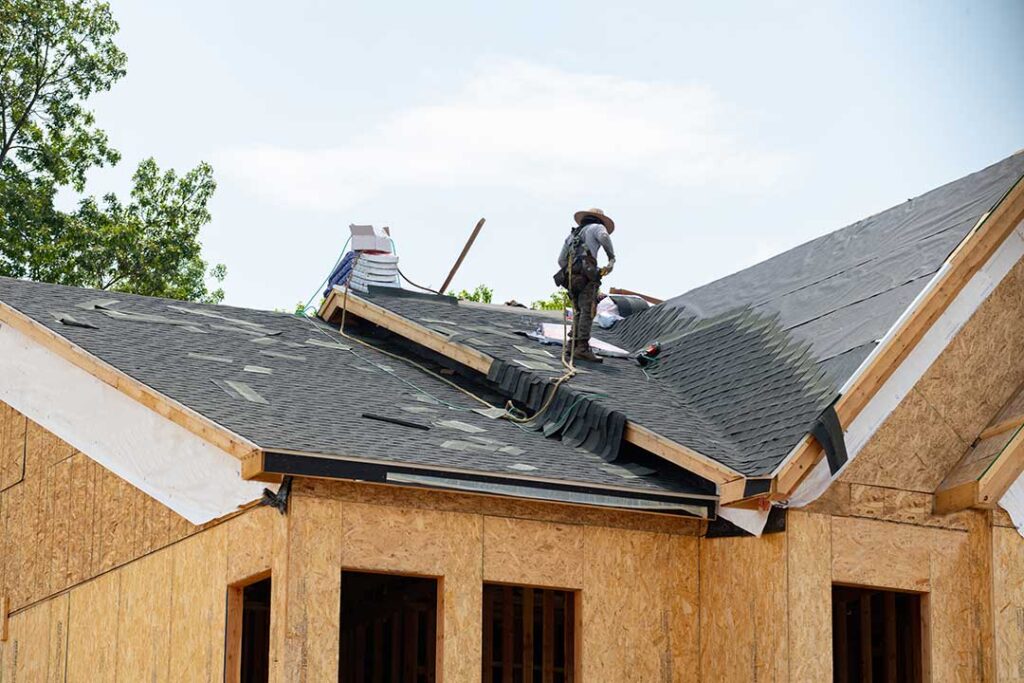
Hanging seasonal lights can make a home look welcoming, but the work involves more than attaching bulbs along a roof edge. In Greene, NY, winter weather, sloped roofs, icy ground, and older housing details can turn a simple decorating project into a fall, fire, or roof-damage hazard.
The safest approach keeps people off the roof whenever possible, uses lighting rated for outdoor conditions, and avoids fasteners or installation methods that can damage shingles, flashing, gutters, or siding.
Can lights be hung without climbing onto the roof?
Yes. For most homes, lights can be installed from a properly positioned ladder, from the ground using an extension pole designed for light clips, or from accessible porch and balcony areas. Avoid walking on the roof simply to place lights along the eaves.
Roof surfaces may be slippery from dew, frost, rain, or early-season snow. Asphalt shingles can also become brittle in cold weather, while metal roofing can be especially slick. A roof that appears dry may still have a thin layer of moisture.
Before starting, inspect the route from the ground. Identify:
- The lowest and safest roof edges
- Gutter locations and downspouts
- Skylights, vents, chimneys, and utility lines
- Uneven ground, landscaping, retaining walls, or snowbanks
- Outdoor receptacles and the path of extension cords
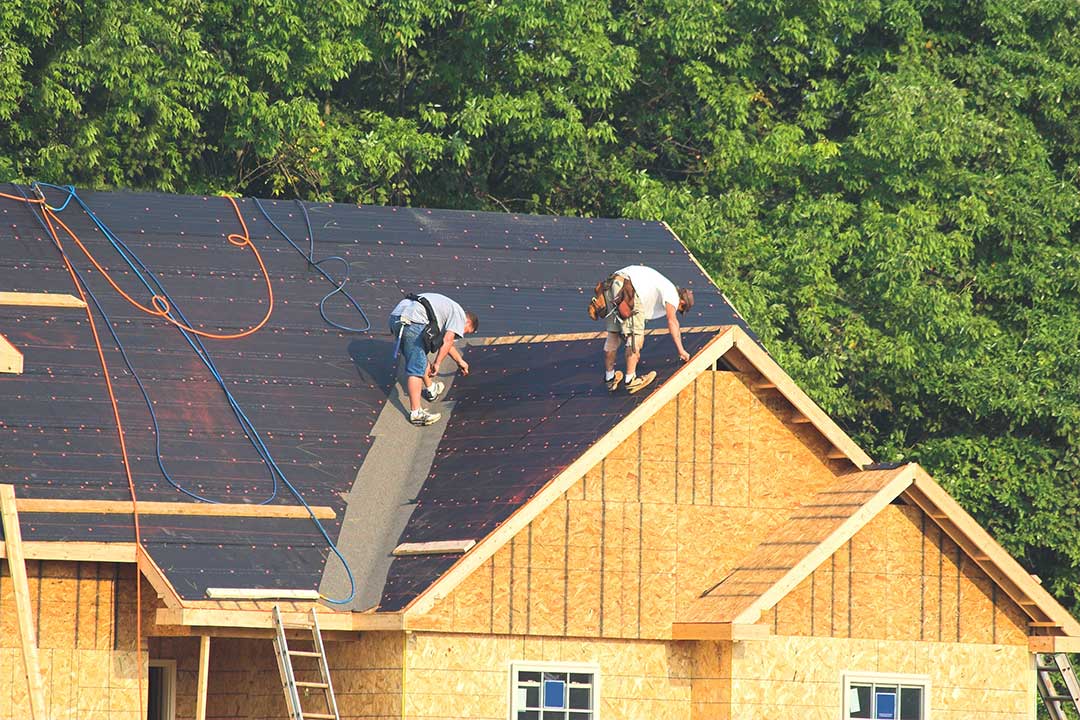
If the design requires walking on a steep, wet, icy, fragile, or unusually high roof, the project has moved beyond ordinary household decorating work. Fall-protection equipment and proper roof-access methods may be necessary.
What type of lights and clips are safest?
Use lights specifically labeled for outdoor use. Indoor-only strands are not designed for repeated exposure to rain, freezing temperatures, snow, or wind. Inspect every strand before installation and discard any with cracked sockets, exposed wire, loose connections, melted sections, or damaged plugs.
Outdoor-rated clips are preferable to nails, staples, screws, or improvised attachments. The correct clip depends on the surface:
- Gutter clips can attach lights without puncturing roofing materials.
- Shingle-tab clips may hold lightweight strands beneath shingle edges without driving fasteners through the roof.
- Siding or fascia clips can be used where the design allows.
- Magnetic clips may work on compatible metal surfaces but should be checked after strong wind.
Do not force clips under shingles, bend flashing, block gutters, or attach lights to plumbing vents. Never puncture the roof covering to support decorative wiring. Even a small hole can allow water to reach roof decking or framing.
Avoid placing heavy decorations, multiple strands, or concentrated attachments on a gutter. Gutters are designed to manage water, not support substantial suspended loads. Excess weight can pull gutters away from the fascia or change their slope.
How should a ladder be positioned?
A ladder should stand on firm, level ground and be placed where it will not slide, sink, or shift. Frozen soil, wet leaves, gravel, and sloping driveways are common problems during the decorating season.
For an extension ladder:
- Face the ladder while climbing.
- Keep two hands and one foot, or two feet and one hand, in contact whenever possible.
- Keep your belt buckle between the ladder rails; do not lean or reach far to either side.
- Set the ladder at a safe angle, commonly using a one-to-four ratio.
- Extend the rails above the roof edge when the ladder is being used for roof access.
- Have another adult stabilize the ladder when conditions or height make movement more likely.
A stepladder should be fully opened and locked. Do not stand on the top cap or the highest step unless the ladder is specifically designed for that use. Never place a stepladder on a roof, gutter, porch railing, box, or other elevated surface to gain extra height.
Move the ladder instead of stretching to reach the next section. Many falls occur because a person tries to finish “just one more clip” while standing off-center.
What electrical precautions matter outdoors?
Outdoor lighting should be connected to a receptacle protected by ground-fault circuit interruption. This protection is especially important where cords and plugs may encounter moisture.
Keep connections off the ground and away from puddles, snowmelt, downspouts, and areas where a snow shovel or vehicle could damage them. Use outdoor-rated extension cords that are suitable for the electrical load, and follow the light manufacturer’s limits for connecting strands.
Before plugging in the lights:
- Confirm that cords are not pinched by windows or doors.
- Keep wiring away from hot surfaces, sharp edges, and moving equipment.
- Do not run cords beneath rugs or where people will routinely walk.
- Do not overload a receptacle or power strip.
- Unplug lights before adjusting, moving, or repairing them.
- Use a timer or switch so lights are not left on continuously when no one is home.
Never use a metal ladder near overhead electrical lines. Even without direct contact, a ladder or long extension pole can create a dangerous path for electricity. Maintain generous clearance from utility wires and service connections.
How can lights be installed without damaging the roof?
The lights should rest lightly along the intended line rather than pull tightly between attachment points. Leave enough slack for normal movement caused by wind and temperature changes, but avoid loops that can catch branches or collect ice.
Do not attach lights to:
- Chimney caps or masonry joints
- Roof vents or exhaust outlets
- Skylight frames
- Flashing edges
- Antennas or utility equipment
- Damaged gutters or loose fascia
- Snow guards unless the system is designed for that purpose
In Greene, NY, winter wind, freeze-thaw cycles, and snow or ice accumulation can place extra stress on temporary decorations. Check the installation after the first strong wind and remove any section that has pulled loose or begun to sag.
Ice should never be chipped away from wiring or clips. Melting ice can expose electrical connections to water, and forceful removal may damage shingles, gutters, or the cord insulation.
When should roof lights be left off?
Postpone the work during rain, snow, freezing conditions, high winds, or when the ground is too slippery to support a ladder. Daylight is safer than installing lights after dark, when roof edges, power cords, and changes in ground level are harder to see.
Leave the roof work to someone with appropriate fall-protection training when the roof is steep, the edge is more than a short ladder reach away, or the installation requires walking across the roof. A qualified electrician should evaluate situations involving damaged wiring, inadequate outdoor receptacles, repeated tripping of protective devices, or suspected electrical faults.
After the season, remove lights carefully rather than pulling the strand from one end. Store cords dry and loosely coiled, and inspect them again before the next use. Taking down decorations before heavy snow or ice arrives also reduces the chance that frozen attachments will damage the roof or gutters.
