
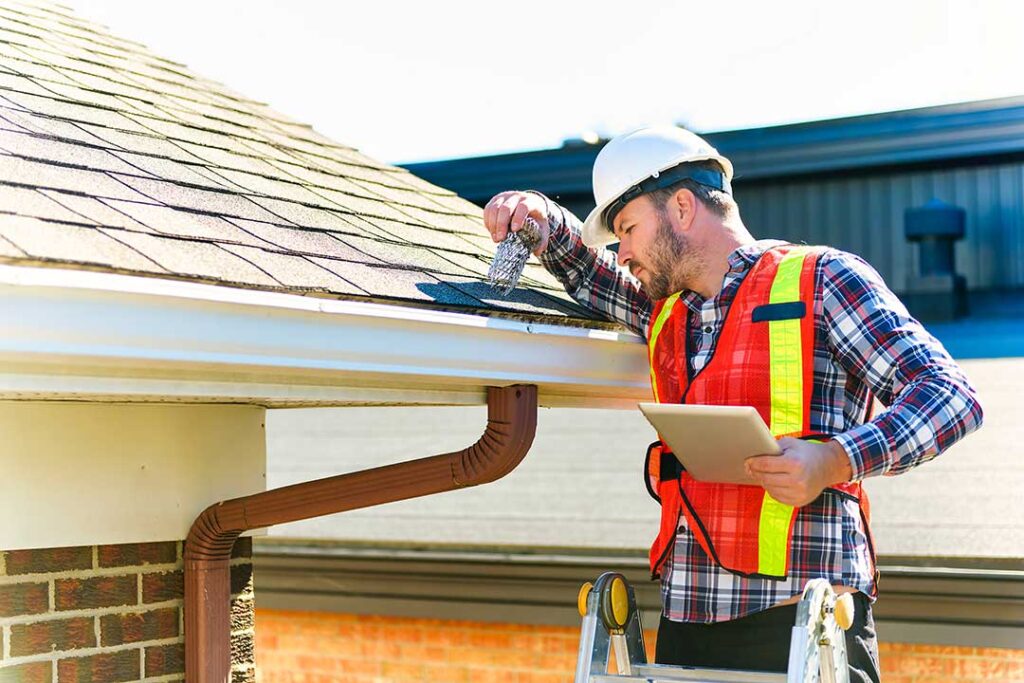
What is the difference between re-roofing and roof replacement?
Re-roofing adds a new layer of shingles over an existing shingle layer. Roof replacement removes the existing roofing materials so the roof deck, flashing, underlayment, and other components can be inspected and repaired or replaced as needed.
The two approaches may look similar from the ground, but they are not equal repairs. Re-roofing is mainly a surface renewal. Full replacement is a more complete roofing project that addresses the condition beneath the shingles as well as the shingles themselves.
For homeowners in Greene, NY, understanding that difference is especially useful because roofs must handle snow, ice, rain, wind, freeze-thaw cycles, and occasional debris from nearby trees.
How does re-roofing work?
Re-roofing usually involves installing a second layer of asphalt shingles over an existing layer. The original shingles remain in place, and the new shingles are fastened through them into the roof deck.
This method can be appropriate when:
- The existing roof has only one layer of shingles
- The roof deck is sound and relatively flat
- There are no widespread leaks or moisture problems
- The existing shingles are not badly curled, broken, or missing
- Roof edges, valleys, flashing, and ventilation can still be handled properly
Re-roofing is generally less disruptive than a full tear-off. It may also reduce the amount of old roofing material sent for disposal. However, it does not provide a clear view of the roof deck, so hidden damage may remain undetected.
A second layer also adds weight. Most homes are designed to support their roofing system, but the condition of the framing and the number of existing layers still matter. Local snow loads make this a factor that should not be ignored.
What happens during a full roof replacement?
A full roof replacement begins with removing the existing shingles and underlayment down to the roof deck. The exposed deck can then be inspected for rot, water staining, soft areas, damaged fasteners, or other weaknesses.
A typical replacement may include:
- New underlayment and ice-dam protection where required or appropriate
- Replacement of damaged roof decking
- New flashing around chimneys, walls, vents, and roof intersections
- Updated pipe boots and roof penetrations
- Installation of new shingles or another selected roofing material
- Inspection and improvement of roof ventilation when needed
- Replacement of deteriorated drip edges or other edge components
The main advantage is visibility. Once the old roofing is removed, problems that could not be identified from the surface become easier to find. That can improve the reliability of the finished roof, particularly on older homes or roofs with a history of leaks.
Is re-roofing cheaper than replacement?
Re-roofing usually costs less at the beginning because it involves less labor, fewer disposal charges, and fewer replacement materials. The project may also take less time.
That does not automatically make it the better financial choice. If damaged decking, poor flashing, trapped moisture, or inadequate ventilation remains underneath, the roof may continue to develop problems. A later tear-off could then be needed sooner than expected.
The more useful comparison is not simply the initial price. Consider:
- The remaining life of the existing roof
- Whether the home already has more than one shingle layer
- The condition of the roof deck
- The age and quality of the flashing
- Evidence of attic moisture or poor ventilation
- How long the homeowner expects to remain in the property
- Whether local weather exposure has been unusually severe
A lower-cost surface covering can make sense for a sound roof near the end of its useful life. It is less suitable when the underlying roof system is uncertain.
When is re-roofing not a good option?
Re-roofing is usually inappropriate when the existing shingles are already layered, badly deteriorated, or installed over a damaged deck. It is also a poor fit when leaks are widespread or when water has entered the attic, insulation, walls, or ceilings.
Warning signs that may point toward full replacement include:
- Shingles that are curled, brittle, cracked, or missing across large areas
- Sagging sections of the roof
- Repeated leaks in different locations
- Dark stains or damp insulation in the attic
- Soft or spongy areas underfoot
- Extensive granule loss in gutters
- Rusted, loose, or improperly installed flashing
- More than one existing shingle layer
- Evidence that previous repairs have only covered recurring problems
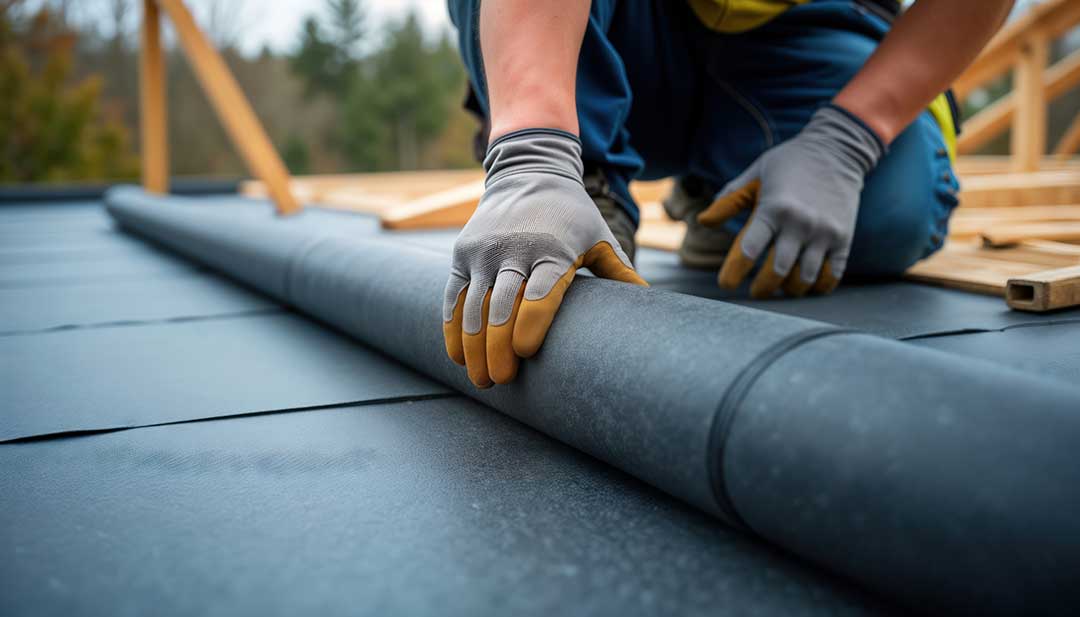
A roof can appear acceptable from the ground while still having serious problems at valleys, eaves, penetrations, or beneath the shingles. Surface appearance alone does not establish whether re-roofing is appropriate.
How do snow and freeze-thaw cycles affect the decision?
Cold-weather conditions can expose weaknesses in both the roofing surface and the components beneath it. Snow can remain on shaded roof sections, while repeated freezing and thawing can enlarge small cracks and loosen materials.
Ice dams are another concern. They form when heat escapes into the attic and melts snow on warmer roof areas. The water can refreeze near colder eaves and sometimes work beneath shingles. Re-roofing may improve the surface, but it cannot correct every cause of ice dams. Attic insulation, air sealing, ventilation, roof design, and eave protection may all play a role.
For that reason, a roof with recurring winter leaks deserves more than a visual shingle upgrade. The moisture pathway should be identified before deciding between a second layer and a full tear-off.
Can a roof be re-roofed more than once?
In many situations, re-roofing is limited to one additional layer. Adding multiple layers increases weight and can make future inspection, repair, and tear-off more difficult.
Roofing materials also need to lie flat. Installing new shingles over a badly uneven surface can produce visible waves, poor sealing, and vulnerable areas around edges and penetrations. Local building requirements and manufacturer instructions may also limit how many layers are allowed.
If a property already has two layers, full removal is generally the more appropriate path. The roof should be evaluated as a complete assembly rather than treated as a surface that can continue receiving new shingles.
Which option is better for an older home?
An older home often benefits from a closer look before any decision is made. Changes may have occurred over time, including additions, roofline alterations, chimney work, ventilation modifications, and previous repairs.
Full replacement offers the opportunity to inspect the roof deck and correct details that may have been overlooked during earlier work. Re-roofing may still be reasonable if the structure is sound, the existing roof has only one layer, and the installation details are in good condition.
Historic construction, unusual roof shapes, and older framing should be evaluated carefully. A roof that looks simple from outside may contain several connected sections with different ages and repair histories.
What should homeowners check before choosing?
The decision should be based on the condition of the entire roof system, not only the shingle color or visible wear. Useful questions include:
- How many layers are currently installed?
- Are there active or recurring leaks?
- Has the attic been inspected for moisture or daylight?
- Is the roof deck firm and free of rot?
- Are flashing and penetrations still serviceable?
- Is the attic adequately insulated and ventilated?
- Does the roof have sagging, uneven areas, or damaged edges?
- Will the added weight create a concern during snowy winters?
When safety is involved, such as sagging, exposed decking, active interior water entry, or suspected structural damage, evaluation by a qualified roofing or building professional is warranted. Walking on a steep, wet, icy, or damaged roof is unsafe.
The practical distinction is straightforward: re-roofing renews the outer layer, while replacement restores the roofing system from the deck upward. A sound roof with limited surface wear may be a candidate for re-roofing. A roof with hidden damage, multiple layers, recurring leaks, or deteriorated components generally calls for full replacement.
