
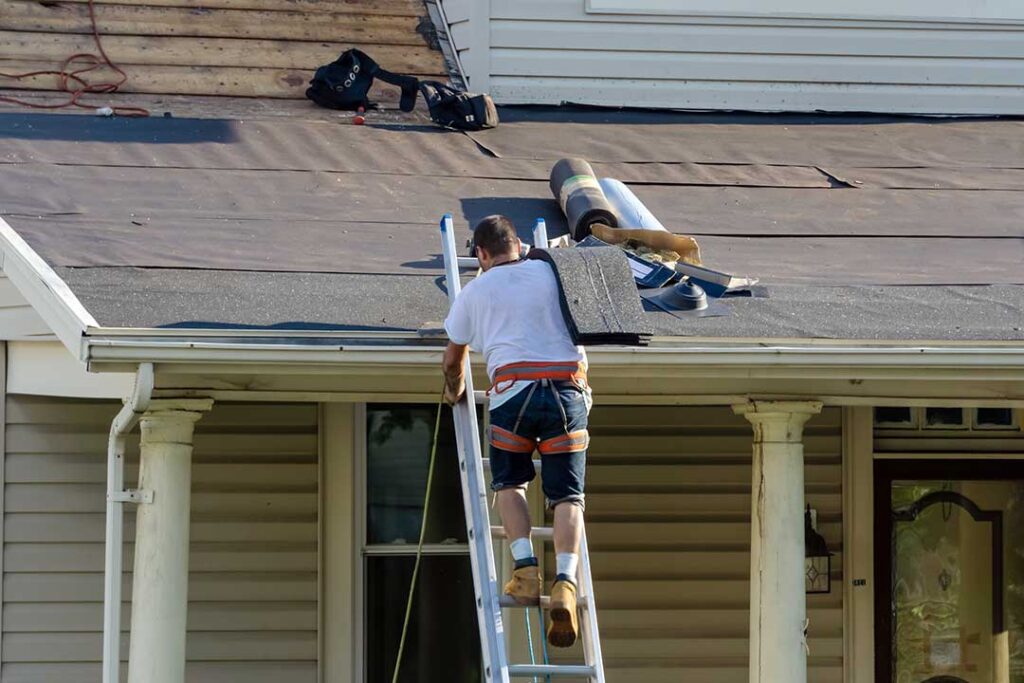
A roof does more than keep rain and snow out. Its materials, ventilation, insulation, color, and condition all affect how much energy a home uses to stay comfortable. In Greene, NY, where homes experience cold winters, summer heat, snow, ice, and repeated freeze-thaw cycles, roof performance can influence heating bills, indoor comfort, and moisture control throughout the year.
How does a roof affect energy efficiency?
A roof affects energy efficiency by controlling heat transfer between the living space and the outdoors. In winter, a well-designed roof system helps keep indoor heat inside. In summer, it limits the amount of solar heat entering the attic and upper floors.
The roof itself is only one part of that system. Energy performance also depends on:
- Insulation levels in the attic
- Air sealing around openings and penetrations
- Ventilation beneath the roof covering
- The roof’s color and material
- The condition of shingles, flashing, and underlayment
- The way the attic connects to the rest of the house
A roof with new shingles may still perform poorly if attic insulation is thin, air leaks are left unsealed, or ventilation is blocked. Likewise, a roof that appears older may support reasonable energy performance if the insulation and ventilation system are properly maintained.
Why is attic insulation often more important than roofing material?
For many homes, attic insulation has a greater effect on energy use than the outer roofing material. Heat naturally rises, and without sufficient insulation, heated indoor air can escape into the attic during cold weather.
This can lead to:
- Higher heating demand
- Cold ceilings or upper rooms
- Uneven indoor temperatures
- Moisture buildup on the underside of the roof
- Increased risk of ice dams during snowy weather
In summer, insulation slows heat moving from a hot roof deck into the living space. It does not eliminate heat gain, but it gives the cooling system less work to do.
Insulation should be continuous and evenly distributed. Gaps around attic hatches, chimneys, plumbing vents, recessed lights, and wiring pathways can allow substantial air movement even when the rest of the attic has adequate insulation.
What is the connection between roof ventilation and energy use?
Roof ventilation helps control heat and moisture in the attic. A typical ventilation system allows air to enter through lower intake openings and leave through higher exhaust openings. This movement can reduce heat buildup in summer and help dry moisture that enters the attic during winter.
Proper ventilation does not mean making the attic as cold as possible. Its purpose is to support a balanced, controlled exchange of air without allowing outside air to move directly into the living area.
Common problems include:
- Blocked intake openings
- Exhaust vents that are too limited for the attic size
- Bathroom fans or kitchen exhaust discharging into the attic
- Insulation covering ventilation paths at the roof edge
- Unplanned openings that allow warm indoor air to leak upward
Ventilation cannot correct missing insulation or major air leaks by itself. The most effective attic systems combine air sealing at the ceiling plane, adequate insulation, and properly arranged ventilation.
Can dark shingles make a home hotter?
Dark roofing materials generally absorb more solar radiation than light-colored materials. This can raise roof surface temperatures during sunny summer weather, especially on low-slope sections or roofs with limited shade.
The effect on indoor comfort depends on the entire roof assembly. Adequate insulation and ventilation can reduce the amount of heat that reaches the living space. A dark roof is not automatically inefficient, but its heat gain may be more noticeable in homes with finished attics, shallow roof cavities, weak insulation, or limited air circulation.
Light-colored or reflective roofing materials may reduce summer heat absorption, but they are not always the most suitable choice for every home. Winter heating needs, snow conditions, neighborhood design, roof slope, and the existing attic arrangement also matter.
Do roof problems increase heating and cooling costs?
They can. Roof-related energy losses are often caused by conditions around the roof rather than by a visible hole in the shingles.
Examples include:
- Wet insulation, which loses insulating value
- Air leaks around attic openings
- Missing insulation near roof edges
- Damaged flashing that allows water into the roof assembly
- Poorly sealed ductwork located in the attic
- Ice dams that allow water to enter behind the roof covering
- Roof leaks that create damp areas and reduce insulation performance
A small roof leak may not immediately create a noticeable ceiling stain. Water can travel along framing members before appearing indoors. Damp insulation can also remain hidden while contributing to heat loss and odor problems.
Unexpected increases in heating or cooling costs do not prove that the roof is the cause, but they may justify checking the attic and upper portions of the home along with the heating and cooling equipment.
How do Greene, NY winters affect roof efficiency?
Cold weather creates several conditions that can expose weaknesses in a roof system. Snow cover, wind, ice, and freeze-thaw cycles can affect shingles, flashing, gutters, and attic moisture levels.
Ice dams are more likely when heat escapes into a cold attic and warms the underside of the roof. Snow then melts near the warmer roof area, flows toward colder eaves, and refreezes. The resulting ice can obstruct drainage and allow water to move beneath the roof covering.
The most reliable prevention focuses on the source of the problem:
- Seal air leaks between the home and attic
- Install sufficient attic insulation
- Keep roof-edge ventilation paths open
- Maintain drainage routes
- Avoid directing indoor exhaust into the attic
- Watch for recurring ice buildup after storms
Removing visible ice without correcting heat loss may only provide temporary relief. Ice removal can also damage shingles or create a safety hazard, so hazardous conditions may require qualified assistance.
Does roof maintenance improve energy efficiency?
Routine maintenance can preserve energy performance, although it cannot replace proper insulation or ventilation. Keeping the roof system weather-tight helps prevent wet insulation and hidden air or moisture pathways.
Useful maintenance checks include:
- Looking for missing, cracked, or displaced shingles
- Checking flashing around chimneys, vents, and roof transitions
- Clearing leaves and debris from drainage areas
- Inspecting attic insulation for dampness or compression
- Confirming that bathroom and kitchen exhaust vents terminate outdoors
- Watching for daylight, stains, frost, or mold-like growth in the attic
- Examining gutters and downspouts after heavy rain or snowmelt
Gutters are not an energy-efficiency feature by themselves, but they help move water away from roof edges and exterior walls. Reliable drainage reduces the chance that moisture will enter the roof assembly or freeze along vulnerable edges.
What should homeowners check before replacing a roof?
A roof replacement is an opportunity to improve the entire roof assembly, but replacing the outer covering alone may not solve comfort or energy problems.
Before work begins, it is useful to understand:
- Whether attic insulation meets current needs
- Where air leaks are occurring
- Whether intake and exhaust ventilation are balanced
- Whether ducts or plumbing lines pass through the attic
- Whether previous leaks damaged framing or insulation
- Whether the roof design creates areas prone to snow or ice buildup
Energy improvements should be planned as a system. Adding insulation without addressing moisture sources or ventilation pathways can create new problems. Similarly, adding vents without controlling air leakage may have little effect on indoor comfort.
For older homes in the community, roof performance may also be influenced by additions, enclosed porches, finished attics, and changes made over several decades. These details can make one section of a roof behave differently from another.
How can residents judge whether a roof is performing well?
A roof and attic are likely supporting reasonable energy efficiency when upper rooms remain relatively comfortable, insulation stays dry, there is no persistent frost or condensation in the attic, and ice buildup is limited after ordinary winter storms.
Warning signs include:
- Large temperature differences between floors
- Drafts near ceiling fixtures or attic hatches
- Frost on roof framing
- Repeated ice dams
- Damp or compressed insulation
- A musty attic odor
- Unexplained roof leaks
- High energy use combined with poor indoor comfort
These signs do not identify a single cause, but they help narrow attention toward the roof, attic, air barrier, and moisture-control systems. A careful evaluation should consider all of them together rather than focusing only on the shingles.
