
Which tools are most useful for routine roof maintenance?
For basic roof maintenance, the most useful tools are not specialized roofing machines. A homeowner typically needs equipment for safe observation, cleaning, measuring, minor sealing, and documenting changes over time. The right tools also help identify problems before they become leaks or structural damage.
For homes in Greene, NY, roof maintenance should account for snow, ice, wind, spring debris, summer heat, and repeated freeze-thaw cycles. Those conditions can loosen flashing, clog drainage paths, damage shingles, and expose small weaknesses around roof penetrations.
A practical maintenance kit may include:
- Extension ladder with stabilizer accessories
- Slip-resistant footwear
- Work gloves and eye protection
- Headlamp or bright flashlight
- Binoculars
- Tape measure
- Plastic roof rake
- Soft-bristle brush
- Plastic scoop or hand trowel
- Caulk-removal tool
- Roofing sealant approved for the roof material
- Pry bar and small hammer for ground-level inspection
- Moisture meter for interior checks
- Phone or camera for maintenance records
The purpose is not to perform every repair personally. Good tools are equally valuable for inspecting conditions, recording changes, and recognizing when a task has become unsafe.
What should be used to inspect a roof from the ground?
Binoculars, a flashlight, and a camera are among the safest inspection tools because they allow observation without immediately stepping onto the roof. Many roof problems can be identified from the ground or from an attic.
Use binoculars to look for:
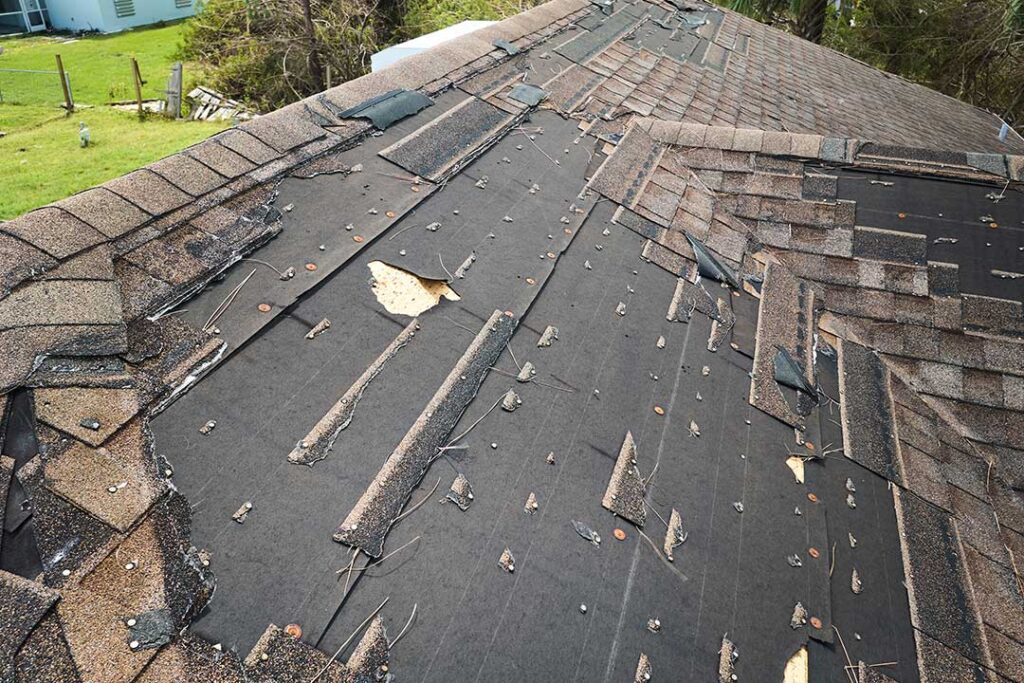
- Missing, lifted, cracked, or curling shingles
- Exposed underlayment or roof decking
- Damaged chimney or vent flashing
- Sagging roof lines
- Heavy moss or algae growth
- Debris collecting in valleys
- Bent gutters or loose downspouts
- Tree branches touching the roof
A camera or phone is useful for recording the same areas after each inspection. Comparing photos across seasons can reveal gradual movement or deterioration that may be difficult to notice during a single visit.
A bright flashlight helps with attic inspections. Look for daylight around roof penetrations, damp insulation, dark staining on wood, rusted fasteners, and water marks. A stain does not always show the exact location of the exterior leak because water can travel along rafters or roof decking.
Is a ladder necessary for roof maintenance?
A ladder is useful for inspecting gutters and lower roof edges, but it should not be treated as a substitute for fall protection. Set it on firm, level ground, keep the area clear, and maintain three points of contact while climbing.
A ladder stabilizer can reduce movement and help keep the rails away from gutters. The ladder should extend high enough above the landing surface to provide a secure handhold. Never place a ladder on snow, ice, loose soil, stacked materials, or improvised supports.
For many homes, the safest approach is to inspect the roof from the ground and use a ladder only for accessible gutter areas. Walking on a roof becomes especially hazardous when shingles are wet, frosted, moss-covered, steep, or weakened by age. Snow-covered roofs should not be climbed.
What tools help clean gutters and roof drainage areas?
A plastic scoop, soft brush, and bucket are useful for removing leaves, pine needles, and sediment from gutters. Plastic tools are preferable to sharp metal tools because they are less likely to scratch protective coatings or damage gutter surfaces.
A hose can help test whether water flows through downspouts, but it should be used only after loose debris has been removed. Water backing up at a joint or overflowing from one section may indicate a clog, poor slope, damaged gutter, or undersized drainage path.
For roof surfaces, avoid aggressive pressure washing. High-pressure water can remove protective granules, force moisture beneath shingles, and damage flashing or sealants. A soft brush used from a safe position is less damaging, although roof access may still present a fall hazard.
Roof rakes can help remove light snow from some low-slope areas, but they must be used carefully. Pulling forcefully can scrape off shingle granules or damage gutters. Ice buildup that blocks drainage should not be chipped away with an axe, hatchet, or sharp pry bar.
Which hand tools are useful for minor roof-related tasks?
A tape measure helps document damaged areas, gutter dimensions, flashing gaps, and the location of roof penetrations. A small pry bar and hammer may be useful for removing loose debris or examining detached trim at ground level, but they should not be used to pry on intact shingles without a clear repair plan.
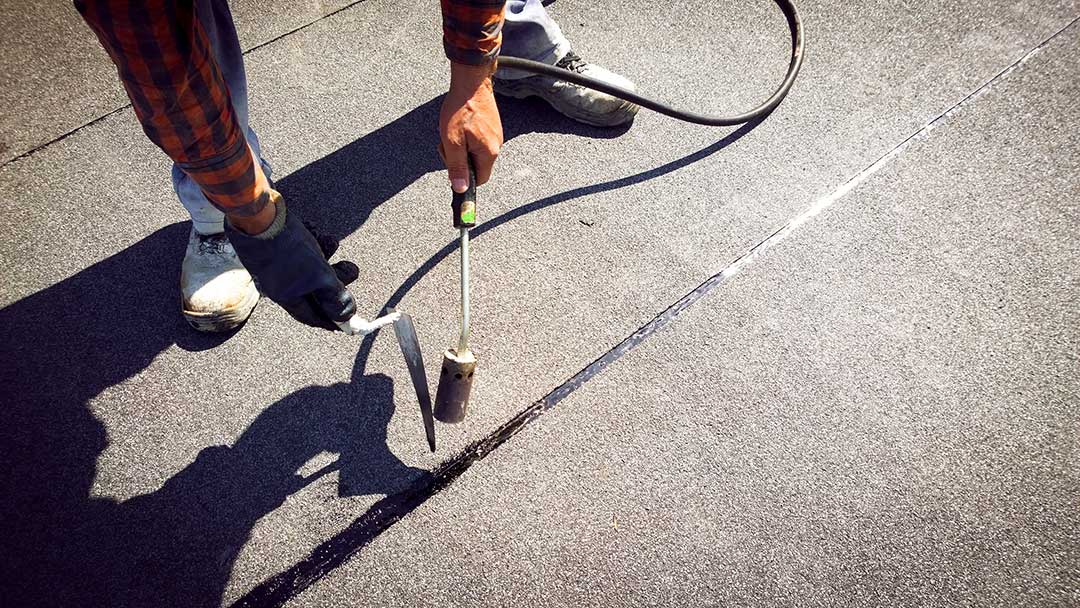
A caulk-removal tool is safer than a utility knife for taking away failed sealant around accessible exterior joints. New sealant should be compatible with the roof material and used only where sealant is an appropriate repair. Sealant is not a substitute for damaged flashing, missing shingles, rotten wood, or poor drainage.
A utility knife can cut roofing material, but it requires careful handling and secure footing. Keep blades retracted when not in use, and never carry an open blade while climbing.
A moisture meter can help identify damp areas in attic wood, sheathing, or interior wall materials. It is a diagnostic aid, not a definitive leak detector. Readings can be affected by temperature, material type, and nearby plumbing or condensation.
What safety equipment should be part of the tool kit?
Safety equipment is more important than any repair tool. Basic protective equipment includes work gloves, eye protection, slip-resistant footwear, and clothing that does not catch easily on ladder parts or protruding hardware.
For roof access, fall protection must be designed for the specific roof shape, slope, and work area. A makeshift rope, unsecured ladder, or ordinary household harness is not an adequate system. If a task requires standing on a steep, wet, icy, fragile, or snow-covered roof, it should not be treated as routine maintenance.
Stop work during lightning, strong wind, freezing rain, heavy rain, or rapidly changing weather. Roof materials can become slippery before they appear visibly wet. Early morning frost and shaded areas may remain icy after other surfaces have dried.
Keep tools in a secured belt or hoist them with a line rather than carrying them while climbing. Loose tools can fall and injure people below or damage siding, windows, vehicles, and landscaping.
Which tools are useful for seasonal roof checks?
A seasonal inspection does not require a large collection of equipment. A simple checklist, camera, binoculars, and flashlight can cover much of the work.
In spring, inspect for damage caused by snow, ice, wind, and falling branches. Clear roof drainage areas and check whether gutters have pulled away from the fascia.
During summer, look for loose flashing, deteriorated sealant, exposed nail heads, and shingle granule loss. Heat can make some roof materials more flexible, so avoid unnecessary walking on them.
Before winter, confirm that gutters and downspouts are clear, attic ventilation openings are not blocked by insulation, and tree limbs are not positioned over the roof. Good attic ventilation and insulation management can reduce condensation and uneven roof temperatures, although they do not eliminate every ice-related problem.
After a major windstorm or heavy snowfall, inspect from the ground first. New leaks, ceiling stains, sagging materials, or visible structural movement require prompt attention because they may indicate more than a minor maintenance issue.
What should not be used for roof maintenance?
Avoid using household shortcuts that can create more damage than the original problem. Common examples include:
- Pressure washers on shingles
- Sharp tools for breaking ice from gutters
- Bleach mixtures that run onto siding, plants, or metal
- Improvised ladder extensions
- Ordinary shoes with smooth soles
- Unsecured ropes used as fall protection
- Roofing sealant applied over wet or dirty surfaces
- Heavy tools carried while climbing
The safest tool is sometimes a decision not to access the roof. Ground-level inspection, attic observation, and clear maintenance records can provide useful information without creating a fall risk. When roofing materials are unstable, structural damage is visible, or safe access is not available, stopping is a practical part of responsible roof maintenance.
