
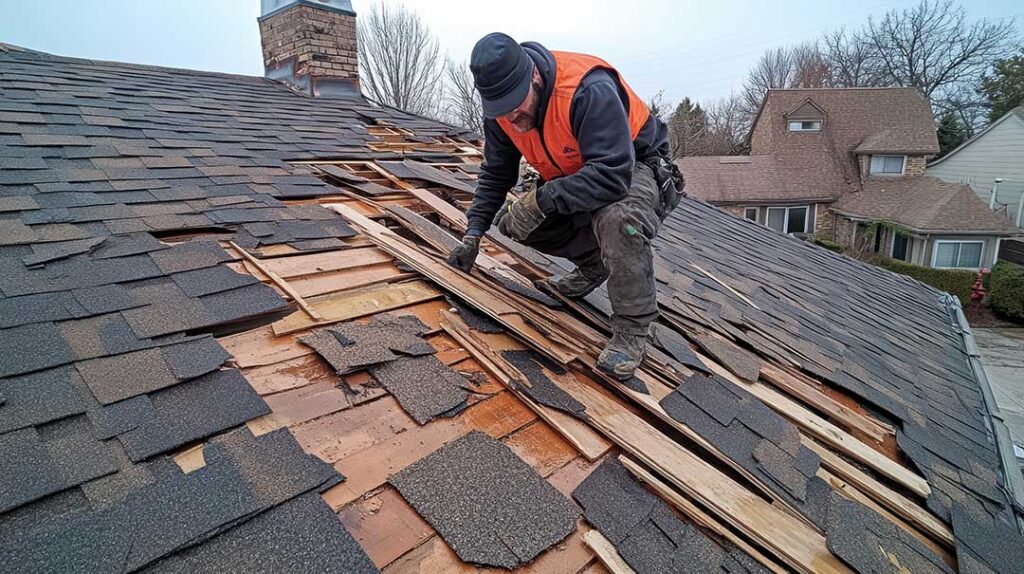
A baseball, tennis ball, soccer ball, or basketball can do more than leave a mark when it lands on a roof. Depending on the ball’s size, speed, angle, and the roof’s condition, the impact may loosen granules, crack a shingle, damage flashing, or create a small opening where water can enter.
For homes in Greene, NY, this type of damage can be easy to overlook. Seasonal temperature changes, snow, ice, and wind may worsen a minor impact injury before it becomes visible from inside the house.
Can a sports ball really damage a roof?
Yes. A sports ball can damage roofing materials, especially when thrown, kicked, hit with a bat, or launched from close range.
The risk depends on several factors:
- Ball type: Baseballs, softballs, lacrosse balls, and hockey pucks are dense and can deliver concentrated force.
- Speed: A ball traveling from a bat or strong kick can strike with much more energy than one tossed by hand.
- Roof material: Asphalt shingles, wood shakes, slate, metal panels, and low-slope membranes respond differently to impact.
- Roof age: Older roofing materials may be less flexible and more vulnerable to cracking or granule loss.
- Impact location: A hit near a roof edge, valley, vent, skylight, or flashing detail may cause more concern than an impact in the middle of a healthy shingle.
A ball does not need to break through the roof deck to cause a problem. Damage to the outer roof covering can reduce water resistance and expose areas that were designed to remain protected.
Which sports balls are most likely to cause damage?
Dense, hard balls pose the greatest risk, particularly when they are moving quickly.
A baseball or softball can bruise or fracture an asphalt shingle. A lacrosse ball can create a similar concentrated impact because it is small, hard, and often thrown at high speed. A hockey puck can be especially damaging because of its weight and rigid shape.
A soccer ball, basketball, or volleyball is generally less likely to break a sound roof covering when kicked or thrown by hand. However, repeated impacts in the same location may still remove granules or weaken a shingle. A partially inflated ball can also behave differently from a fully inflated one, especially in cold weather.
Tennis balls and similar lightweight balls usually cause cosmetic marks rather than serious damage, but repeated use near a roof edge, dormer, or vent can still create problems.
What kinds of roof damage can occur?
The most common damage is not always a dramatic hole. Impacts may cause subtle defects that develop into leaks later.
Granule loss
Asphalt shingles are covered with small mineral granules that protect the underlying material from sunlight and weather. A hard impact can knock granules loose, leaving a dark or rough-looking spot.
A small area of granule loss may not cause an immediate leak, but it can expose the asphalt to faster aging. If the impact also creates a depression or crack, water resistance may be reduced.
Cracked or split shingles
A direct hit can split the surface of a shingle or fracture the reinforcement beneath it. Cracks may run vertically, horizontally, or from the edge toward the center.
Cold conditions can increase the risk because some roofing materials become less flexible in low temperatures. A shingle that absorbs an impact without obvious damage during warm weather may crack more easily during a cold-season game.
Lifted or displaced shingles
A ball can loosen a shingle without removing it completely. The edge may lift, the adhesive strip may release, or the shingle may shift out of alignment.
Once a shingle is loose, wind can catch the edge. Snow, ice, and repeated freeze-thaw cycles can then make the displacement worse.
Damaged flashing
Flashing protects joints where the roof meets a wall, chimney, vent, skylight, or other raised feature. These areas may be made of metal or flexible membrane materials.
A ball striking flashing can bend it, separate a seal, or loosen a fastener. Because flashing defects are often located near roof penetrations, even a small opening can allow water into the roof assembly.
Damage to low-slope roofing
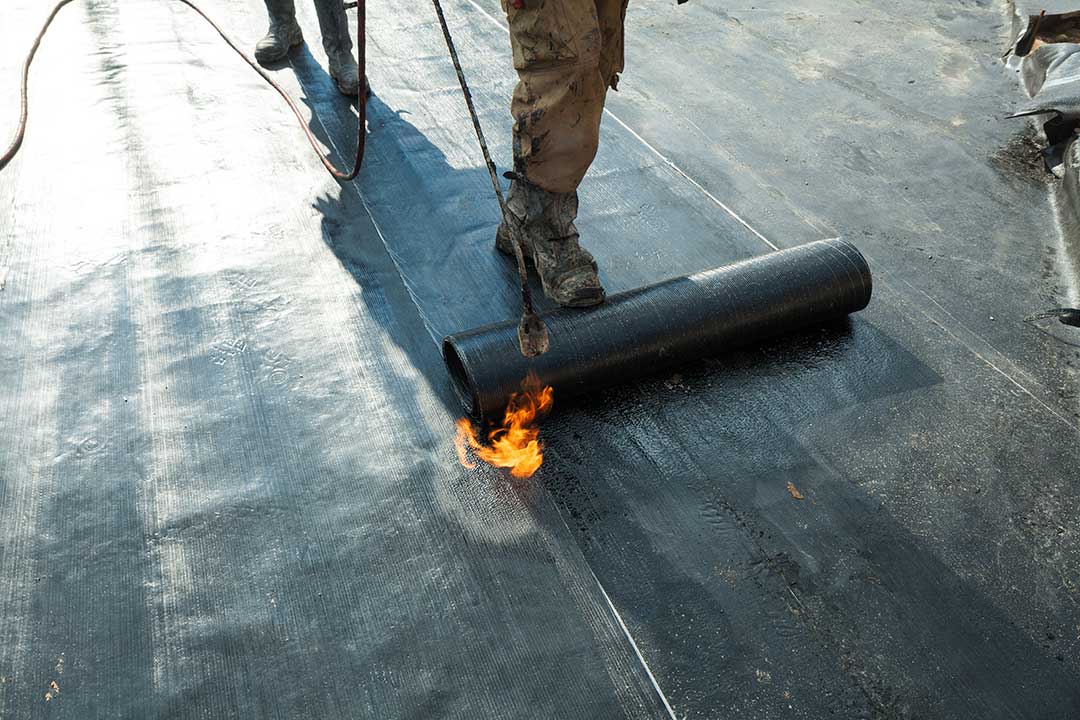
Some additions, porches, garages, and entry areas have low-slope roofs covered with membrane materials instead of traditional shingles. A sharp or heavy object can puncture these membranes.
Punctures may be difficult to see from the ground. Pooling water on a low-slope section can make the consequences more serious because water may remain near the damaged area for longer periods.
How can a homeowner check for damage safely?
A ground-level inspection is the safest first step. Look for changes that were not present before the ball struck the roof.
Useful signs include:
- Loose, curled, or missing shingle tabs
- A dark depression or exposed asphalt area
- Fresh granules in gutters or on the ground
- A crack, puncture, or split near the impact location
- Bent flashing around a vent, chimney, skylight, or roof edge
- Water stains on ceilings or upper walls
- Damp insulation, musty odors, or peeling interior paint
Binoculars can help with a closer look from the ground. Walking on a roof to inspect a suspected impact can cause additional damage and creates a fall hazard, particularly when shingles are wet, icy, steep, or covered with moss.
A ceiling stain may not appear directly below the damaged spot. Water can travel along roof decking, rafters, insulation, or wall framing before becoming visible indoors.
Should a small mark be treated as an emergency?
Not every mark requires immediate emergency action, but a puncture, active leak, exposed underlayment, or displaced shingle should be treated promptly.
Place a container beneath an active drip and move belongings away from the area. Do not climb onto the roof during rain, snow, high winds, or icy conditions.
If water is near a light fixture, electrical wiring, or an electrical panel, avoid touching the wet area and use caution around electricity. In that situation, safety takes priority over inspecting the roof.
A harmless-looking bruise or granule-loss spot can usually be documented and monitored while arrangements are made for a proper inspection. Photographs taken from the ground, along with the date and circumstances of the impact, can help establish whether the damage is recent.
Can seasonal weather make sports ball damage worse?
Yes. A roof that appears to have only minor impact damage may deteriorate through the seasons.
In Greene, winter cold can make some roofing materials more brittle. Snow and ice may remain on shaded roof surfaces, and repeated freezing and thawing can enlarge small cracks. Spring rain can then expose leaks that were not noticeable during winter.
Wind is another factor. A loosened shingle may remain in place until a gust lifts it. Once the protective surface is disturbed, water can reach the layers beneath.
For that reason, a sports-ball impact should receive extra attention before winter or after a major weather change, even if no interior leak is visible.
How can future damage be reduced?
The most effective prevention is to keep ball play away from the roof line. A backyard play area should be positioned so that bats, goals, rebounders, and throwing lanes do not direct balls toward the house.
Additional precautions include:
- Avoiding batting or lacrosse practice toward the home
- Using a suitable net in areas where hard balls are regularly hit
- Keeping portable goals and rebound equipment pointed away from roof surfaces
- Moving play areas when seasonal conditions make the ground slippery
- Checking roofs after an unusually hard impact rather than assuming no damage occurred
Impact-resistant roofing materials may tolerate some types of force better than standard materials, but no roof is designed to withstand every sports impact. Impact ratings are based on controlled testing and should not be interpreted as a guarantee against damage from a baseball, puck, or other object.
The practical question is not whether a roof looks intact from the yard. It is whether the impact damaged the roof’s water-shedding surface, protective layers, or flashing. A careful ground inspection and timely attention to visible changes can help prevent a small impact from becoming a larger moisture problem.
