
What Are Roof Fire Ratings?
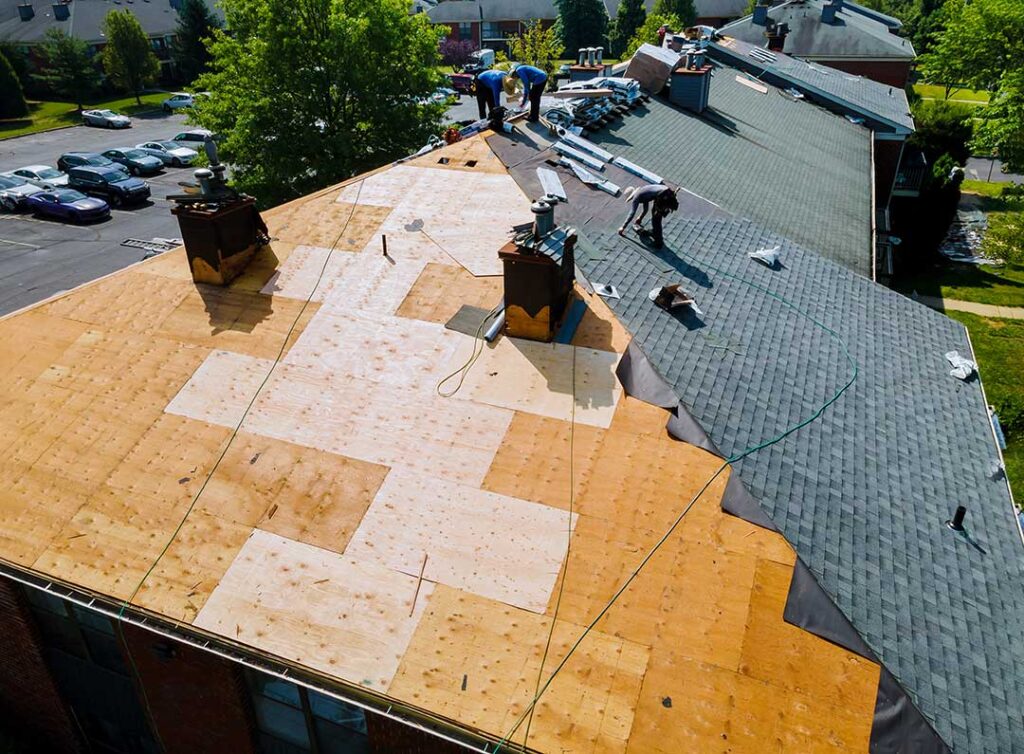
Roof fire ratings are a standardized system used to measure how well roofing materials can resist fire. In Greene, NY, these ratings help property owners understand the level of protection a specific roofing option provides if exposed to fire from sources like wind-driven wildfires, lightning strikes, or chimney sparks. The ratings, developed by national safety organizations, classify roofs into three main categories: Class A, Class B, and Class C.
- Class A: Offers the highest resistance to fire, meaning the material can withstand severe exposure.
- Class B: Provides moderate protection, suitable for exposure to moderate fire sources.
- Class C: Has the minimum required resistance, capable of handling light fire exposure.
Why Do Roof Fire Ratings Matter in the Greene Area?
A roof’s fire resistance impacts local safety, building code compliance, and sometimes insurance rates. Greene, NY, has a mix of rural and village homes surrounded by trees and open land, increasing risks from brush fires, outdoor burning, and lightning during summer storms. Many homes also have wood stoves or fireplaces, elevating the chance of stray sparks.
A roof with a high fire rating will:
- Slow the spread of fire, allowing more time for evacuation and emergency response.
- Reduce the potential for extensive property damage.
- Sometimes meet local building code standards for new construction or major renovations.
How Are Roof Fire Ratings Determined?
The ratings are assigned through laboratory testing, where roofing assemblies are subjected to controlled fire exposures. For example:
- Burning brands (simulated embers) are placed on roofing panels.
- Flames and heat are applied to see how much fire penetrates or spreads.
- Test results reflect the entire roofing system, not just the outer material.
Manufacturers must have their materials and assemblies tested by organizations like Underwriters Laboratories (UL) before they can be classified.
What Common Materials Are Used and How Do They Rate?
In the Greene area, the most popular roofing materials include asphalt shingles, metal, wood shakes, and slate. Their typical fire ratings are:
- Asphalt Shingles: Most fiberglass-based shingles are Class A if installed in a complete assembly; organic mat types may be lower.
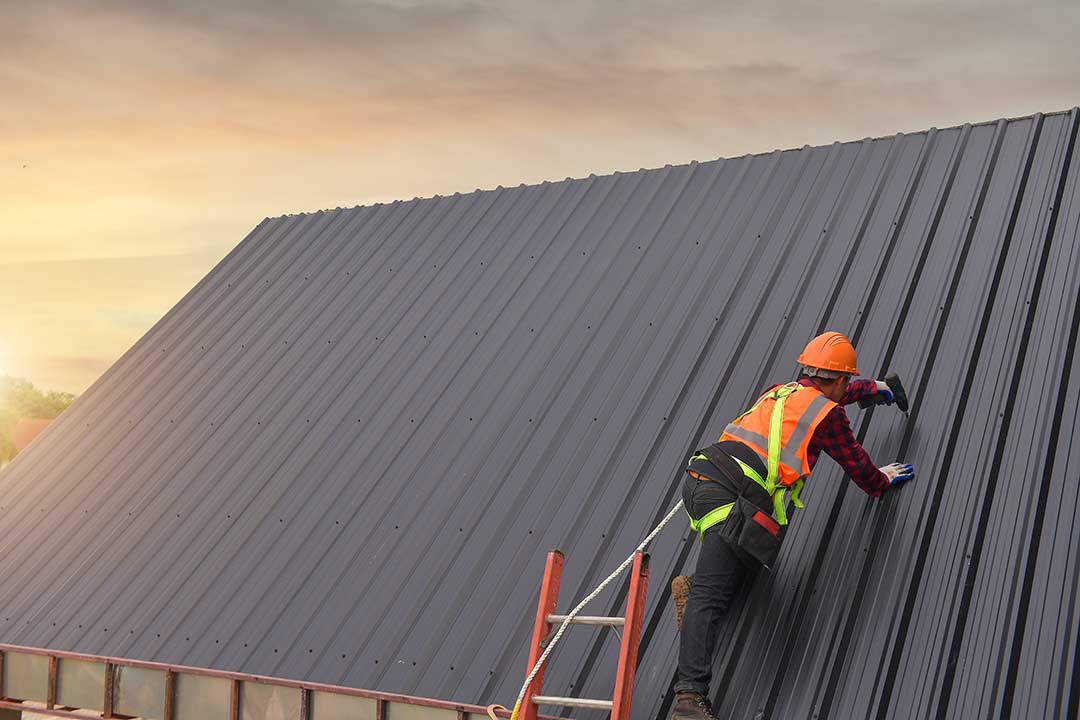
- Metal Roofing: Almost always Class A because metal does not ignite or spread flames.
- Wood Shakes/Shingles: Usually Class C, but some products are pressure-treated to reach Class A or B; regular wood is the least fire-resistant.
- Slate and Clay Tile: Both are naturally Class A, resisting ignition and heat.
Many households assume the "appearance" of a roof indicates safety, but ratings rely on material properties plus underlayment and installation.
Are There Local Building Code Requirements for Roof Fire Ratings?
Construction in Greene, NY is overseen by a combination of state and local regulations. For residential dwellings, New York State adopts International Building Code (IBC) and International Residential Code (IRC) requirements. These codes usually mandate a minimum of Class C fire rating for roofing materials. In areas with higher wildfire risk or densely built neighborhoods, Class A may be recommended or required for new builds and major roof replacements.
Check with the Greene building department for the latest code interpretations, especially if constructing an outbuilding, extension, or replacement near wooded zones.
Does a Higher Fire Rating Affect Home Insurance?
Most insurance carriers factor roof fire resistance into policy risk calculations, especially in regions where wildfires or brush fires occasionally occur. In Greene:
- Having a Class A roof may lead to more favorable insurance terms.
- Wood shake or older organic shingle roofs might face higher premiums or coverage limits.
- Some insurers ask for documentation about roof assembly and fire rating.
- During property sales, buyers often ask for roof fire resistance information.
Homeowners considering an upgrade might want to ask their insurance provider about potential discounts or requirements related to fire-resistant roofing.
Practical Considerations for Local Households
When planning a new roof or roof repair in Greene, area residents often balance cost, appearance, and safety. Here are practical considerations:
- Snow and Ice: In addition to fire rating, think about how a roof performs under heavy snow and ice, as this is a common seasonal hazard in the region.
- Historic Homes: Some older homes feature wood shakes for historical accuracy. Ask about fire-retardant treatments if preserving the original look matters.
- Accessory Structures: Sheds or barns near wooded areas also benefit from fire-resistant materials, which can prevent total loss during a brush fire.
- Chimneys and Stoves: Chimney spark arrestors and regular maintenance are important, but a Class A roof adds another layer of protection, especially on homes using wood-burning heat sources.
Common Misconceptions About Roof Fire Safety
Several myths persist about fire resistance in roofing:
- "Metal roofs attract lightning." In reality, metal roofs don’t increase the likelihood of lightning strikes, and their Class A rating often improves fire safety.
- "Only the top layer matters." The overall assembly—including underlayment and deck—determines fire rating.
- "Any treated wood is good enough." Not all treatments elevate a wood roof to Class A; look for proper test documentation.
Local Resources for Staying Informed
Residents can stay updated through:
- The Greene building code office for local regulations and code guidance.
- New York State Fire Prevention and Building Code updates posted online.
- Community safety initiatives or seasonal reminders from local fire departments regarding brush burning and home fire safety.
