
What should be documented before an insurance claim?
Document the condition of the roof, interior, belongings, weather event, and any temporary protection completed after the damage. Clear records help show what happened, when it happened, and what condition the property was in before repairs or cleanup.
In Greene, NY, roof problems may follow high winds, hail, falling branches, heavy rain, snow accumulation, ice, or rapid changes between freezing and thawing temperatures. The cause matters because insurance coverage depends on the policy language and the type of loss.
Begin documenting as soon as it is safe. Do not climb onto a wet, icy, steep, or visibly unstable roof.
How can roof damage be photographed safely?
Start from the ground and use a phone or camera with a date and time setting. Take more photographs than seem necessary. A single close-up of a torn shingle may not show where the damage is located or how extensive it is.
Useful exterior photographs include:
- Wide views of every roof slope
- Roof edges, ridge caps, valleys, vents, chimneys, and flashing
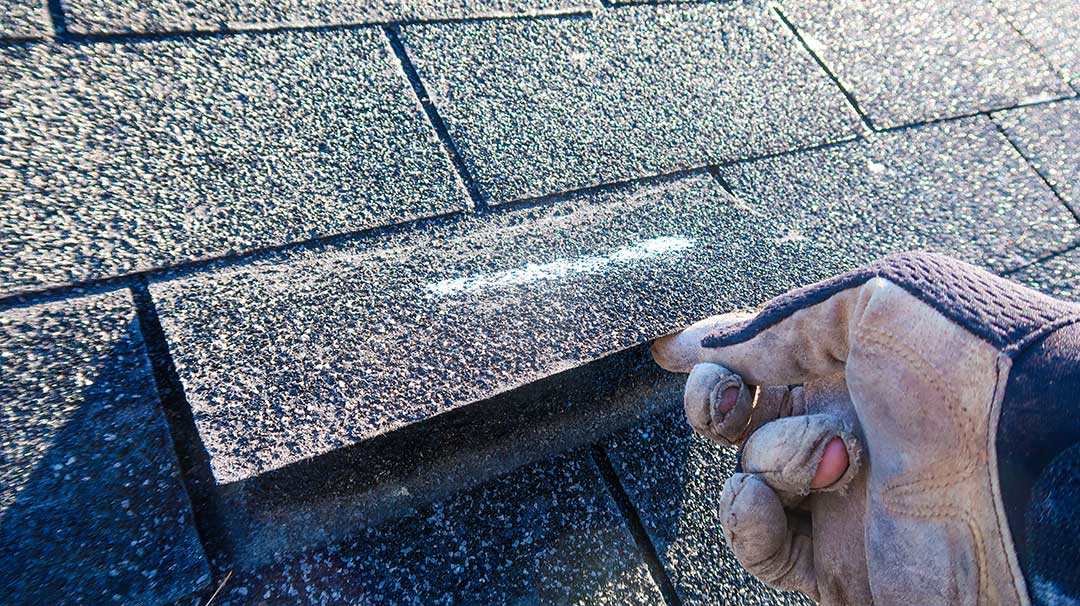
- Missing, lifted, creased, cracked, or punctured roofing materials
- Fallen branches, tree limbs, or other objects that struck the roof
- Gutters, downspouts, siding, windows, fences, and other related damage
- Shingles or roofing pieces found on the ground
- Hail marks on roof materials, vents, gutters, or outdoor equipment
- Any visible sagging, holes, exposed underlayment, or displaced materials
Take several angles of the same area. Include a fixed object, such as a vent or chimney, to show scale and location. If possible, photograph the entire side of the house first, then take closer images.
Aerial or elevated photographs should only be taken by someone using safe equipment and appropriate precautions. Homeowners should not risk a fall to obtain better evidence.
What should be recorded inside the house?
Interior evidence can show how a roof opening or failed flashing allowed water to enter. Photograph water stains, bubbling paint, damaged drywall, wet insulation, warped flooring, and damage to ceilings or walls.
For each affected room, take:
- A wide photograph showing the room and location of the damage
- Medium-range photographs showing the affected wall or ceiling
- Close-ups of stains, cracks, peeling surfaces, or damaged materials
- Photographs of furniture, electronics, clothing, tools, or other belongings affected by water
- Images of buckets, tarps, or other temporary measures used to control the leak
Do not discard damaged belongings before photographing them unless they create a health or safety hazard. If an item must be removed, photograph it first and keep it when practical.
How should the date and cause of the damage be documented?
Write down the date and approximate time the damage was first noticed. If a storm occurred, record what was observed: strong wind, hail, heavy rain, falling branches, ice buildup, or snow loading.
A simple event record can include:
- Date and approximate time of the storm
- Weather conditions noticed at the property
- When the first leak, missing shingle, or other problem appeared
- Rooms or areas affected
- Actions taken immediately afterward
- Names of people who observed the damage
- Dates of inspections, calls, emails, and claim communications
Do not guess about the technical cause. Describe what was seen rather than making a definite statement such as “the entire roof failed because of wind.” For example, “shingles were found in the yard after the evening windstorm” is more useful and precise.
Weather information can help establish timing, but it does not prove that every roof problem was caused by that event. An insurer may also consider the roof’s age, maintenance history, previous repairs, and pre-existing wear.
What records should be saved?
Keep all claim-related information in one digital folder and, if possible, a paper file. Save original photographs rather than only screenshots or edited copies.
Important records may include:
- The insurance policy and declarations page
- Photographs and videos from before and after the damage
- Roofing invoices, warranties, inspection reports, and maintenance records
- Receipts for tarps, plastic sheeting, emergency materials, or temporary labor
- Written repair estimates and invoices
- Receipts for damaged personal property
- Proof of ownership, purchase dates, and approximate values
- Emails, letters, claim numbers, and notes from telephone calls
- Records of temporary lodging or additional expenses, if the home became unsafe to occupy
For damaged belongings, create an inventory with the item description, approximate age, purchase price if known, current condition, and estimated replacement cost. Photographs of rooms taken before a loss can be especially helpful because they may show furniture, appliances, and other contents that were present.
What temporary repairs should be made?
Temporary repairs should prevent additional damage while preserving evidence. A tarp, temporary covering, or container placed under a leak may be reasonable if it can be done safely.
Do not make permanent repairs, remove large sections of roofing, or dispose of damaged materials before the insurer has had a reasonable opportunity to inspect, unless immediate action is necessary to protect people or prevent worsening damage.
Keep receipts for emergency materials and document the work with photographs. Record what was done, when it was done, and which area it protected. Temporary repairs do not guarantee reimbursement, so keep them limited to necessary protection and follow the policy’s reporting instructions.
If the roof is sagging, a ceiling is bulging, electrical fixtures are wet, or a tree has damaged structural components, stay clear of the area. Safety takes priority over documentation.
Should the roof be cleaned before photographs are taken?
Usually, no. Removing shingles, branches, hail evidence, or other debris too soon can make it harder to show the original condition. Photograph the damage before cleanup whenever possible.
Some cleanup may be necessary if broken glass, exposed nails, unstable debris, or contaminated water creates an immediate hazard. Photograph the condition first, then keep removed materials when practical. If something must be thrown away, document why and photograph it before disposal.
Avoid washing away mud, moving large debris, or making cosmetic changes until the damage has been recorded. A clean-looking roof after emergency work may not clearly show what occurred.
What should be asked when reporting the claim?
When notifying the insurer, provide the date of loss, a straightforward description of what was observed, and information about any urgent safety measures. Ask for the claim number, inspection process, required documents, and deadlines stated in the policy.
Important questions include:
- What deductible may apply?
- Is temporary protection covered?
- Should damaged materials be retained for inspection?
- What documentation is required for personal belongings?
- Is additional living expense coverage available if the home cannot be safely occupied?
- Are there special reporting requirements for wind, hail, or other storm losses?
Coverage varies by policy. Roof age, exclusions, deductibles, maintenance conditions, and the distinction between sudden damage and long-term deterioration can affect the claim. A leak discovered after a storm is not automatically proof that the storm caused all related damage.
What common documentation mistakes should be avoided?
The most frequent problems are incomplete photographs, missing receipts, vague descriptions, and repairs made before an inspection. Another mistake is presenting old deterioration as new storm damage or assuming that every visible defect belongs to the same loss.
Avoid exaggerating the extent of damage. Do not alter photographs, remove identifying details from original files, or rely only on verbal conversations. Keep communication factual and written whenever possible.
A careful record does not guarantee coverage, but it gives the insurer a clearer basis for evaluating the loss. It also helps residents keep track of repairs, expenses, and property conditions during a stressful period.
