
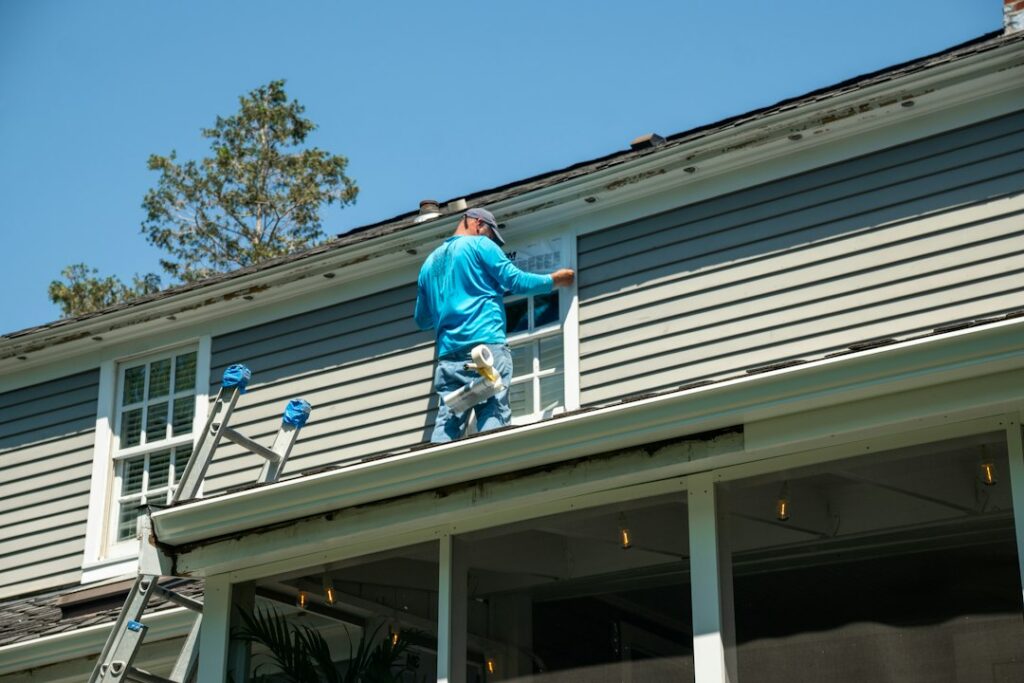
Regular roof maintenance helps protect a home from leaks, moisture damage, insulation problems, and premature roof replacement. For residents of Greene, NY, routine care is especially useful because roofs must withstand snow, ice, wind, rain, freeze-thaw cycles, and occasional late-season storms.
Maintenance does not mean repairing every minor imperfection immediately or replacing a roof before its useful life ends. It means observing changing conditions, keeping drainage paths clear, and addressing small problems before they become larger and more expensive.
What does regular roof maintenance include?
Regular roof maintenance is a series of inspections and simple upkeep tasks performed throughout the year. It includes both the roof surface and the systems connected to it, such as flashing, gutters, attic ventilation, and drainage.
Typical maintenance may include:
- Looking for missing, cracked, curled, or displaced shingles
- Checking metal flashing around chimneys, vents, skylights, and wall intersections
- Removing leaves, branches, and other debris from roof areas where it collects
- Cleaning gutters and downspouts so water can drain away from the house
- Examining attic spaces for damp insulation, staining, mold-like growth, or daylight
- Checking for damaged vent covers, loose pipe collars, or exposed fasteners
- Trimming branches that rub against the roof or drop heavy debris onto it
The goal is not simply to make the roof look clean. A roof can appear acceptable from the ground while hidden damage is developing around flashing, valleys, eaves, or attic penetrations.
How does maintenance help prevent leaks?
Most roof leaks begin at vulnerable details rather than in the middle of an undamaged shingle field. Flashing joints, roof valleys, vent openings, skylights, and chimney areas are exposed to repeated movement from temperature changes and weather.
Regular observation can identify warning signs such as:
- Water stains on ceilings or upper walls
- Damp or compressed attic insulation
- Peeling paint near the top floor
- Musty odors after rain
- Rusted metal around roof penetrations
- Granules collecting in gutters
- Shingles that appear lifted, brittle, or uneven
Finding these signs early may allow a limited repair before water reaches framing, insulation, drywall, or electrical components. Once moisture enters building materials, the problem can continue even after the original roof opening is no longer obvious.
Why is roof maintenance particularly useful in Greene, NY?
The local climate places repeated stress on roofing materials. Snow commonly affects the region from late fall into spring, while rain, wind, and changing temperatures occur throughout the year. Winter conditions can be followed by quick thaws and refreezing, creating movement in shingles, flashing, gutters, and ice at the roof edge.
Snow and ice can contribute to several problems:
- Heavy accumulation adds weight to roof framing and coverings.
- Melting snow can expose weak flashing or damaged shingles.
- Ice dams may form when heat escapes into a cold attic or when roof drainage is blocked.
- Freeze-thaw cycles can enlarge small cracks in masonry, sealants, and roofing materials.
- Wet leaves and debris can hold moisture against the roof surface.
A maintenance check before winter and another review after the snow and ice season can reveal damage that is difficult to see during storm conditions.
Can maintenance extend the life of a roof?
Regular maintenance may help a roof reach its expected service life, although it cannot stop normal aging or correct poor installation. Roofing materials deteriorate more quickly when water remains trapped, ventilation is inadequate, branches scrape the surface, or small openings are left unrepaired.
For example, a minor flashing gap may allow repeated wetting of the roof deck. The shingles above it may still look serviceable, but the underlying wood can weaken over time. Similarly, clogged gutters may cause water to back up beneath the roof edge or saturate fascia and soffit materials.

Maintenance supports longer roof performance by reducing avoidable stress. It also provides a record of how the roof is changing, which can make future repair or replacement decisions more predictable.
What role do gutters and downspouts play?
Gutters are part of the roof drainage system, so their condition affects more than exterior appearance. When gutters are blocked or improperly pitched, water may spill over the edge, soak siding, erode soil near the foundation, or collect around roof edges.
Downspouts should direct water far enough away from the foundation to prevent repeated saturation. Extensions may be useful where the existing discharge point leaves water close to the house.
After autumn leaf fall, heavy storms, and spring thaw, residents should look for:
- Sagging or separated gutter sections
- Water spilling over the front edge
- Pools forming below downspouts
- Streaks or staining on exterior walls
- Ice buildup along the eaves
- Fasteners pulling away from fascia boards
Gutter cleaning can involve ladders, slippery surfaces, and unstable footing. If access is hazardous, the task should not be attempted without appropriate safety equipment and experience.
How should homeowners check the attic?
The attic often provides earlier evidence of roof trouble than the living areas below. A brief visual check can reveal moisture that has not yet produced a ceiling stain.
Look for darkened wood, damp insulation, water marks, rusted nails, frost, or daylight entering through areas that should be sealed. Pay attention after heavy rain, strong wind, or rapid snowmelt.
Attic ventilation and insulation also affect winter roof performance. Warm, moist air moving into a cold attic can contribute to condensation and frost. Uneven roof temperatures may increase the possibility of melting and refreezing snow near the eaves. Ventilation should not be treated as a substitute for proper air sealing, insulation, or safe snow management; these components work together.
How often should a roof be inspected?
A practical schedule is to visually review the roof and drainage system at least twice a year: once in spring after winter weather and again in early fall before the colder season. Additional checks are sensible after high winds, heavy snow, fallen branches, or unusually strong storms.
A ground-level inspection can safely identify many concerns using binoculars. Walking on a roof is riskier and may damage aging shingles, so roof access should be limited to people equipped and trained to work safely at height.
Some conditions require prompt attention, including active leaks, sagging roof areas, damaged electrical components, large sections of missing roofing, or heavy snow accompanied by structural movement. Safety and building protection take priority over routine maintenance in these situations.
Does roof maintenance save money?
Maintenance cannot guarantee that major repairs will never be needed, but it can reduce avoidable damage and improve planning. A small repair is generally less disruptive than replacing soaked insulation, deteriorated roof decking, damaged ceilings, or rotted exterior trim.
Routine inspections can also help homeowners distinguish between normal aging and urgent defects. That makes it easier to budget for eventual replacement instead of waiting for a leak during a storm or freezing weather.
The most useful approach is consistent observation, timely correction of minor problems, and careful attention to the roof’s drainage and attic conditions. For homes in Greene, NY, that routine is a practical way to prepare for changing seasons and preserve the building envelope over time.
