
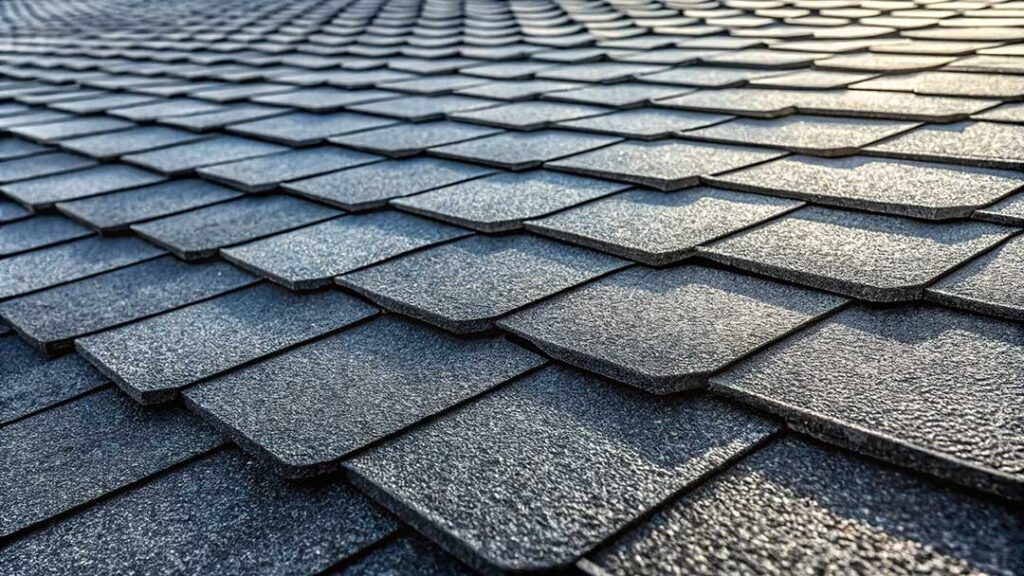
Solar panels can work well on many homes in Greene, NY, but the condition, design, and location of the roof matter as much as the panels themselves. A sound installation begins with evaluating the roof’s remaining service life, structural capacity, drainage, snow exposure, and future maintenance needs.
Is the roof ready for solar panels?
A roof should usually have enough useful life remaining to avoid removing and reinstalling the panels soon after installation. If asphalt shingles are already near the end of their expected service life, replacing the roof first may be more practical than placing solar equipment over aging materials.
Look for signs that deserve attention before solar planning:
- Curling, cracked, brittle, or missing shingles
- Repeated leaks or stained roof decking
- Sagging roof lines
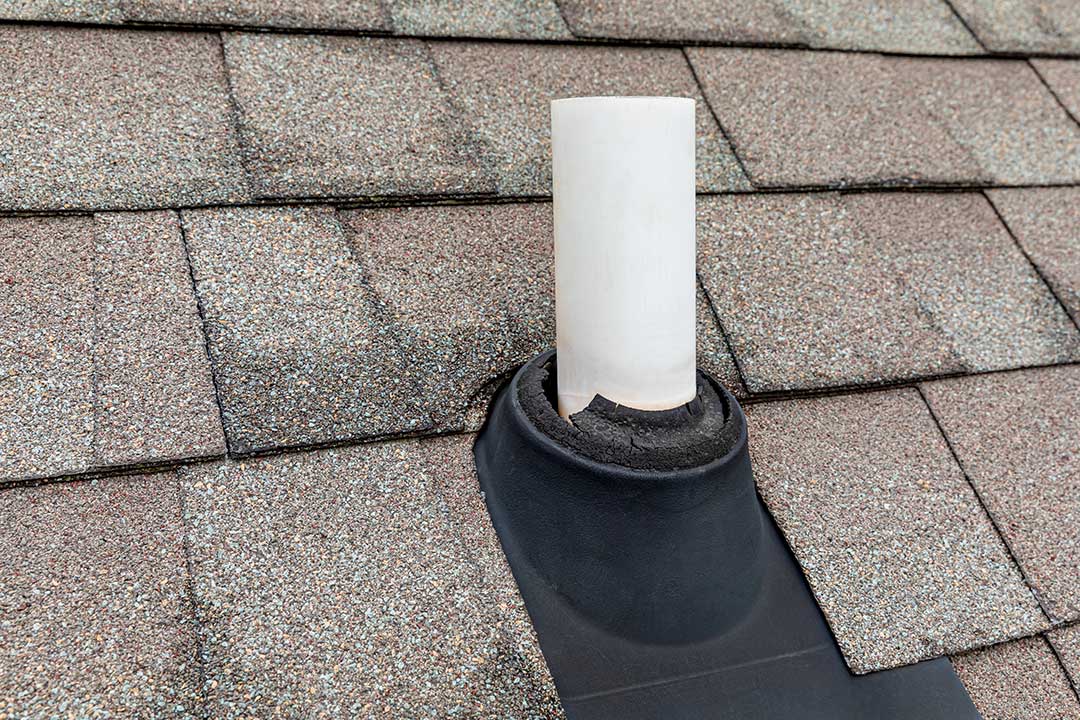
- Damaged flashing around chimneys, vents, and roof edges
- Soft areas in the decking
- Moss or moisture damage that has affected the roofing materials
Solar panels may protect portions of a roof from direct sunlight, but they do not correct an underlying roofing problem. Leaks, weak decking, and deteriorated flashing still need to be addressed.
A roof does not necessarily need to be brand new. The practical question is whether the roof is expected to remain reliable for a substantial portion of the solar system’s service life.
Can the roof support the added weight?
Most sound residential roofs can be designed to support a properly installed solar array, but that should not be assumed without evaluation. Panels, rails, mounting hardware, and accumulated snow all contribute to the load.
Greene experiences winter conditions that can include snow, ice, freeze-thaw cycles, and drifting around roof obstructions. Solar equipment can create areas where snow behaves differently, especially near raised edges, roof transitions, parapets, chimneys, and other objects that affect wind movement.
A structural review may consider:
- The age and construction of the roof framing
- Rafter or truss size and spacing
- Existing roofing layers
- The weight of the proposed system
- Local snow and wind requirements
- Areas where snow may drift or accumulate
A small amount of additional permanent weight is not the only issue. Temporary snow loads and uneven accumulation can place greater stress on certain parts of the roof.
Does roof direction or shade make a difference?
Yes. Solar production depends on the amount of sunlight reaching the panels throughout the year, not simply whether the roof faces generally toward the sun.
Trees, neighboring structures, chimneys, dormers, and nearby roof sections can cast shadows. A roof that appears sunny during a summer afternoon may experience significant shade during winter, when the sun follows a lower path across the sky.
Roof sections should be evaluated for:
- Direction and slope
- Morning and afternoon shade
- Seasonal changes in tree coverage
- Chimney and dormer shadows
- Snow cover that may remain on panels
- Available space around roof edges and penetrations
A roof with some shade may still be usable, but the expected energy production should be based on a site-specific assessment rather than a general estimate.
How are panels attached without causing leaks?
Roof-mounted solar systems typically use flashing and attachment points connected to the roof framing. The waterproofing details around those attachments are critical.
A proper installation should preserve the roof’s drainage pattern and avoid directing water toward vulnerable seams. Mounting locations should be coordinated with existing vents, skylights, valleys, chimneys, and roof edges.
Common concerns include:
- Improperly sealed penetrations
- Fasteners that miss structural framing
- Damaged shingles during installation
- Poorly positioned flashing
- Cables resting where water or ice can damage them
- Equipment installed too close to roof edges
Panels themselves generally do not redirect large amounts of water, but the mounting system creates penetrations that must be integrated with the roofing assembly. Inspection and maintenance should include the areas around these attachment points.
What happens with snow and ice?
Solar panels are smooth and can shed snow suddenly when the surface warms. That falling snow can create a safety concern over entrances, walkways, vehicles, decks, or lower roof sections.
Snow guards may be appropriate in locations where sliding snow could strike people or property. Their use depends on roof slope, panel layout, building design, and the areas below the roof.
Homeowners should also avoid climbing onto the roof to clear panels. Walking on roofing materials can cause damage, and removing snow from panels can create electrical and fall hazards. Snow removal decisions should account for the system design, roof access, and safe working practices.
Ice dams are a separate roofing concern. Solar panels do not automatically prevent ice dams, and they may complicate access to portions of the roof where winter problems develop. Adequate attic insulation, air sealing, ventilation, and properly installed roof flashing remain important.
Will solar make future roof repairs harder?
It can. Panels may need to be removed and reinstalled if roofing work is required beneath them. That adds time, coordination, and expense to a future roof replacement.
Before installation, consider whether the roof may need work in the next several years. It is also useful to keep records of:
- The panel layout
- Mounting locations
- Cable routes
- Flashing details
- Equipment warranties
- Roof repairs completed before installation
Those records can help prevent accidental damage during later maintenance.
Solar equipment should not block access to roof drains, vents, required pathways, or areas that need regular inspection. New York building and fire requirements may also affect rooftop access and clearances, so the final layout must meet applicable code requirements.
Are permits and inspections required?
Rooftop solar normally involves building, electrical, and utility procedures. Requirements can vary by the governing jurisdiction and the type of project.
In Greene, roofing work itself may require approval, and solar installations can involve structural plans, electrical documents, inspections, and utility coordination. A system may not be considered complete simply because the panels are physically attached to the roof.
Permitting helps verify issues such as:
- Structural capacity
- Electrical safety
- Roof access and ventilation
- Firefighter pathways
- Equipment placement
- Connection to the electrical system
Requirements can change, so current local instructions should be checked before work begins. Unpermitted work may create problems with inspections, insurance, resale, or future roof repairs.
What should homeowners ask before signing a solar agreement?
A written proposal should explain more than the number of panels and expected energy production. Important roof-related questions include:
- How old is the existing roof, and is replacement advisable before installation?
- Who evaluates the roof framing and snow-load requirements?
- Where will each roof penetration be located?
- What flashing method will be used?
- How will snow sliding be addressed?
- Will panels need to be removed for future roof replacement?
- Who is responsible for damage discovered during installation?
- How are roof and solar warranties coordinated?
- What access will remain for vents, valleys, drains, and inspections?
- Which permits and inspections are included?
It is also wise to ask whether the projected production accounts for shade, snow cover, roof orientation, and seasonal sunlight rather than relying on a broad regional average.
Is a ground-mounted system a better option?
Not always, but it may be worth considering when the roof is old, shaded, structurally complicated, or difficult to access. A ground-mounted system can simplify future roof repairs, though it may require suitable land, additional wiring, site preparation, and compliance with local zoning or setback requirements.
For some households, improving the roof first is the most sensible step. For others, a carefully designed rooftop system may fit the property well. The right choice depends on the building, roof condition, available sunlight, electrical needs, and long-term plans for the home.
A solar array should be treated as part of the roof system and the building’s electrical infrastructure—not as an accessory that can be added without considering the roof beneath it.
