
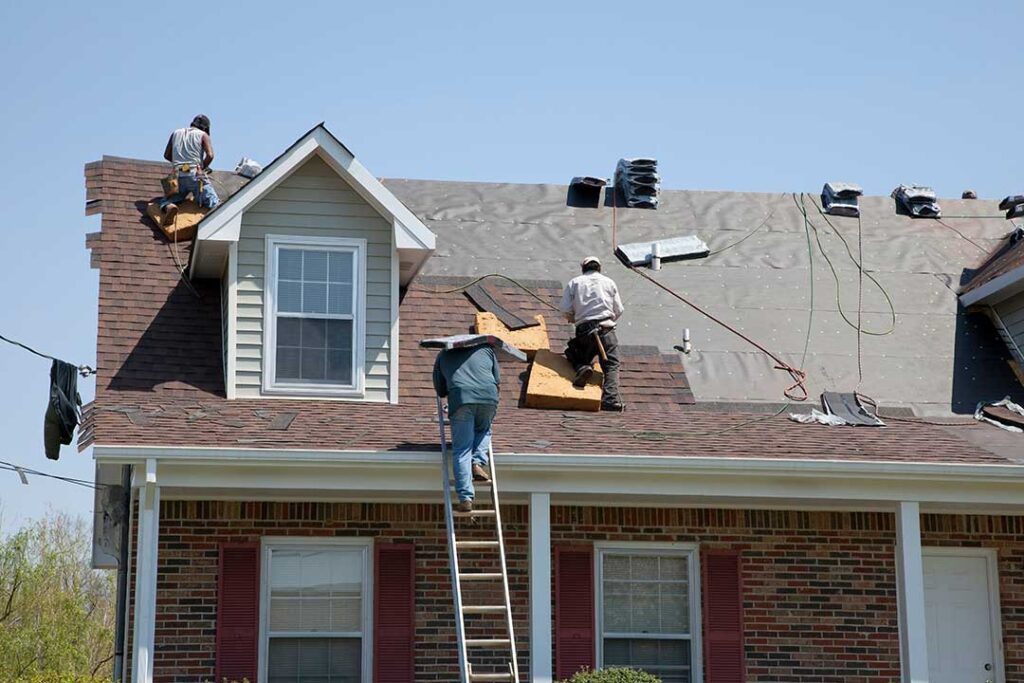
Roof warranty language can be difficult to interpret because several different promises may apply to the same roofing project. A homeowner may have a manufacturer’s warranty for roofing materials, a workmanship warranty from the installer, and separate coverage through a home insurance policy or service agreement.
Understanding who provided each promise, what it covers, and what can end it is the key to assessing coverage.
What does a roof warranty usually cover?
A roof warranty generally covers either a defect in the roofing materials, a problem with installation, or both. These are different forms of protection and should not be treated as interchangeable.
A manufacturer’s warranty usually applies to roofing products such as shingles, underlayment, or ventilation components. It may cover manufacturing defects that cause premature deterioration, unusual granule loss, cracking, or another listed failure.
A workmanship warranty comes from the company or individual who installed the roof. It generally addresses installation errors, such as improperly placed flashing, exposed fasteners, inadequate sealing, or incorrect fastening patterns.
A warranty may promise repair, replacement of defective materials, reimbursement for limited labor, or another remedy. The document should state which remedy applies. A long warranty period does not necessarily mean every repair will be fully paid for.
How can a homeowner identify the warranty provider?
Start by gathering every document connected to the roof project. Useful records may include:
- The original contract or proposal
- A dated invoice or receipt
- The manufacturer’s warranty certificate
- Product packaging or material descriptions
- A written workmanship guarantee
- Inspection reports
- Photos taken during installation
- Records of repairs, cleaning, or maintenance
The warranty provider may be the roofing-material manufacturer, the installer, the builder, or more than one party. The name printed on a shingle package is not necessarily the party responsible for installation defects.
If the roof was installed as part of a home purchase, look through closing documents and seller disclosures. A warranty may transfer to a new owner only if the terms allow it and any required transfer is completed within a specific period.
What information should be checked first?
The most important terms are the effective date, covered defect, duration, exclusions, remedy, and claim procedure.
Check whether coverage begins on the purchase date, installation date, or date of registration. A warranty that says “lifetime” may refer to the expected ownership period of the original purchaser, not an unlimited guarantee that lasts forever.
Look for language describing:
- Defects covered by the warranty
- Whether coverage is full or prorated
- Labor coverage and its duration
- Removal and disposal of failed materials
- Requirements for registration
- Transfer rules when the property is sold
- Required maintenance
- Notice deadlines for claims
- The process for inspection and approval
If the warranty does not clearly list a condition as covered, it should not be assumed to be included. Warranty documents often distinguish between defective materials and damage caused by outside conditions.
Are roof leaks automatically covered?
No. A leak is a symptom, not a diagnosis. The source may be a defective shingle, failed flashing, an open seam, an improperly installed vent, ice-related damage, wind damage, or water entering through an unrelated building component.
A warranty may cover a leak caused by faulty installation but exclude leaks caused by storm damage, poor ventilation, lack of maintenance, alterations, or structural movement.
In Greene, winter snow, ice, repeated freezing and thawing, and wind-driven rain can all affect roof performance. Those conditions do not automatically establish a warranty claim. The cause of the failure must be compared with the warranty’s specific language.
A written inspection report, dated photographs, and records showing when the leak began can help clarify whether the problem appears to involve materials, workmanship, weather, or deferred maintenance.
What common exclusions can limit coverage?
Most roof warranties contain exclusions. Common examples include:
- Hail, wind, falling objects, or other storm damage
- Damage caused by walking on the roof
- Moss, algae, or biological growth
- Poor attic ventilation or excessive interior moisture
- Ice dams or water backup
- Structural movement or improper framing
- Damage from later construction or mounted equipment
- Failure to maintain the roof
- Repairs performed without following the warranty procedure
- Use of incompatible materials
- Damage caused by animals, trees, or outside impacts
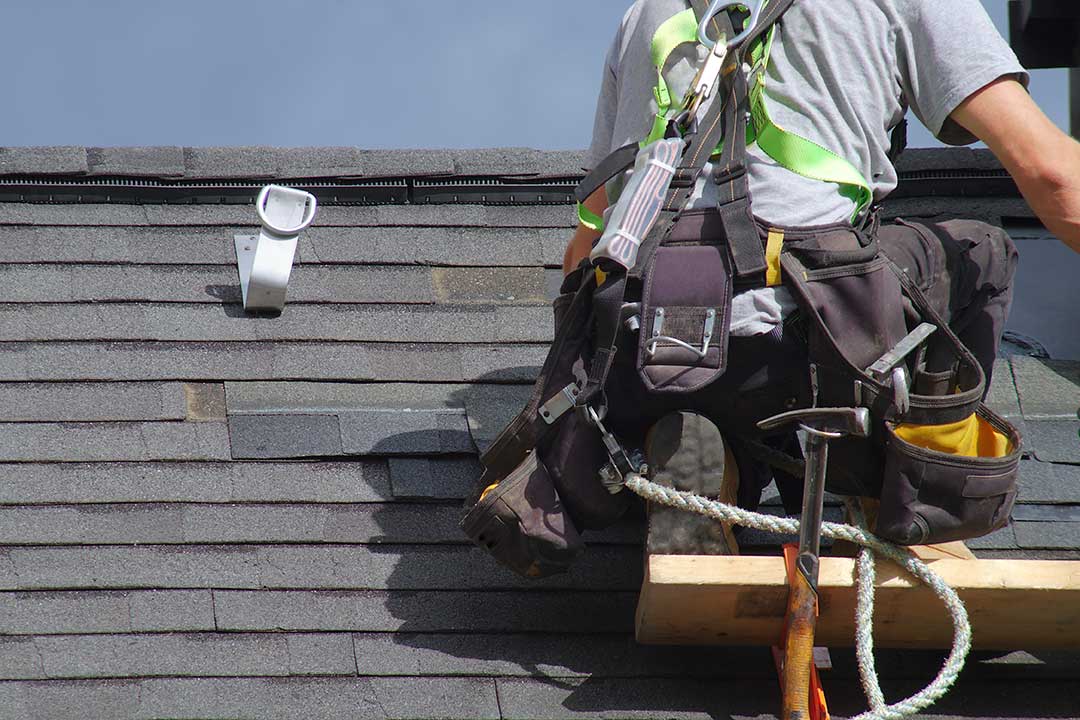
Some exclusions are especially relevant in older homes. A roof may be in generally serviceable condition while the underlying decking, flashing, chimney connection, or attic ventilation has a separate problem. In that situation, replacing a few shingles may not resolve the cause of the leak.
Can maintenance or another repair void a roof warranty?
Routine maintenance does not automatically cancel a warranty, but neglect or unauthorized changes may affect a claim. Warranty terms should be read carefully before arranging repairs.
For example, a document may require prompt notice of a defect, reasonable care to prevent additional damage, or use of approved repair methods. Temporary measures to control interior water damage may be sensible, but permanently altering the roof before the warranty provider has inspected it can make the original condition harder to establish.
Keep receipts and photographs for any maintenance or emergency work. Document the date, location, visible condition, and steps taken. Avoid making broad statements about the cause of damage before it has been evaluated.
A warranty generally cannot be treated as a substitute for ordinary upkeep. Clearing debris from accessible areas, keeping gutters functioning, trimming branches that threaten the roof, and watching attic areas for moisture can help identify problems before they become extensive.
What is the difference between a warranty and homeowners insurance?
A roof warranty usually addresses defects in materials or installation. Homeowners insurance generally addresses sudden, accidental damage caused by covered events, subject to the policy’s exclusions and deductible.
For example, a manufacturing defect may fall under a product warranty, while a covered wind event may be handled through insurance. Wear from age, long-term deterioration, and poor maintenance are commonly treated differently from sudden storm damage.
The two types of coverage can overlap in complicated cases. A roof may have an installation defect that contributes to damage during a storm, or a storm may damage an otherwise properly installed roof. The documents should be reviewed separately rather than assuming that one form of coverage replaces the other.
How should a homeowner document a possible claim?
Begin with a written timeline. Record when the problem was first noticed, whether it followed a storm, and whether the condition has changed.
Photographs should show both broad context and close details. Useful images may include:
- The room or attic area affected by water
- Exterior roof sections visible from the ground
- Missing, lifted, cracked, or discolored materials
- Flashing, vents, valleys, and roof edges
- Water stains and active dripping
- Temporary protective measures
Keep copies of all communications. When submitting a claim, ask the warranty provider to identify the applicable warranty section, inspection process, expected response time, and any costs that may remain the homeowner’s responsibility.
If the roof presents a fall hazard, has active structural damage, or allows significant water entry, safety should take priority over attempting a close visual inspection. Roof surfaces can be especially hazardous during snow, ice, rain, or freeze-thaw conditions.
What should be expected from a warranty review?
A warranty review determines whether the reported condition matches a covered defect. It does not guarantee that every visible problem will be repaired at no cost.
The reviewer may examine installation records, product information, photographs, maintenance history, age-related wear, and the likely source of the problem. The final decision may cover materials but not labor, or labor but not related interior damage. It may also provide a prorated remedy instead of full replacement.
Read any denial carefully. A denial should identify the reason coverage was rejected and the warranty language supporting that decision. If the explanation is unclear, request clarification in writing and preserve the original documents.
For disputes involving substantial damage, unclear contract language, or possible legal rights under New York law, a qualified consumer-protection or legal resource may be appropriate. Warranty documents, contracts, photographs, and payment records will be useful in explaining the situation.
