
How Can Residents Spot the First Signs of Roof Aging?
Early signs of a roof’s aging process are often subtle and can be easy to overlook. In Greene, NY, the climate’s mix of snowy winters, damp springs, and occasional summer heat waves means roofs experience a full range of weather-related stress. Homeowners who watch for changes in their roof’s appearance or performance can catch potential issues early.
- Look for dark streaks, areas where the roof looks blotchy, or subtle color fading.
- Listen for new noises during wind or rain—rattling or drips may indicate deteriorating materials.
- Notice if attic temperatures or humidity levels feel different; declining roofs can affect insulation.
Understanding what’s normal for your specific roof type makes it easier to identify what’s not.
What Aging Signs Appear on Asphalt Shingle Roofs?
Asphalt shingles are the most common residential roofing material in the region. They typically last 15-30 years, but weather extremes and temperature swings familiar to Greene residents can speed up aging.
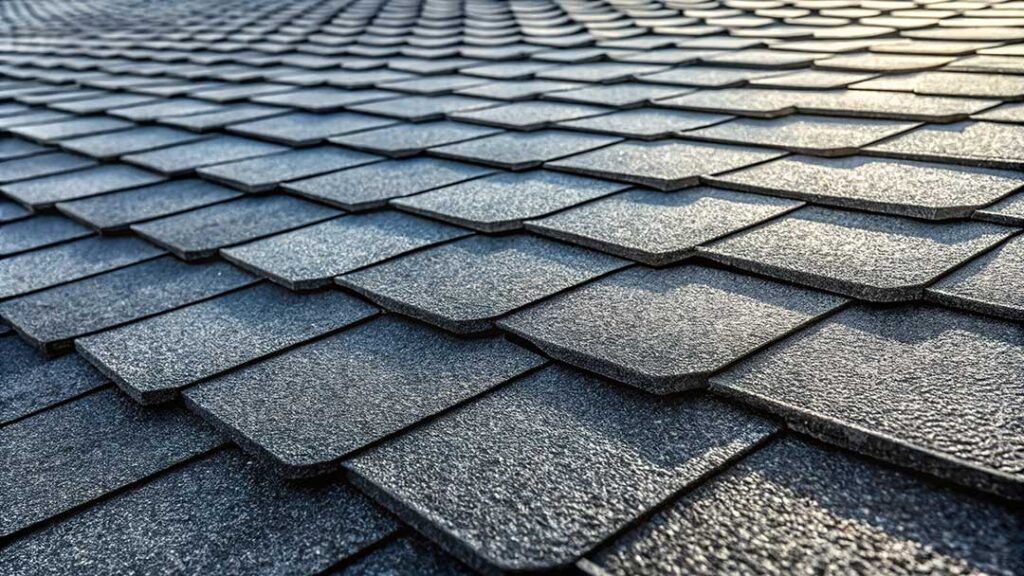
- Granule loss: Shingles shed small granules over time, especially after strong storms or hail. Check downspouts for black or gray specks; heavy accumulation means shingles are nearing the end of their lifespan.
- Curling or clawing: Edges of shingles may start to curl or pull upward when they dry out or lose flexibility. This is often more pronounced on sunny, south-facing slopes.
- Cracking or splitting: Repeated freeze-thaw cycles common in local winters can cause vertical or horizontal cracking.
- Bald spots: Missing granules eventually leave bare patches, exposing the asphalt base. These spots age rapidly when left uncovered.
- Moss or algae streaks: These thrive in shaded or damp areas, especially on north-facing sections. Heavy growth can speed deterioration.
Shingle aging doesn’t always mean leaking, but these symptoms signal that overall protection is declining and repairs or future planning are wise.
How Do Metal Roofs Show Their Age?
Metal roofs are prized for durability and long service life, but even they reveal age eventually—especially in a climate with both humidity and winter freezing.
- Fading or chalking: Protective coatings can lose color and luster from sun and precipitation. A chalky, dusty runoff after rain often means protective finishes are wearing thin.
- Corrosion or rust spots: Areas where the protective paint or coating is nicked (often by falling branches, hail, or foot traffic) may eventually corrode, especially where snowfall accumulates and melts repeatedly over winter.
- Loose fasteners or panels: Warming and cooling cycles can cause panels to expand and contract, resulting in loose screws or shifted seams. Wind whistling or visible lifting are warning signs.
- Oil canning: This is a visible waviness on larger flat metal panels that can appear as the metal thins or the underlayment begins to fail.
Residents often mistake dirt or pollen for rust or chalking, so a closer inspection—at least from the ground or a safe ladder height—can clarify the difference.
What Are Typical Signs of Aging on Clay or Concrete Tile Roofs?
While less common, some area homes—especially those with a historical or unique architectural style—use clay or concrete tiles. These roofs can last 40-50 years, but heavy snow load and freeze-thaw cycles unique to the region can take a toll.
- Cracks or broken tiles: Freezing moisture can expand microscopic cracks until a tile splits or chunks break off.
- Displaced or slipping tiles: Repeated winter cycles can allow tiles to slip out of position, especially near roof edges or valleys.
- Surface erosion: The outer glaze or protective finish may gradually wash away, making tiles appear dull, porous, or roughened.
- Vegetation growth: Lichen or moss growing in tile overlaps can indicate slow water drainage and increased moisture retention.
Tile roofs are especially heavy, so if tiles shift or show advanced aging, it can sometimes be related to settling, structural movement, or underlying moisture issues.
How Do Older Slate Roofs Reveal Deterioration?
Older slate roofs, known for their exceptional longevity, are still found on some century-old homes in the area. These stone-type roofs age differently than manufactured materials.
- Delaminating or flaking: Slate can peel or split along natural layers over decades, especially in roofs exposed to repeated freezing and thawing.
- Slipping or missing pieces: Metal fasteners or nails can corrode, allowing slate pieces to slide out of place.
- Soft, crumbling slate: Over time, some slates can become soft when tapped with a knuckle; these should resist breaking or denting.
- Organic growth: Moss in joints is both a sign of moisture and can accelerate splitting in weakened slates.
Inspecting a slate roof often requires close or professional examination, as individual tiles may look intact from the ground even as small-scale weathering occurs.
Is Aging Different for Flat or Low-Slope Roofs?
Flat or low-slope roofs (often on additions, porches, or certain commercial buildings) rely on materials like modified bitumen, EPDM rubber, or built-up roofing. These roofs tend to age quickly because water drains slowly and small defects can lead to bigger issues.
- Blistering or bubbling: Trapped moisture or air under the membrane shows up as soft, raised bumps.
- Seam separation or cracking: “Alligatoring”—a pattern of cracking resembling alligator skin—indicates the surface is drying out.
- Pooling water: After storms, standing water for 48+ hours can mean the slope or drains need attention, since stagnant puddles speed up material breakdown.
- Loss of surface gravel: Built-up roofs sometimes lose their protective gravel layer, exposing the underlying membrane to sun and weather.
Because leaks on these roofs can develop slowly, owners sometimes notice musty odors, ceiling staining, or a slow loss of insulation’s effectiveness before seeing exterior clues.
Are There Common Aging Clues People Often Miss?
Some indicators of a roof’s advancing age are not as obvious—but can be equally important for homeowners in the city.
- Indoor signs: Brown spots on ceilings or walls, new drafts, or damp attic insulation can suggest the roof’s barrier is failing even without visible leaks.
- Sagging or uneven lines: Aged decking or underlayment sometimes causes dips, especially after heavy snow has compacted areas for several winters.
- Gutter and flashing problems: Dislodged, rusty, or separated flashing can directly lead to leaks but is sometimes mistaken for normal wear.
- Unusual snowmelt patterns: In winter, bare stripes on roofs while neighboring houses stay snow-covered can mean heat loss through aged roofing and diminished insulation.
Regular simple checks, especially after local storm events, can help area residents spot these less obvious signals and address them before they lead to bigger repairs.
