
What does a roof fire rating measure?
A roof fire rating describes how a roof assembly performs when exposed to fire from outside the building. It does not mean that a roof is fireproof, nor does it guarantee that a house will remain undamaged during a major fire.
The rating reflects the performance of the roof covering and related components, such as the underlayment, deck, and installation method. Testing examines how the assembly responds to flame exposure, intermittent flames, and a burning brand placed on the roof surface.
For most homeowners, the key point is simple: the rating belongs to the tested roof system, not necessarily to one material by itself.
What are Class A, Class B, and Class C roofs?
Roof fire classifications indicate increasing levels of resistance to exterior fire exposure:
- Class A provides the highest level of protection against severe fire exposure.
- Class B provides protection against moderate fire exposure.
- Class C provides protection against light fire exposure.
- Nonclassified roofing has not been listed as Class A, B, or C under the applicable testing system.
Class A is commonly associated with asphalt shingles, metal roofing, clay or concrete tile, and slate when installed as part of a tested assembly. The exact rating still depends on the product, roof deck, underlayment, ventilation details, and installation instructions.
A material that appears naturally resistant to fire may not automatically create a Class A roof. For example, metal roofing can have different ratings depending on the type of metal, the supporting deck, the underlayment, and how the panels are installed.
Is the roof covering the same as the roof assembly?
No. This distinction is one of the most common sources of confusion.
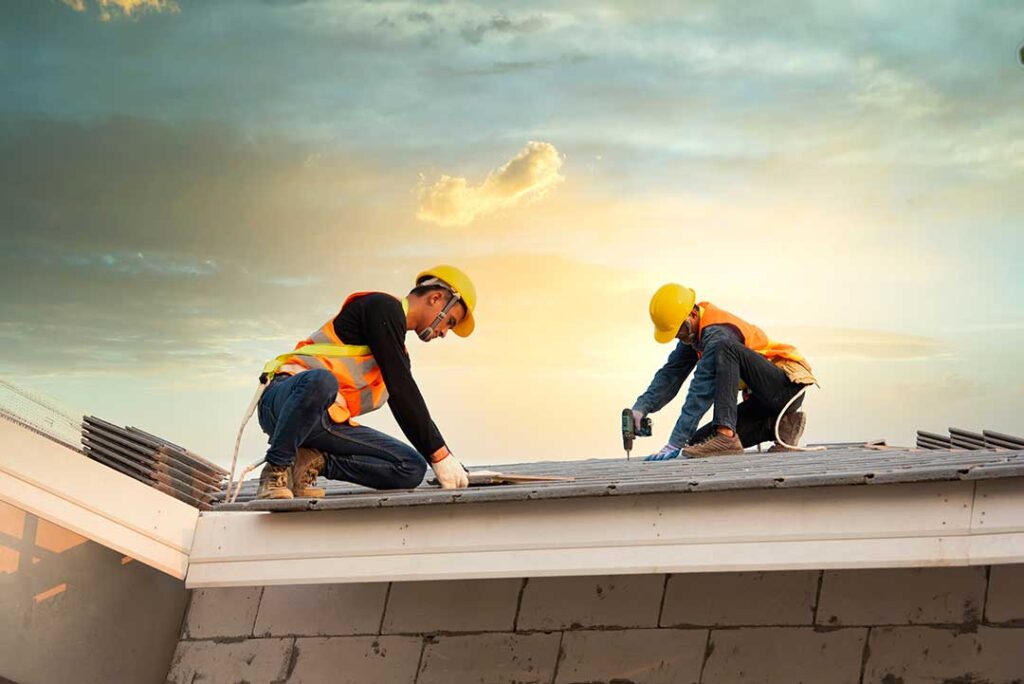
The roof covering is the visible outer layer, such as shingles, panels, tile, or slate. The roof assembly includes the covering plus the underlayment, sheathing or deck, fasteners, and other components used in the tested configuration.
A roof covering may be advertised as having strong fire performance, but changing the underlayment or installation method can affect the classification of the complete assembly. Underlayment can be especially significant when the roof is installed over a combustible wood deck.
For that reason, labels and installation instructions should be checked for the complete tested assembly. Substituting a different underlayment, omitting a required layer, or changing fastening patterns may mean the finished roof no longer matches the listed rating.
What fire-rating rules apply in Greene, NY?
New York’s Uniform Code sets minimum construction requirements, including roof fire classifications in situations covered by the code. As of December 31, 2025, the 2025 New York State Uniform Code is fully effective for regulated building work.
The required classification can depend on factors such as:
- The building’s construction type
- Whether the structure is residential or another occupancy
- The distance between the roof and nearby property lines
- The size and height of the building
- Whether the project is new construction, an alteration, or a repair
- The specific roof system being installed
For many detached one- and two-family homes, the applicable requirements are found in the residential code. Larger, attached, or nonresidential buildings may be governed by different provisions.
A roof replacement is not always treated exactly like new construction. Permit requirements and code obligations can vary based on the scope of work and the percentage of roof area being replaced. Existing conditions, older additions, and changes in building use can also affect the analysis.
Does a Class A roof prevent a house fire?
No. A Class A roof can reduce the chance that an exterior fire exposure will ignite or rapidly spread across the roof, but it cannot prevent every type of fire.
Fire can enter a home through:
- Attic vents and soffit openings
- Broken windows or doors
- Wall assemblies
- Chimneys and roof penetrations
- Attached garages
- Combustible materials stored near the structure
- Embers that enter openings or collect in gutters and roof valleys
In a regional climate with winter heating, wood-burning appliances, electrical equipment, and seasonal outdoor activities, fire safety involves more than the roof covering. Chimney maintenance, proper clearance around heating equipment, and safe storage of combustible materials remain relevant even with a highly rated roof.
Why do roof vents, valleys, and edges matter?
Roof fire performance can be affected by details that are easy to overlook. Openings, seams, penetrations, and transitions may create paths for fire or embers if they are damaged, improperly installed, or incompatible with the roof system.
Areas worth watching include:
- Ridge, soffit, and gable vents
- Plumbing and exhaust penetrations
- Skylights
- Chimney flashings
- Roof-to-wall intersections
- Valleys where leaves and debris collect
- Eaves and overhangs
- Gaps around solar equipment or other rooftop additions
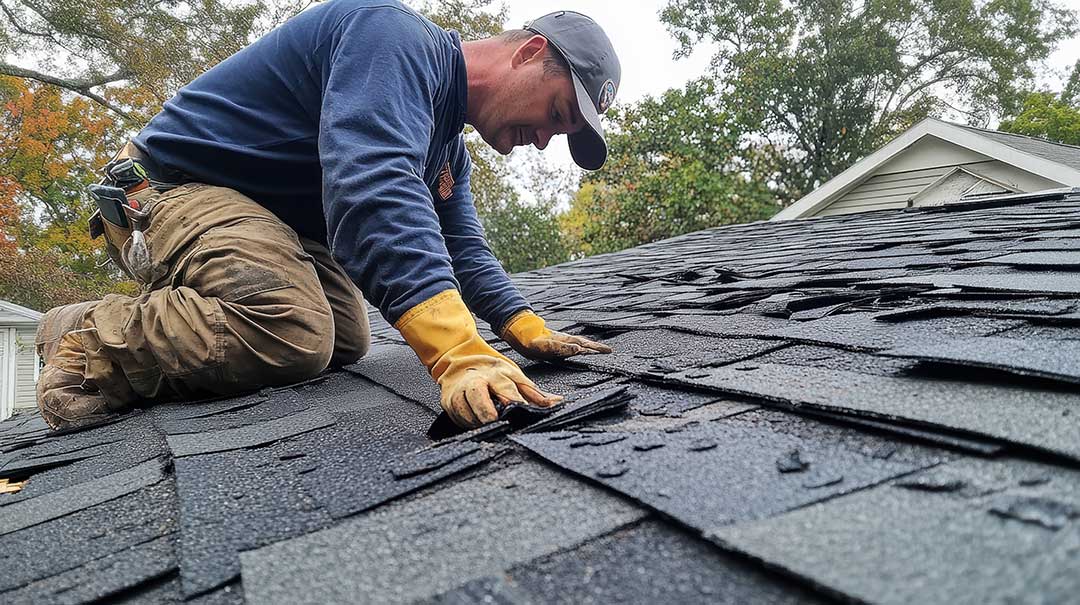
A Class A label does not eliminate the need for proper flashing, secure fastening, sound roof decking, and maintenance. Water damage can weaken components, expose combustible materials, and make later repairs more complicated.
Are older wood shingles automatically unsafe?
Older wood shingles and shakes deserve careful evaluation, but age alone does not determine their fire classification.
Some wood roofing products are manufactured and treated to meet a listed fire classification. Special installation requirements may include fire-retardant treatment, specific underlayment, particular deck construction, or other protective layers.
Untreated or deteriorated wood roofing may perform differently from a modern tested assembly. Moss, leaf buildup, dry debris, damaged shakes, and open joints can also increase vulnerability to ignition or fire spread.
Replacing individual damaged pieces may not restore the rating of the entire roof if the original system is no longer intact. The condition of the deck and underlayment matters as much as the visible surface.
How can homeowners check a roof’s fire rating?
Start with the product packaging, installation instructions, permit records, or documentation from the original roof project. Look for a clear Class A, Class B, or Class C designation and the name of an approved testing agency.
Useful questions include:
- Is the rating for the complete roof assembly or only the visible covering?
- What underlayment is required?
- Is a specific roof deck required?
- Does the rating depend on a particular slope or fastening pattern?
- Are valleys, eaves, vents, and penetrations covered by the same listing?
- Does the roof-mounted photovoltaic system have its own fire classification?
- Does the proposed work require a permit under current New York code?
Manufacturer instructions should be retained with household records, particularly after a roof replacement or solar installation. If documentation is missing, the local code-enforcement office can clarify which code provisions and permit requirements apply to a specific project.
What is the practical takeaway?
For area households, the safest interpretation is that a roof fire rating is a system performance designation, not a guarantee of fire immunity. Class A generally provides the strongest exterior fire performance, but only when the listed materials and installation details are used together.
During routine inspection, look beyond the shingles or panels. Damaged flashing, exposed decking, blocked vents, heavy debris, deteriorated wood roofing, and unapproved alterations can undermine the roof’s intended performance. Fire resistance works best as part of a complete approach that includes sound construction, proper maintenance, safe heating practices, and functioning smoke and carbon monoxide alarms.
