
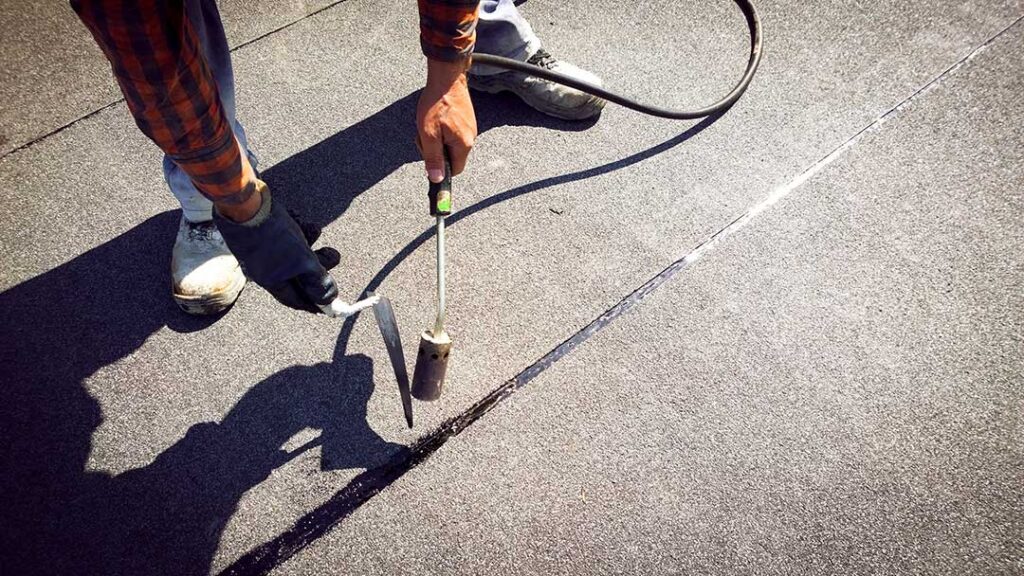
Roof repairs often fail because a small defect is treated as an isolated patch instead of part of a larger roofing system. In Greene, NY, seasonal temperature changes, snow, ice, wind, rain, and leaf buildup can expose weak repairs quickly.
A useful repair should stop water entry, preserve surrounding materials, and address the reason the damage occurred. Avoiding the following mistakes can reduce repeat leaks, hidden rot, and unnecessary roof damage.
What is the most common roof repair mistake?
The most common mistake is repairing only the visible symptom. A ceiling stain, loose shingle, or dark patch may show where water appeared, not where it entered.
Water can travel along roof decking, rafters, underlayment, insulation, or wall framing before becoming visible indoors. For that reason, the damaged interior area may be several feet away from the actual roof opening.
Before making a repair, inspect the area above the stain and look for related conditions such as:
- Damaged or missing shingles
- Exposed fasteners
- Cracked flashing
- Open seams around roof penetrations
- Soft or discolored decking
- Blocked drainage paths
- Ice-related damage along the roof edge
- Gaps around chimneys, vents, skylights, or other penetrations
A patch applied directly over the visible stain may hide the evidence without stopping the leak.
Why is using the wrong roofing material a problem?
Roofing materials are designed to work together. Using an incompatible sealant, fastener, underlayment, or replacement shingle can shorten the life of the repair.
Examples include installing:
- Fasteners that are too short to secure the material properly
- Nails placed too high, too low, or outside the manufacturer’s fastening area
- Sealant that becomes brittle in cold weather
- Sheet metal that traps water instead of directing it away
- Replacement shingles with a different profile or thickness
- Roofing cement spread over an area that needs mechanical repair
A material may appear watertight on the day of installation but fail after repeated freezing and thawing. In Greene, winter conditions can make flexibility and proper fastening especially important.
The replacement material should be compatible with the existing roof system, and the repair should follow the installation requirements for that material.
Is it safe to repair a roof during wet, icy, or windy weather?
Wet, icy, or windy conditions can make roof work unsafe and can also produce an unreliable repair. Shingles are harder to handle in cold weather, roof surfaces become slippery, and sealants may not cure as intended.
Snow and ice should not be treated as minor inconveniences. A person can lose footing near an edge, fall through a weakened section, or damage the roof by walking on brittle shingles. Ladders can also shift on frozen ground or uneven surfaces.
Roof access should be avoided when:
- The surface is icy, wet, or covered with snow
- Wind makes materials difficult to control
- The roof has visible sagging or soft areas
- Electrical lines or overhead hazards are nearby
- The work requires stepping close to an unprotected edge
- The repair cannot be reached safely from the ground or a secure access point
Safety is not separate from repair quality. A rushed repair performed in poor conditions may create additional damage.
Why should damaged flashing not be covered with sealant alone?
Flashing directs water around transitions and openings. It is commonly found near chimneys, walls, valleys, roof edges, vents, and skylights. If flashing is bent, loose, corroded, or improperly installed, adding sealant over it may provide only temporary protection.
Sealant can crack, separate, or lose adhesion as the roof expands and contracts. It also cannot correct flashing that is too short, positioned incorrectly, or allowing water behind the roofing material.
A proper repair may require removing nearby shingles, resetting or replacing the flashing, and restoring the layers in the correct order. The goal is to guide water over the surface and away from the opening, rather than simply covering the opening with a surface coating.
What happens when shingles are installed over hidden damage?
Installing new shingles over rotten or weakened decking can conceal a structural problem. The new shingles may look acceptable while the surface beneath them continues to flex, hold moisture, or lose its ability to support fasteners.
Signs that the roof deck may be damaged include:
- A spongy feeling underfoot
- Sagging between supports
- Staining or mold-like discoloration in the attic
- Nails that no longer hold securely
- Repeated leaks in the same location
- Decking that is swollen, delaminated, or visibly deteriorated
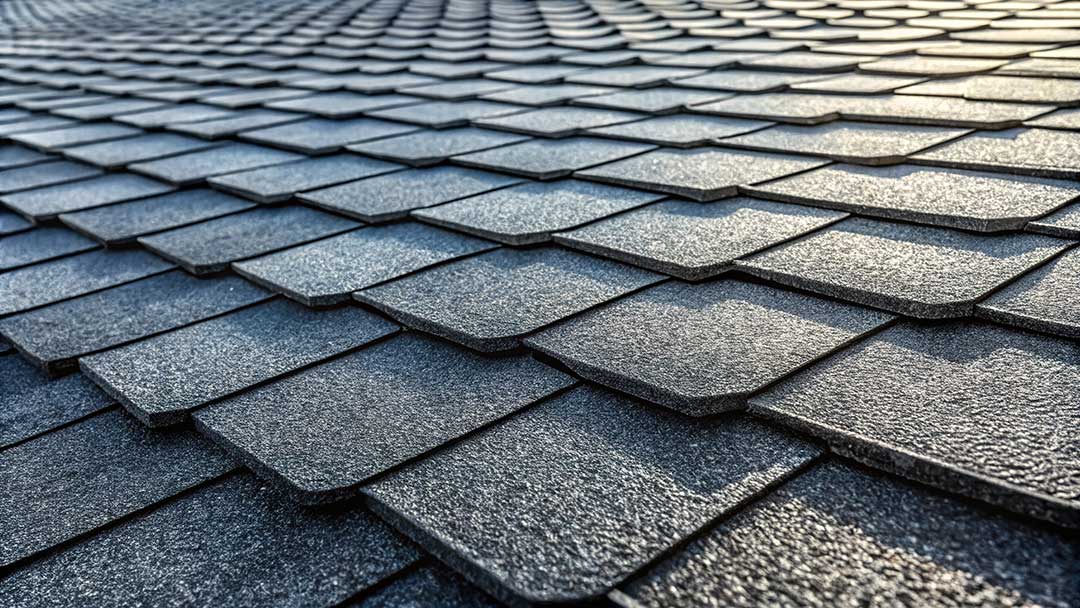
Roofing materials should not be used to cover structural weakness. If the deck cannot hold fasteners or support the roof surface, the affected section must be evaluated before new materials are installed.
Can cleaning a roof cause damage?
Yes. Aggressive cleaning can remove protective granules, damage shingle surfaces, loosen tabs, or force water beneath roofing layers. Pressure washing is especially risky for many asphalt shingle roofs because the force can strip material from the surface.
Moss, algae, leaves, and small branches should be handled carefully. Debris left in valleys or near roof penetrations can hold moisture and interfere with drainage, but scraping or blasting the surface may create new defects.
Gutters and downspouts also require attention. A roof repair may not last if clogged drainage continues to send water back toward the roof edge, fascia, or wall assemblies.
Why is ignoring attic ventilation a repair mistake?
A roof can leak even when the primary problem is moisture buildup inside the attic. Warm, humid air from the living space can enter the attic through gaps around light fixtures, plumbing penetrations, access panels, and ductwork. If ventilation is inadequate, condensation may form on cold roof components.
This moisture can contribute to:
- Damp insulation
- Wood staining or decay
- Mold growth
- Rusted fasteners
- Peeling paint near ceilings
- Ice formation along colder roof edges
Adding vents without considering intake airflow can create an unbalanced system. Blocking existing vents with insulation can also reduce airflow. Roof repairs should account for both exterior water entry and interior moisture movement.
What mistakes should be avoided after a repair?
A repair is not finished simply because the leak stops during the next rainfall. The area should be checked over time and after different weather conditions.
Watch for:
- New ceiling stains
- Damp attic insulation
- Drips during wind-driven rain
- Shingle edges lifting
- Loose metal or exposed fasteners
- Granules collecting heavily in gutters
- Repeated ice buildup near the same roof edge
- Musty odors or unexplained interior humidity
Do not paint over a ceiling stain until the area is dry and the source has been addressed. Covering the stain can hide continuing moisture and make later inspection more difficult.
If water is entering near electrical fixtures, the affected circuit should be treated as a potential electrical hazard. If the roof is sagging, has major structural damage, or cannot be accessed safely, staying off the roof is the appropriate choice.
The most reliable roof repairs are based on diagnosis rather than appearance. Finding the entry point, correcting drainage or ventilation problems, replacing compromised materials, and allowing repairs to cure under suitable conditions can help prevent a small defect from becoming a larger building problem.
