
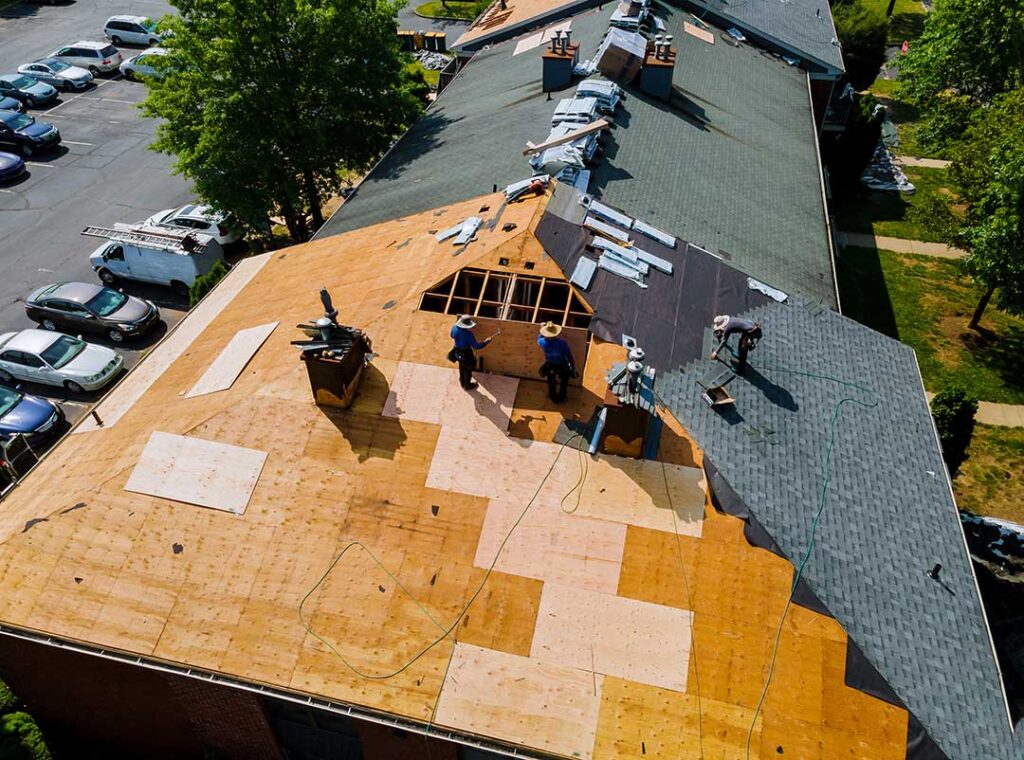
After a severe storm, the safest roof inspection begins from the ground. Look for visible changes, signs of water entry, and debris before considering any closer inspection. In Greene, NY, wind, heavy rain, wet snow, ice, and freeze-thaw conditions can affect roofing materials in different ways, sometimes leaving damage that is not obvious from the street.
What should be checked first after a storm?
Start by checking for immediate hazards around the home. Do not walk beneath sagging gutters, hanging branches, loose siding, or visibly displaced roofing materials. Stay away from downed utility wires, standing water near electrical equipment, and areas where broken glass or sharp debris may be present.
From a safe location, look for:
- Shingles scattered across the yard or caught in trees
- Roofing materials that appear lifted, curled, cracked, or missing
- Exposed underlayment, wood, or dark gaps beneath roof edges
- Bent or detached flashing around chimneys, vents, skylights, and walls
- Gutters or downspouts that have pulled away from the house
- Large branches resting on the roof
- New sagging along the roofline, porch roof, or overhang
- Water stains, drips, or damp areas inside the attic or upper rooms
A pair of binoculars can help identify damage without requiring anyone to climb onto the roof.
How can wind damage be identified?
Wind damage is not limited to shingles that are completely missing. Strong gusts can loosen the adhesive strip beneath shingles, lift tabs, or bend flashing while leaving most of the roof surface looking intact.
Look for shingles that are:
- Missing from exposed roof sections
- Lifted at the edges
- Folded, creased, or displaced
- Cracked near the corners or fastening areas
- Lying in the yard, driveway, or gutter system
Pay close attention to roof edges, ridges, hips, valleys, and areas around vents. These locations often experience stronger wind pressure. A shingle that has lifted may allow rain beneath neighboring materials during the next storm, even if no leak is visible yet.
Do not attempt to press loose shingles back into place from a ladder or roof surface. Roofing materials can be slippery, and a temporary-looking repair may conceal damage underneath.
What does hail damage look like?
Hail damage may appear as small dents, bruised areas, or circular marks on asphalt shingles. The damaged spots can expose the fiberglass mat beneath the granules. Over time, those areas may wear faster and become more vulnerable to water.
Possible signs include:
- Dark or soft-looking spots on shingles
- Missing granules collected in gutters or downspouts
- Dents in metal flashing, vents, gutters, or downspouts
- Cracks in skylights or plastic roof fixtures
- Similar circular marks on outdoor equipment or painted surfaces
Granules in a gutter do not automatically prove that a storm caused roof damage. Some granule loss is normal as shingles age. The location, amount, and appearance of the loss matter. Fresh, concentrated deposits after a hailstorm deserve closer attention.
How should the attic and ceilings be checked?
The attic can reveal storm damage before it becomes visible in living areas. Inspect it only if the space is safely accessible and there is adequate lighting. Avoid stepping between ceiling joists, since the surface may not support body weight.
Look for:
- Damp insulation
- Darkened wood or water marks
- Fresh drips or small puddles
- Daylight visible through the roof deck
- Wet or compressed areas around vents and chimneys
- Musty odors that were not present before the storm
Inside the home, check ceilings, upper walls, closets, and areas around skylights. A water stain may not appear directly below the original entry point because water can travel along rafters, insulation, or framing.
If water is actively entering near electrical fixtures, keep clear of the area and avoid touching switches or wiring. A bucket can collect dripping water only if it can be placed without entering a hazardous area.
What damage is easy to miss?
Some of the most overlooked storm problems involve roof accessories rather than the main field of shingles. Flashing around chimneys, vent pipes, dormers, skylights, and wall intersections can be bent or separated by wind. Sealants may also crack or pull away.
Check whether:
- Metal flashing is raised or visibly bent
- Vent caps are tilted or missing
- Pipe collars have separated from the roof surface
- Chimney caps or masonry joints appear damaged
- Gutters are clogged with unusual amounts of roofing material
- Downspouts are disconnected or draining against the foundation
Branches can also cause damage that is difficult to see from the ground. A limb may scrape away protective granules, crack shingles, or create a small puncture without leaving a large hole.
Should a roof be inspected from a ladder?
A ladder inspection is not necessary for most homeowners and can create additional risk after a storm. Wet shingles, moss, ice, loose debris, and unstable gutters make roof access especially dangerous. A ladder can also shift on soft ground or against damaged eaves.
Ground-level observations, binoculars, attic checks, and interior inspections often provide enough information to determine whether further evaluation is needed. Roof access should be left to someone properly equipped when the roof is steep, wet, icy, damaged, or obstructed by branches.
Never walk on a roof with visible sagging, loose materials, significant debris, or suspected structural damage.
What should be documented for insurance or records?
Take clear photographs from safe locations before moving debris or attempting any temporary protection. Include both close-up images and wider views that show where the damage is located.
Useful documentation includes:
- The date and approximate time of the storm
- Photos of the entire roof from several ground-level positions
- Images of damaged shingles, flashing, vents, gutters, and downspouts
- Photos of fallen branches or other storm debris
- Interior pictures showing stains, wet insulation, or active leaks
- Notes describing when each symptom was first noticed
Do not discard damaged materials before documenting them. If emergency protection is needed to limit additional water entry, the work should be performed without putting anyone in danger, and receipts or records should be retained.
When does roof damage require urgent attention?
Urgent conditions include active interior leaking, a large opening in the roof, visible structural sagging, a fallen tree or major limb, exposed electrical hazards, and roofing materials hanging over walkways or entrances.
A small stain that is no longer wet may not represent an immediate emergency, but it should still be monitored. Storm damage can worsen during the next period of rain, snow, or freezing temperatures. In Greene, NY, a temporary roof problem can become more complicated when moisture freezes and expands inside cracks or beneath roofing materials.
The safest approach is to inspect from the ground, check the attic and upper rooms when accessible, document changes carefully, and avoid climbing onto a damaged roof. A roof that appears acceptable from the street may still need closer evaluation if there are signs of water entry, displaced materials, or damage around roof penetrations.
