
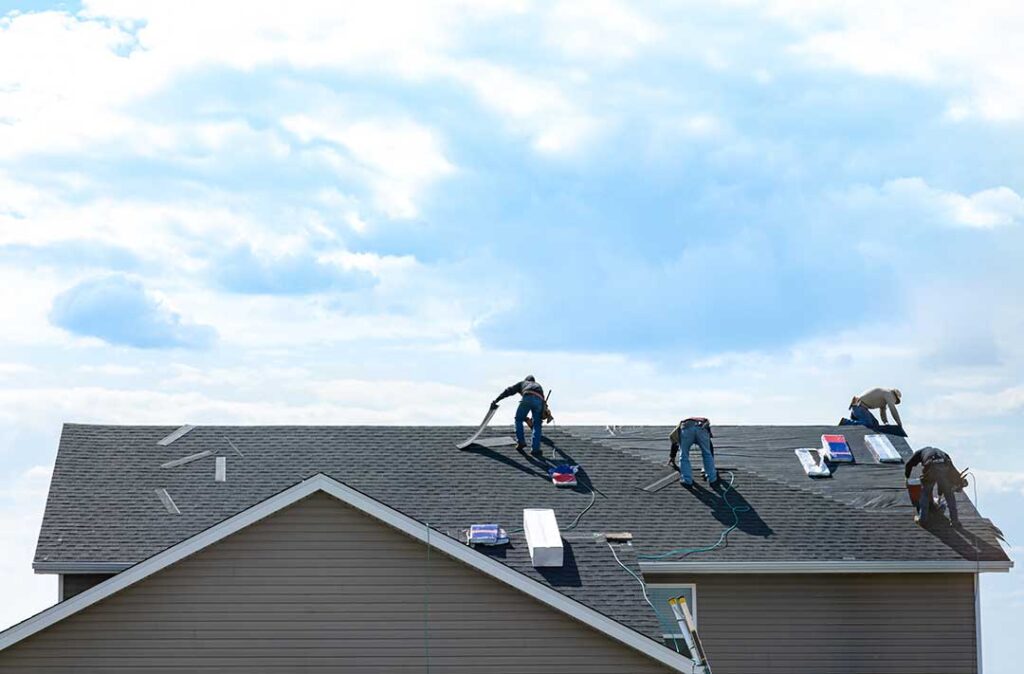
Roof decking, also called roof sheathing, is the layer of plywood, oriented strand board, or boards installed over the rafters or trusses. It supports the roofing materials and helps transfer the weight of snow, ice, rain, and maintenance traffic into the roof structure.
In Greene, NY, roof decking can face repeated wetting, freezing, thawing, and temperature changes. Damage is not always visible from the ground, but several warning signs can appear inside the attic, on ceilings, or across the roof surface.
What does damaged roof decking look like?
Damaged decking commonly shows moisture staining, softness, sagging, swelling, delamination, or decay. The problem may be limited to one area near a roof penetration, or it may affect larger sections where water has entered repeatedly.
Look for these visible clues:
- Brown, gray, or yellow stains on the underside of the roof sheathing
- Darkened wood around chimneys, plumbing vents, skylights, valleys, or roof edges
- Plywood layers separating or bubbling
- OSB strands swelling or breaking apart
- Soft spots that give slightly when pressed from the attic side
- Mold-like spotting or a persistent musty odor
- Rusted nails or fasteners near areas that have been wet
- Light showing through cracks, holes, or separated boards
A stain does not always mean the decking is currently wet. However, it indicates that water reached the roof assembly at some point. The source may still be active, or the wood may have dried while retaining structural damage.
Can a sagging roof indicate a decking problem?
Yes. A visible dip or wave in the roof surface can indicate weakened decking, although damaged rafters, trusses, or framing may produce a similar appearance.
From outside, sagging may look like a shallow depression between structural members. From inside the attic, the sheathing may appear bowed downward, especially between rafters. A roof that has gradually developed a dip after years of leaks deserves prompt attention because weakened wood may not safely support new roofing materials or accumulated snow.
Sagging can also occur after prolonged moisture exposure causes plywood or OSB to lose stiffness. In other cases, the roof structure was undersized, altered, or damaged independently of the decking. The visible symptom alone does not identify the exact cause, so structural concerns should not be treated as a simple shingle issue.
What attic signs should residents look for?
The attic often provides the clearest view of the roof decking. Inspection is safest from the attic floor or a secure walking surface, without stepping directly on the sheathing unless its condition is known.
Check for:
- Damp or soft wood after rain or snowmelt
- Water trails running down the underside of the decking
- Condensation or frost during cold weather
- Dark staining around fasteners
- Crumbling edges near roof penetrations
- Damp insulation beneath a stained area
- Daylight visible through the roof
- A musty smell that returns after the attic has been aired out
Condensation can be mistaken for a roof leak. Poor ventilation, warm air escaping from the living space, bathroom exhaust entering the attic, or air leaks around light fixtures can all add moisture. In winter, frost on the underside of the decking may melt and create water marks even when the roof covering is intact.
That distinction matters because replacing decking without correcting indoor-air leakage or ventilation can allow the problem to return.
Do ceiling stains always mean roof decking needs replacement?
No. A ceiling stain confirms that moisture reached the interior, but it does not automatically mean the decking has lost its strength.
A small, isolated stain may result from a flashing issue, a damaged roof covering, wind-driven rain, or condensation. The decking may be sound after it dries. Replacement becomes more likely when the wood is soft, swollen, delaminated, cracked, heavily discolored, or unable to hold fasteners securely.
The location of the ceiling mark may also be misleading. Water can travel along rafters, roof underlayment, insulation, or framing before appearing indoors. A stain directly below a roof penetration does not prove that the penetration itself is the only source.
Which roof areas are most vulnerable?
Roof decking is more likely to deteriorate where water collects, changes direction, or enters through an opening. Common trouble spots include:
- Valleys where two roof sections meet
- Eaves and lower roof edges
- Areas around chimneys and skylights
- Plumbing vent flashings
- Roof-to-wall intersections
- Dormer transitions
- Locations beneath ice dams
- Sections near damaged or missing roofing materials
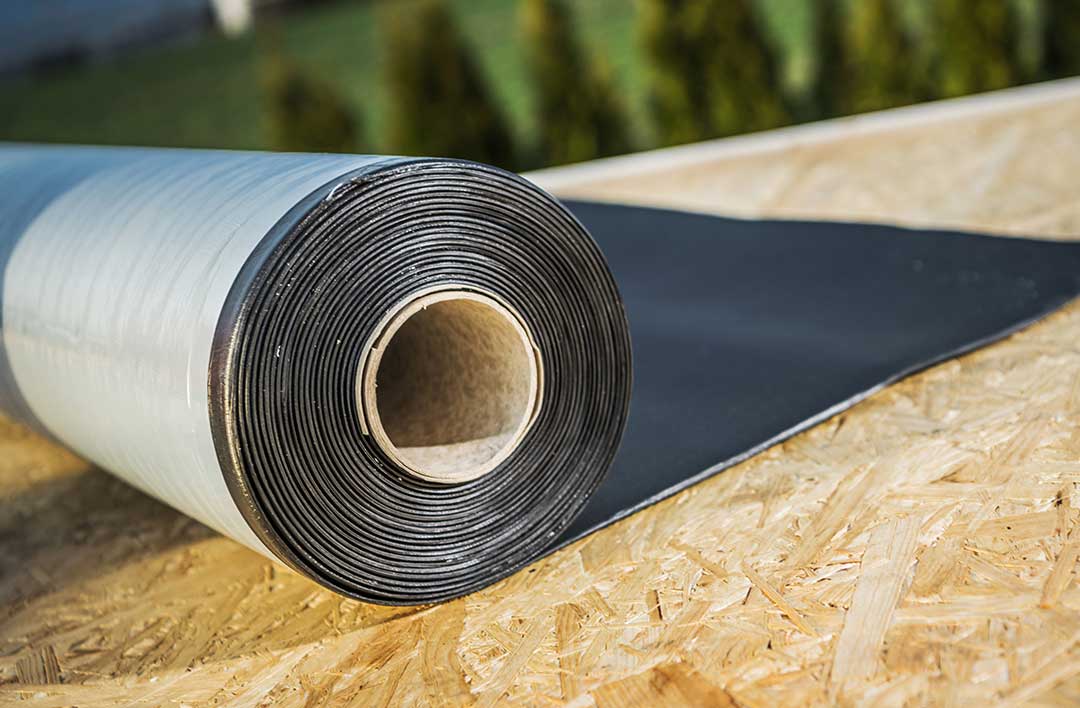
Freeze-thaw cycles can enlarge small openings over time. Ice may form at colder roof edges while warmer areas continue to shed meltwater, allowing water to back up beneath the roofing materials. Repeated wetting and drying can also cause wood panels to swell and shrink, loosening fasteners and creating additional paths for moisture.
Can old roof decking still be safe?
Age alone does not prove that decking needs replacement. Older homes may have solid board sheathing that remains serviceable, while newer plywood or OSB can deteriorate quickly if exposed to repeated moisture.
The condition of the wood matters more than its installation date. Sound decking should remain firm, reasonably flat, and capable of holding roofing fasteners. Boards with limited staining may be usable after the moisture source is corrected, while rotten, split, badly warped, or delaminated sections generally require removal.
Previous reroofing can complicate the assessment. Multiple roofing layers may conceal uneven areas, and repeated installation can leave extra nail holes or damage the upper surface of the sheathing.
When is roof decking damage urgent?
Immediate caution is warranted when the roof or attic shows active leaking, rapid sagging, a large soft area, exposed electrical components, or signs that structural members are affected.
Avoid walking on visibly sagging roof sections. Wet or deteriorated decking may fail under a person’s weight, particularly near valleys, eaves, and areas that have been exposed to long-term leaks. Roof access is also hazardous during snow, ice, strong wind, or wet conditions.
If water is near electrical wiring, light fixtures, or attic equipment, shut off power to the affected area only if it can be done safely and keep clear of the wet components. Buckets may limit interior damage temporarily, but they do not correct the source or stabilize weakened wood.
How can roof decking problems be prevented?
Prevention depends on keeping bulk water and indoor moisture away from the roof assembly.
Useful maintenance includes:
- Checking the attic after major rain or snowmelt
- Keeping roof drainage paths clear of leaves and debris
- Watching for damaged flashing and missing roofing materials
- Maintaining adequate attic ventilation
- Directing bathroom and kitchen exhaust outdoors
- Sealing air leaks between the living space and attic
- Addressing ice-dam patterns rather than repeatedly removing only the visible ice
- Inspecting roof penetrations after severe weather
A small stain should not be ignored simply because the ceiling is dry. Early investigation can distinguish a minor leak from decking that has begun to lose strength, which helps prevent concealed damage from spreading through the roof assembly.
