
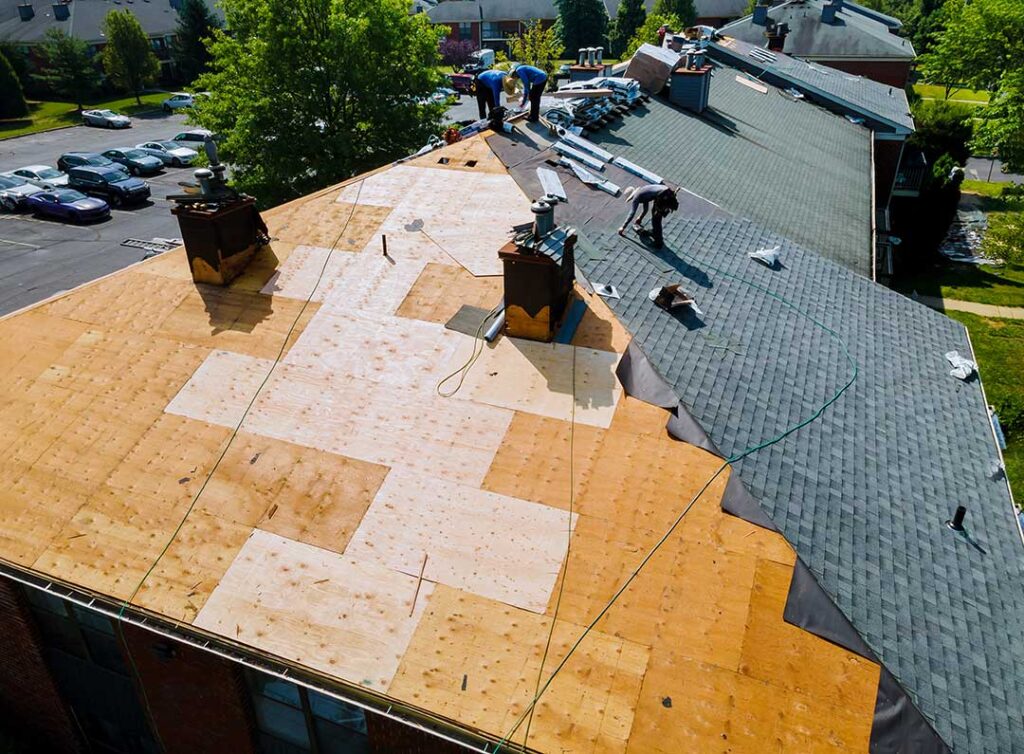
What can homeowners safely do to maintain a roof?
Most routine roof maintenance involves observation, cleaning from the ground, and keeping water away from the roof system. Homeowners can often inspect visible conditions, clear accessible gutters, trim nearby branches, and check the attic without climbing onto the roof.
Roof work becomes hazardous when it involves steep slopes, wet or icy surfaces, fragile roofing materials, electrical hazards, or elevated repairs. A roof does not need to look severely damaged for a fall or hidden leak to become serious. If a task requires walking on the roof, use extra caution and recognize when the risk is greater than the maintenance benefit.
In Greene, NY, roofs must handle changing conditions throughout the year, including snow, freezing temperatures, wind, rain, and rapid thawing. Regular observation is especially useful before winter and after major storms.
How often should a roof be checked?
A practical schedule is to inspect the roof from the ground several times each year and after unusually strong weather. A closer review is useful in spring and fall, when leaves, branches, ice, and temperature changes may expose problems.
Look for:
- Missing, cracked, curled, or displaced shingles
- Dark areas or streaks that are growing over time
- Exposed fasteners, loose metal, or damaged flashing
- Sagging along the roofline or around roof openings
- Debris collecting in valleys or behind chimneys
- Gutter sections pulling away from the house
- Granules collecting in gutters or at downspout outlets
Binoculars can provide a safer view of roof surfaces, flashing, vents, and chimney areas. Photographs taken from the same locations can also help track changes from season to season.
A roof inspection after a storm should focus on both obvious damage and less visible changes. Wind may lift or loosen materials without removing them completely. Hail can leave small marks that become more significant as the roofing material ages.
How can gutters and downspouts protect the roof?
Clean, properly directed gutters help move water away from the roof edge, exterior walls, foundation, and basement areas. Blocked gutters can cause water to back up beneath the roof edge or spill against siding and trim.
Before cleaning, place a stable ladder on firm, level ground and keep it away from overhead electrical lines. Avoid standing on the top rungs. Use gloves because gutter debris may contain sharp metal, nails, insects, or animal waste.
After removing leaves and sediment, check that:
- Water can move freely through each downspout
- Downspouts discharge several feet away from the foundation when practical
- Gutter seams are not separating
- Fasteners remain secure
- The gutter does not slope backward toward the house
- Extensions have not been crushed or disconnected
During colder months, ice can block drainage and add weight to gutters. Do not chip aggressively at ice on the roof edge, since this can damage shingles, flashing, and gutters. Repeated ice buildup may indicate insufficient attic insulation, poor ventilation, air leakage, or drainage problems that need further investigation.
Should homeowners remove moss, leaves, and branches?
Leaves, pine needles, and small branches should be removed when they collect in valleys, behind roof penetrations, or along drainage paths. Wet organic debris holds moisture against roofing materials and can conceal damaged areas.
Moss should not be scraped forcefully from shingles. Scraping can remove protective granules and shorten the useful life of the roof. Pressure washing is also a poor choice for most asphalt shingle roofs because the force can dislodge granules and drive water beneath the roofing material.
Branches that touch or overhang the roof deserve attention because they can rub against shingles, drop debris, or break during wind and heavy snow. Pruning from the ground may be reasonable for small, reachable growth. Cutting large limbs near a roof, power line, or structure creates a separate safety risk.
Dark streaks on shingles are often mistaken for moss. They may be caused by algae or weathering and do not always indicate an active leak. The appearance should be monitored, but aggressive cleaning can create more damage than the discoloration itself.
What should be checked in the attic?
An attic inspection can reveal roof problems before they become visible in living areas. Choose a dry day, use adequate lighting, and step only on structural framing or installed flooring. Do not step between ceiling joists, where the surface may be covered only by insulation or drywall.
Look for:
- Damp insulation or water stains
- Mold-like growth or persistent musty odors
- Rust around nails, fasteners, or metal components
- Daylight entering through areas that should be sealed
- Compressed or displaced insulation
- Frost on roof sheathing during very cold weather
- Signs of animals or insects entering through roof openings
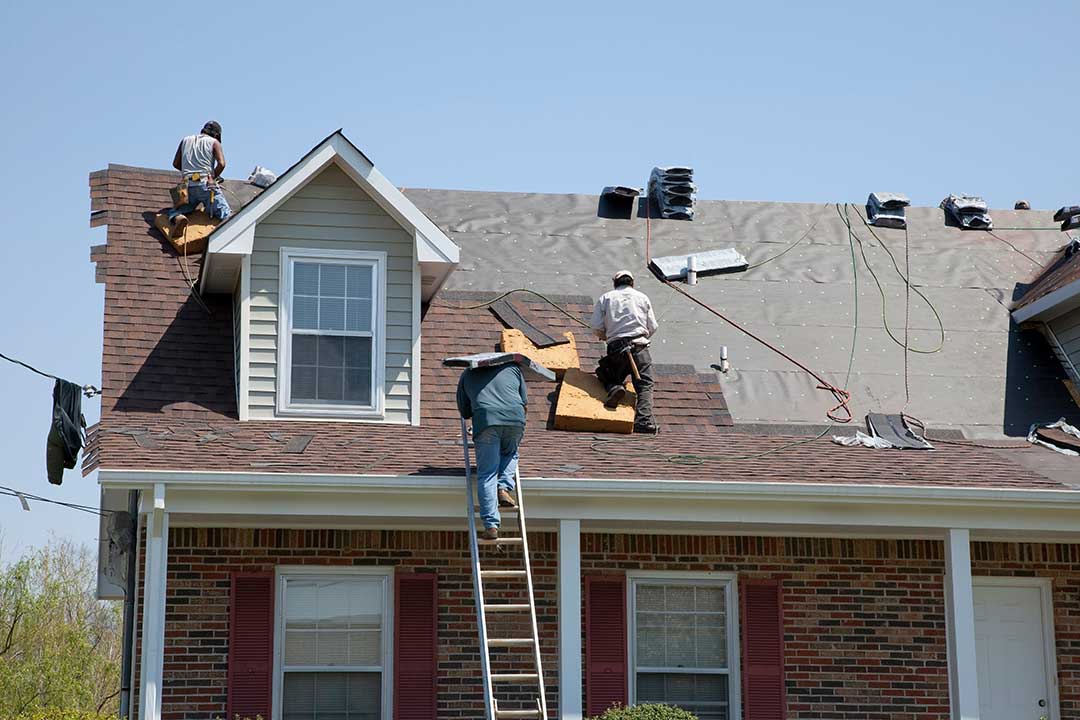
Water stains do not always appear directly below the source of a leak. Water can travel along rafters, sheathing, insulation, or framing before reaching the ceiling. A dry stain may indicate an old event, while a spreading stain, damp wood, or active dripping suggests a current problem.
Bathroom and kitchen exhaust fans should vent outdoors rather than into the attic. Warm, moist air released into an attic can condense on cold surfaces and contribute to damp insulation, wood deterioration, and winter frost.
How should roof penetrations be maintained?
Chimneys, plumbing vents, skylights, satellite mounts, and other roof openings are common locations for leaks. From the ground, check whether flashing appears bent, lifted, rusted, or separated. Inside the attic, look for staining around the corresponding opening.
Do not cover suspected leaks with household caulk, roofing cement, or tape without understanding the cause. Temporary materials may conceal the problem while water continues entering the structure. Some sealants also become brittle, detach, or trap moisture.
Chimney masonry should be watched for cracked mortar, loose bricks, or damaged caps. Water entering through a chimney assembly may affect both the roof and interior walls. Snow and ice can make these areas especially difficult to assess safely.
What roof maintenance should wait for qualified help?
Certain conditions should not be treated as routine do-it-yourself work:
- A roof surface that is steep, wet, icy, or unstable
- Sagging decking, rafters, or rooflines
- Large areas of missing roofing
- Active leaks near electrical wiring or light fixtures
- Damage around chimneys, skylights, or other complex structures
- Fallen trees or large limbs resting on the roof
- Suspected structural damage after heavy snow or wind
- Any repair requiring extensive climbing or specialized equipment
If water is entering near electricity, avoid touching wet fixtures or wiring and shut off power only if it can be done safely. Place a container under a drip, move belongings away from the area, and document the location and visible damage. Do not climb onto the roof during an active storm or while ice is present.
What maintenance mistakes are most common?
The most frequent errors are not checking the roof until a ceiling stain appears, using a pressure washer on shingles, walking on brittle roofing, and ignoring small flashing or gutter problems. Another common mistake is assuming a roof is leak-free because the attic looks dry during one inspection.
Maintenance is more effective when it is recorded. Note the inspection date, weather conditions, visible changes, gutter cleaning, and any areas that need follow-up. Comparing photographs over time can help distinguish normal aging from new damage.
For households in Greene, seasonal attention is particularly useful: inspect after winter thaw, clear drainage paths before autumn leaves accumulate, and check for storm damage after strong winds or heavy snow. These low-risk habits can identify problems early without turning routine maintenance into an unsafe roof-climbing project.
