
How do pests get into a roof in Greene, NY?
Pests usually enter through small openings that are easy to miss from the ground. Damaged shingles, loose flashing, uncovered vents, gaps along roof edges, and openings around pipes or chimneys can give animals and insects access to the roof system and attic.
In Greene, seasonal weather can make these weak points worse. Freeze-thaw cycles, wind, heavy rain, falling branches, and snow accumulation may loosen materials or enlarge existing gaps. Older homes may also have roof details that were built before modern pest-resistant venting and screening became common.
A roof does not need a large hole for pests to get inside. Mice can pass through openings roughly the width of a pencil, while bats and insects may use even smaller gaps around trim, vents, or siding transitions.
Which pests commonly enter roofs and attics?
Different pests use roofs for different reasons. Some seek warmth and shelter, while others are attracted to food, moisture, or nesting materials.
Common roof and attic intruders include:
- Mice and rats: These rodents often enter through roof edges, soffits, gable vents, and openings around utility lines. They may build nests in insulation and chew wiring or stored materials.
- Squirrels: Squirrels can enlarge small openings by chewing wood, fascia, soffit materials, or vent screens. They frequently enter attics to nest and may become active during daylight.
- Raccoons: Raccoons are strong enough to tear damaged roof coverings, screens, and loose flashing. Their entry points are often larger and may be accompanied by visible damage.
- Bats: Bats commonly use narrow gaps beneath flashing, ridge caps, siding, or roof edges. They may enter quietly and leave little visible evidence from outside.
- Birds: Birds may enter through broken vents, missing screens, or openings near chimneys. Nesting materials can block ventilation and create moisture concerns.
- Wasps, bees, and hornets: Flying insects may use roof overhangs, wall cavities, attic vents, and gaps near chimneys or dormers for nesting.
- Ants and other insects: Moist or decaying wood near roof leaks can attract carpenter ants and other insects. These pests may begin in the roof structure and spread into wall cavities.
The species involved can often be estimated from the timing and type of activity, but guessing incorrectly can create safety problems. Some animals are protected during parts of the year, and removing a parent can leave young animals trapped inside.
Where are the most common entry points?
Most pest entry points occur where roofing materials meet another building component. These transitions experience movement, weather exposure, and repeated expansion and contraction.
Roof edges and soffits
The lower edge of a roof can provide access if soffit panels are loose, damaged, or missing. Pests may also enter where fascia boards have rotted or where the roof edge has separated from the wall.
Vents and exhaust openings
Ridge vents, gable vents, bathroom exhaust outlets, and attic ventilation openings must allow air movement without allowing animals inside. Missing screens, bent covers, and cracked housings can turn a vent into an entry point.
Chimneys and flashing
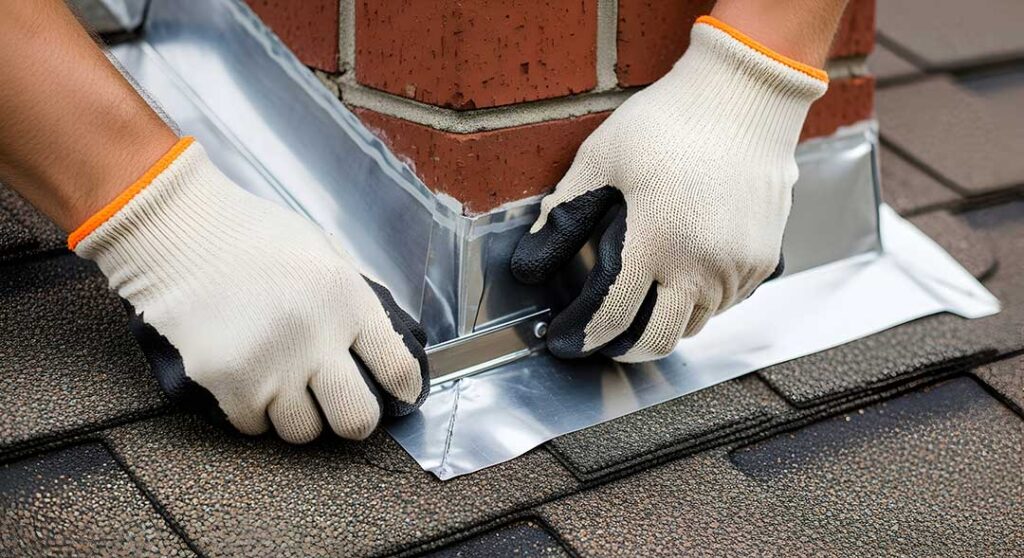
Flashing seals the areas where a chimney, wall, or other vertical feature meets the roof. If flashing is loose, corroded, or separated from the surrounding materials, water and pests may enter through the same opening.
Roof penetrations
Plumbing vent pipes, electrical lines, satellite mounts, and other penetrations create openings in the roof covering. Deteriorated seals or damaged collars may leave gaps around the penetration.
Dormers, skylights, and roof-to-wall joints
Changes in roof shape create more seams and corners. Dormers, skylights, and roof sections that meet exterior walls should be checked for gaps, damaged sealants, loose trim, and signs of water intrusion.
Damaged shingles and roof sheathing
Missing or lifted shingles can expose underlayment and roof decking. If the decking beneath is softened by moisture, rodents and larger animals may be able to push through or widen the damaged area.
What signs suggest pests are entering through the roof?
The clearest signs may appear inside the attic rather than on the roof surface. Scratching, scurrying, squeaking, or fluttering sounds can indicate activity, especially around dawn, dusk, or nighttime.
Other warning signs include:
- Droppings or urine odors in the attic
- Nesting material made from insulation, leaves, paper, or fabric
- Chewed wood, wiring, plastic, or vent screens
- Greasy marks or hair near narrow openings
- Feathers, shells, or food remnants
- Damaged insulation or disturbed stored items
- Daylight visible through roof decking, vents, or soffits
- Stains or damp areas near an apparent entry point
- Repeated noises in one roof section
Not every attic sound is caused by an animal. Wind can move loose vent covers, and expanding roof materials can produce popping or cracking sounds. Patterns are useful: repeated movement in the same location, visible debris, or odors make pest activity more likely.
Can a roof leak attract pests?
Yes. A roof leak can create damp wood, softened insulation, and hidden cavities that are more attractive to insects and rodents. Moisture also accelerates decay around fascia, soffits, roof decking, and wall framing.
A leak does not always cause pest entry by itself. However, it can weaken the materials that keep pests out. For example, a small leak near a chimney may damage nearby wood, allowing insects to enter first and larger animals to enlarge the opening later.
Pest activity can also worsen water damage. Nesting materials may block vents, animals may tear underlayment, and chewing can damage protective components around penetrations.
Why should entry points be repaired carefully?
Sealing an opening without considering what is inside can trap animals or young offspring. It can also force pests into wall cavities or living spaces. This is especially relevant with bats, birds, squirrels, and raccoons.
Repairs should address both the pest and the building defect. A durable correction may involve replacing damaged roof materials, securing flashing, repairing soffits, installing properly fitted vent screening, or correcting moisture damage.
Foam, tape, or loose wire mesh may provide only a temporary barrier. Some animals can chew through weak materials, while poorly placed screening can restrict necessary roof ventilation.
If droppings, nests, dead animals, or contaminated insulation are present, cleanup may require protective equipment and careful handling. Rodent waste can carry disease, and disturbing dry droppings can spread contaminated dust.
How can homeowners reduce roof pest problems?
Routine observation helps identify small defects before they become active entry points. From the ground, residents can look for lifted shingles, damaged soffits, loose fascia, missing vent screens, and branches touching the roof.
Useful prevention steps include:
- Keep tree limbs from rubbing against the roof or providing easy access.
- Check roof edges and vents after major wind, snow, or ice events.
- Keep attic ventilation openings screened without blocking airflow.
- Repair areas of rot before they become soft enough to chew through.
- Store food, birdseed, and pet food in sealed containers away from attic access points.
- Do not ignore recurring scratching, odors, or unexplained insulation damage.
- Avoid climbing onto a wet, icy, steep, or damaged roof.
Roof inspections are particularly valuable after severe weather or when a home has a history of leaks. A safe inspection from the attic and ground can reveal whether the problem involves the roof covering, ventilation system, exterior trim, or nearby wall construction.
Understanding the entry route is more useful than simply blocking the first visible hole. A lasting repair protects the roof, preserves ventilation, addresses moisture, and prevents pests from finding another path into the same area.
