
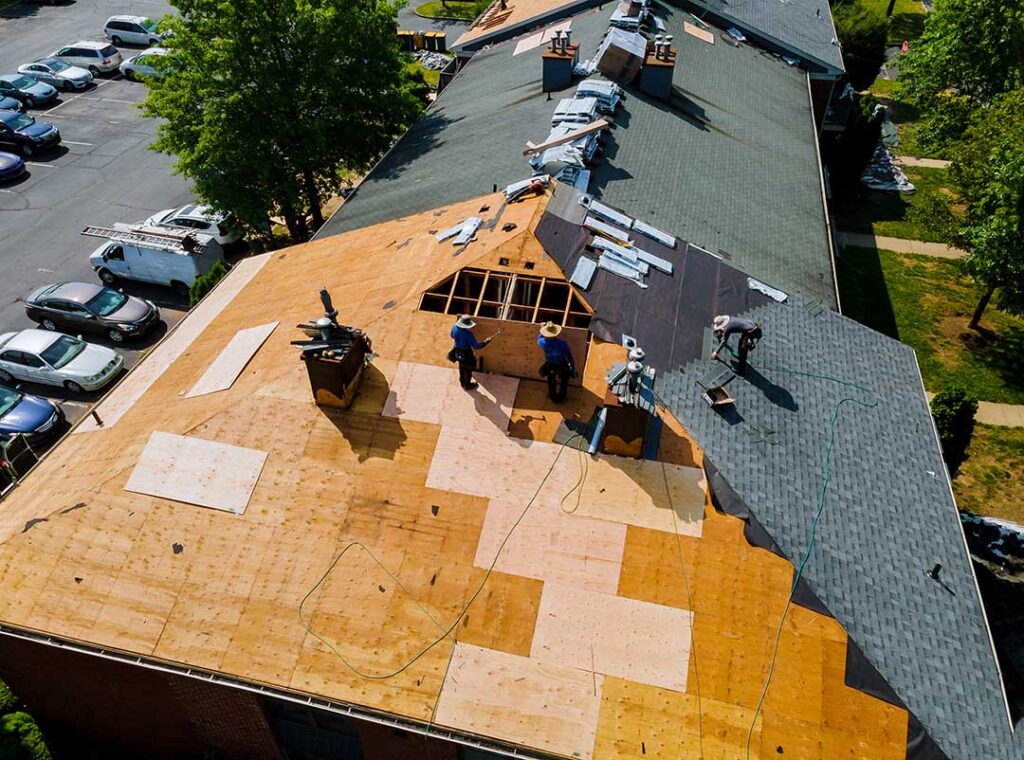
Roof repairs often fail because the underlying problem is misunderstood, the wrong materials are used, or a temporary patch is treated as a permanent fix. In Greene, NY, changing seasons, freeze-thaw cycles, wind, ice, rain, and snow can expose those mistakes quickly.
A careful repair begins with identifying how water is entering, understanding how roofing materials work together, and recognizing when the roof is unsafe to access.
What is the most common roof repair mistake?
The most common mistake is repairing the visible damage without finding the source of the leak. A ceiling stain, missing shingle, or damp attic area may be several feet away from the point where water first entered.
Water can travel along roof decking, rafters, insulation, flashing, and underlayment before appearing indoors. A patch placed directly above the stain may stop some water temporarily while allowing the original leak to continue elsewhere.
Common sources that are easy to overlook include:
- Damaged or poorly installed flashing around chimneys, vents, and roof edges
- Failed seals around plumbing vent pipes
- Cracked ridge caps
- Open seams in valleys
- Blocked or improperly sloped gutters
- Wind-lifted shingles that still appear attached from the ground
- Ice-related damage along the eaves
A reliable inspection follows the water path rather than assuming the lowest visible stain marks the entry point.
Why is using roofing cement as a permanent repair a problem?
Roofing cement can be useful for limited temporary work, but it is often misused as a permanent solution. Thick patches of cement may hide cracked flashing, split roofing material, or an open seam without correcting the failure underneath.
Over time, some cement patches become brittle, separate from the surrounding material, or trap moisture against the roof surface. Dark patches can also make future inspections more difficult because they obscure the original condition of the roof.
A repair should match the type of failure. For example, a damaged flashing section may require proper replacement or resealing, while a torn shingle may need to be replaced rather than covered with a layer of patching compound.
What happens when a new shingle is installed over damaged decking?
A replacement shingle cannot correct soft, rotten, or structurally weakened roof decking. If the wood beneath the roofing material flexes, the new shingle may crack, loosen, or fail to seal properly.
Water damage to decking is more likely after a leak has gone unnoticed, especially around valleys, roof penetrations, eaves, and areas where snow or ice repeatedly accumulates. Covering damaged wood can also leave mold-friendly moisture trapped beneath the new roofing layer.
Before replacing a shingle, the surrounding surface should be checked for:
- Soft spots or visible sagging
- Delamination or splitting
- Darkened wood that remains damp
- Rusted or protruding fasteners
- Damage extending beyond the visible opening
Replacing compromised decking is not merely cosmetic. It helps restore a stable surface for underlayment and shingles.
Why do incorrect nails cause roof repairs to fail?
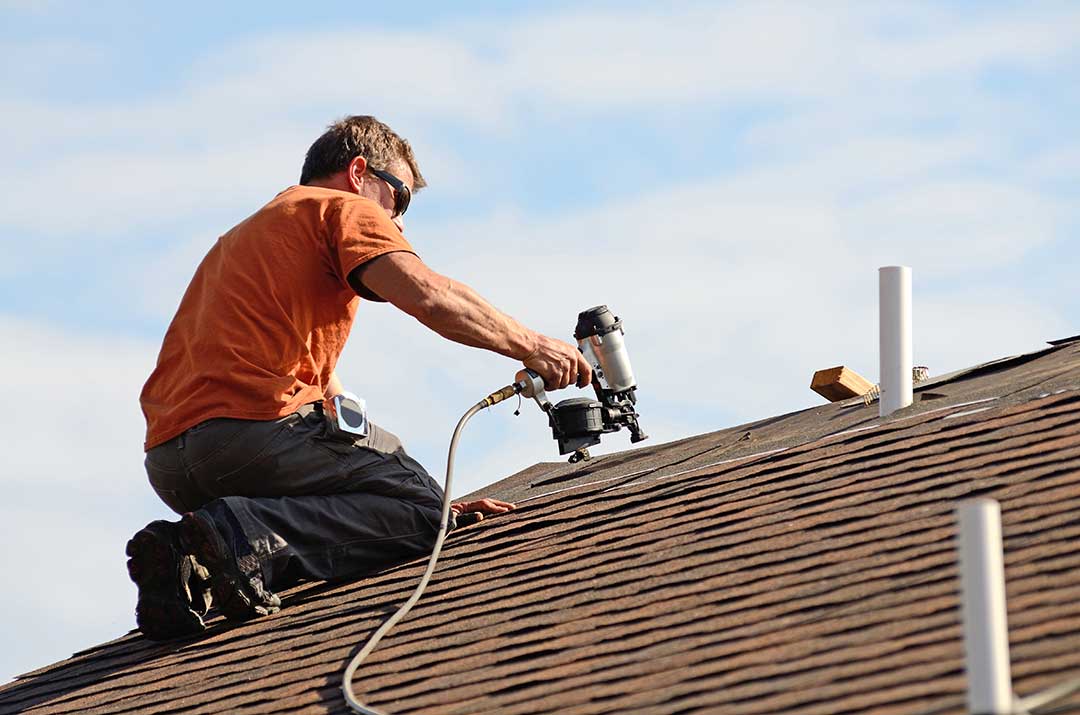
Nail placement matters because roofing nails must hold the material securely without creating new leak paths. Nails driven too high, too low, at an angle, or through the wrong part of a shingle can reduce wind resistance and allow water to enter.
Overdriven nails can cut through shingle material. Underdriven nails may leave the shingle raised. Nails placed outside the manufacturer’s intended fastening area may not provide adequate holding power.
Nail length also matters. Nails that are too short may not fully penetrate the roof sheathing, while excessively long fasteners can protrude into the attic or create unnecessary hazards. In cold weather, shingles may be less flexible, increasing the risk of cracking during handling.
Is it a mistake to repair a roof during cold weather?
Cold conditions do not automatically make every repair impossible, but they can make certain materials difficult to install correctly. Asphalt shingles rely partly on warmth and sunlight to activate their self-sealing strips. In cold weather, those strips may not bond immediately.
Brittle shingles can crack when lifted, folded, or cut. Sealants may not cure as intended, and snow or frost can conceal damaged surfaces. A repair that appears complete may still need careful follow-up once temperatures moderate.
Winter work also introduces serious fall risks. Frost, ice, snow, and shortened daylight can make roof access unsafe. Anyone working above ground level should use appropriate fall protection and avoid climbing onto a roof that cannot be safely assessed.
What is wrong with installing new shingles over old roofing?
Installing a new layer over an existing layer is not always automatically defective, but it can conceal problems and add weight. The condition of the roof deck, flashing, ventilation, and existing shingles becomes harder to inspect.
Multiple layers may also create an uneven surface. New shingles can telegraph ridges, depressions, or damaged areas underneath. Around valleys, vents, chimneys, and roof edges, extra layers can interfere with proper flashing details.
A layered roof may also make it difficult to determine how many roofing systems are already present. Local requirements and manufacturer instructions can affect whether another layer is allowed. Compliance should be confirmed before covering an existing roof.
Why should ventilation not be ignored during a repair?
Roof ventilation does not directly repair a leak, but poor ventilation can shorten the life of roofing materials and contribute to moisture problems. Warm, humid air from the living space can enter the attic through gaps around light fixtures, plumbing penetrations, attic hatches, and ductwork.
If that moisture cannot escape, condensation may form on the underside of the roof deck. During Greene winters, repeated freezing and thawing can add stress to materials and conceal whether moisture is coming from a leak or indoor air.
Repairs should not block intake or exhaust ventilation. Adding vents without considering the entire airflow pattern can also create an unbalanced system. Attic insulation, air sealing, and ventilation work together and should be evaluated as related conditions.
What gutter mistakes can damage a repaired roof?
A roof repair may fail if gutters and downspouts continue sending water against the roof edge, siding, foundation, or fascia. Leaves, ice, and accumulated debris can obstruct drainage and cause water to back up beneath shingles.
Common gutter-related errors include:
- Attaching downspouts that discharge too close to the foundation
- Leaving sagging sections that hold standing water
- Allowing ice buildup to pull on the gutter edge
- Failing to check the roof-to-gutter transition
- Using sealant to cover a separated joint without correcting the slope or support
After a roof repair, water should be observed during rainfall when possible. The goal is to confirm that runoff follows the intended path rather than collecting near the repaired area.
When should a roof repair not be attempted as a do-it-yourself project?
A repair should not be attempted by someone who cannot safely access the roof, identify electrical or structural hazards, or use proper fall protection. Steep slopes, ice, unstable decking, storm damage, and work near utility lines create risks that are greater than the repair itself.
Professional evaluation is also warranted when there is widespread water intrusion, visible sagging, extensive mold, damaged structural framing, or uncertainty about whether the roof can support a person. Safety and legal compliance take priority over completing a minor repair quickly.
For homeowners, the most useful step may be documenting the location of stains, the timing of leaks, visible exterior damage, and changes after rain or snow. That information can help distinguish an isolated roofing defect from a broader moisture or drainage problem.
How can future roof repair mistakes be reduced?
The best prevention is a repair plan based on inspection rather than appearance alone. Check the roof surface, flashing, penetrations, attic, decking, gutters, and ventilation as connected parts of one system.
Use compatible materials, follow installation instructions, replace damaged components instead of covering them, and inspect repairs after the next significant rain or thaw. Keeping records of repair locations and dates can also reveal recurring trouble spots before a small defect becomes widespread damage.
