
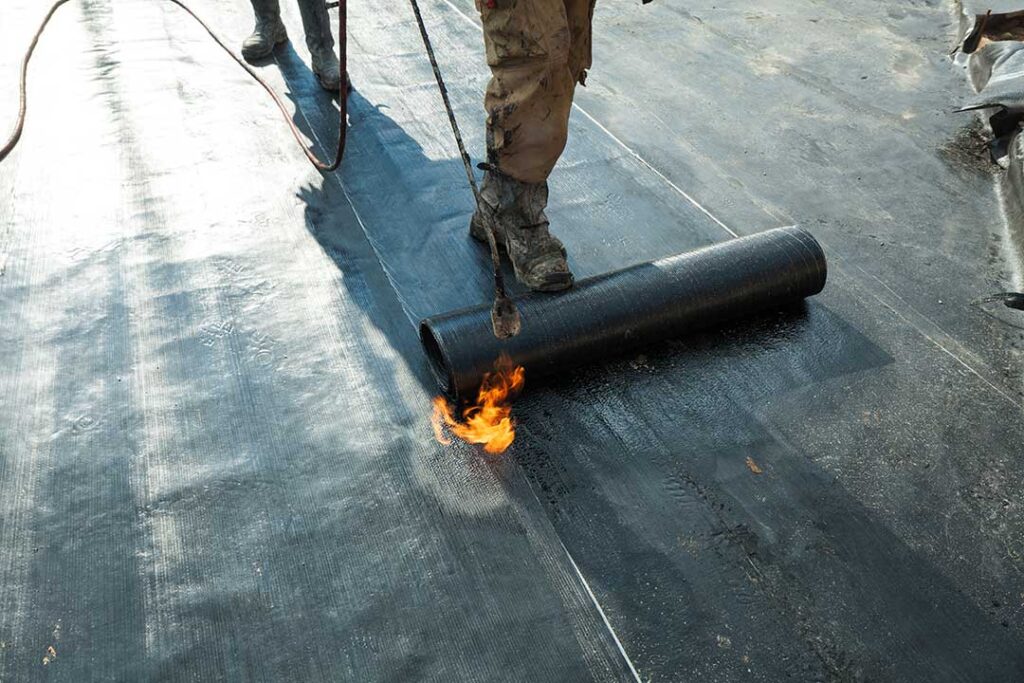
Why delaying a roof repair can become a larger problem
A roof problem rarely stays limited to the original damaged area. A missing shingle, small leak, or loose flashing can allow water, wind, and freezing temperatures to affect materials that were not designed to get wet.
For households in Greene, NY, seasonal weather can increase the consequences of delay. Rain, snow, ice, freeze-thaw cycles, strong winds, and changing temperatures all place stress on roofing materials. A minor defect may not cause visible interior damage right away, but the roof assembly can still be deteriorating above the ceiling.
Neglect does not always mean ignoring a major leak. It can also include postponing investigation of:
- A ceiling stain that appears after rain
- Damp insulation in an attic
- Missing, cracked, curled, or lifted shingles
- Rusted or separated flashing
- Water collecting near chimneys, vents, or roof valleys
- Granules accumulating in gutters
- Daylight visible through the roof deck
- Persistent musty odors near upper floors
How can a small roof leak damage a home?
A small leak can spread beyond the point where water first enters. Roofing layers, underlayment, roof decking, insulation, drywall, trim, and framing may all be affected.
Water often moves along rafters or roof decking before appearing as a stain indoors. This means the visible mark on a ceiling may not be directly below the damaged area. By the time a stain becomes noticeable, surrounding materials may have experienced repeated wetting.
Continued moisture can lead to:
- Soft or weakened roof decking
- Sagging drywall or ceiling materials
- Damaged attic insulation
- Stained wood framing
- Peeling paint and deteriorated trim
- Mold or other microbial growth where moisture remains
- Electrical concerns if water reaches wiring or fixtures
A roof leak that appears only during heavy rain should not be dismissed as harmless. Higher rainfall intensity can expose weaknesses that remain hidden during light precipitation.
What happens to roofing materials during winter?
Winter conditions can accelerate damage that began during warmer months. Water enters small cracks or gaps, freezes, expands, and places additional pressure on nearby materials. Repeated freezing and thawing can enlarge openings around flashing, fasteners, vents, and masonry intersections.
Snow and ice can also conceal roof damage. A problem that was visible in autumn may be difficult to identify safely after accumulation. Ice buildup along roof edges may contribute to water backing up beneath roofing materials, especially when melting snow cannot drain normally.
Heavy snow adds weight to the roof structure. Most properly built roofs are designed for expected regional conditions, but weakened decking, damaged framing, poor drainage, or accumulated snow can increase structural stress.
Winter does not automatically create a roof failure, but it can expose problems that were left unresolved.
Can neglected roof repairs affect indoor air quality?
Yes. Persistent roof moisture can contribute to damp conditions in attics, wall cavities, and ceilings. These areas may have limited airflow, allowing materials to remain wet longer than expected.
Mold growth is more likely when moisture, suitable temperatures, and organic materials are present. Insulation, wood, paper-faced drywall, and dust can all support unwanted growth under the right conditions.
Not every dark mark is mold, and not every roof leak creates an indoor air-quality problem. However, recurring odors, visible growth, damp insulation, or unexplained respiratory irritation should be treated as signs that the moisture source needs to be identified and corrected.
Painting over a stain or replacing a small section of drywall does not address the underlying roof problem. The source of the water must be located, and wet materials may need adequate drying or replacement.
Why can delayed repairs become more expensive?
The cost of addressing a roof issue generally increases as more building components become involved. Replacing one damaged roofing area is different from replacing roofing plus rotted decking, wet insulation, stained ceilings, damaged framing, and interior finishes.
Delayed repairs can also create hidden costs:
- Personal belongings may be damaged by leaking water
- Insulation may lose effectiveness after becoming wet
- Interior rooms may be unavailable during drying or repairs
- Structural materials may require additional evaluation
- Emergency work may be needed after a storm
- A small repair may become part of a larger roof replacement decision
This does not mean every minor issue requires immediate full replacement. It means the extent of damage should be understood before assuming that a problem is insignificant.
Which roof problems require urgent attention?
Active water entry, structural movement, or electrical exposure should be treated as urgent safety concerns. Occupants should avoid areas where ceilings are bulging, fixtures are wet, or water is near electrical equipment.
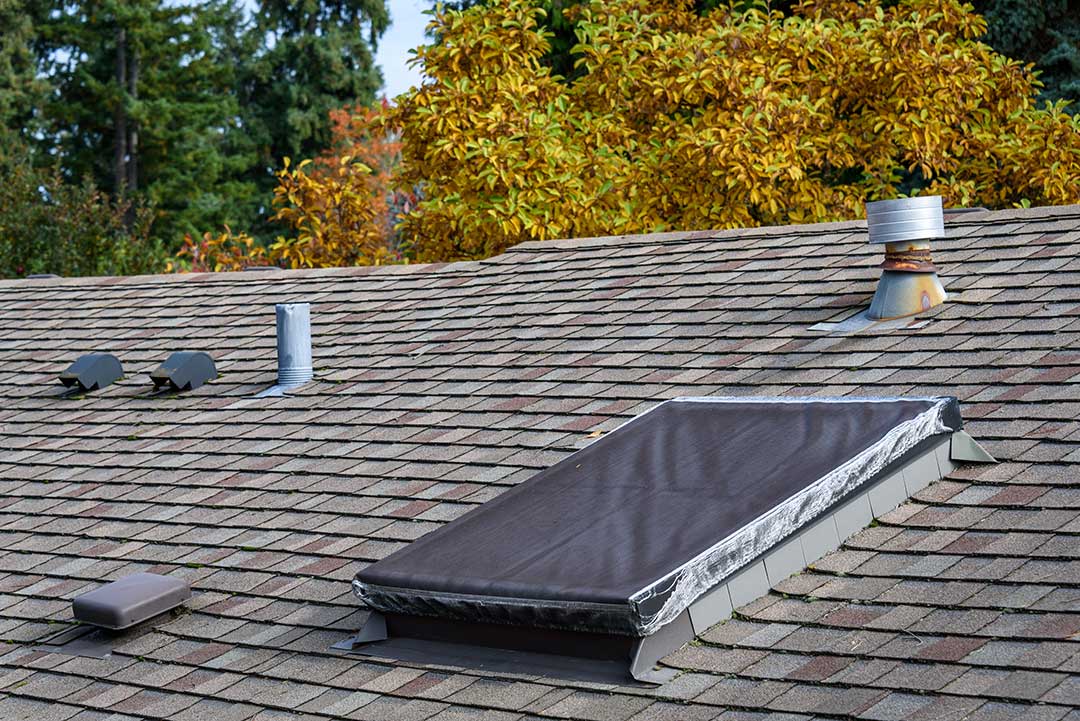
More urgent warning signs include:
- A ceiling or roof deck that is sagging
- Large areas of missing roofing
- Water entering during active rainfall
- A fallen tree limb or other impact damage
- Exposed underlayment or roof decking
- Significant ice or snow buildup combined with interior leaking
- Strong wind damage that leaves roof materials loose
- Cracks or separation around a chimney, vent, or roof edge
Do not climb onto a wet, icy, snow-covered, or visibly damaged roof. Roof surfaces can be slippery, and hidden structural weakness may make walking unsafe. Ground-level observations and photographs from a safe location are more useful than taking unnecessary risks.
Are roof leaks always easy to see?
No. Some leaks appear only under specific conditions, such as wind-driven rain, melting snow, or heavy precipitation. Others may be absorbed by insulation before reaching the ceiling.
An attic inspection from a safe access point may reveal darkened wood, damp insulation, water trails, rusted fasteners, or daylight. These signs can help indicate whether moisture is entering, but a dry surface on one day does not prove that a roof is watertight.
Homeowners should also watch for changes inside the house, including:
- New discoloration on ceilings or walls
- Bubbling paint
- Peeling wallpaper
- Musty smells
- Damp attic air
- Unexplained increases in indoor humidity
- Drips that occur only during storms or thawing
Keeping a dated record of these observations can help establish whether the problem is recurring or expanding.
How can local weather habits affect roof maintenance?
In the local community, roof performance is influenced not only by the age of the shingles but also by drainage and seasonal maintenance. Leaves, twigs, and other debris can obstruct gutters and downspouts, allowing water to collect near roof edges or overflow against exterior walls.
After major wind, rain, or snow events, a visual inspection from the ground can identify obvious changes. Look for uneven roof lines, displaced materials, debris on the roof, damaged flashing, and gutters that have pulled away from the structure.
Attic ventilation and insulation also matter. Excess heat and moisture in an attic can contribute to condensation, especially during cold weather. That moisture may be mistaken for a roof leak even though both conditions can exist at the same time.
Regular observation does not prevent every roofing problem, but it can shorten the time between damage and discovery. Early attention is especially valuable before winter weather, prolonged rain, or periods of strong wind.
What should be done after discovering possible roof damage?
First, protect people and belongings without creating a new hazard. Move valuables away from drips, place containers beneath active leaks, and avoid wet electrical fixtures or sagging ceilings. Do not puncture a bulging ceiling; the weight of trapped water can cause sudden collapse.
From the ground or a safe interior location, document what is visible. Note the date, weather conditions, affected rooms, and any changes since the problem was first observed. Temporary measures may limit additional water entry, but they should not be treated as a permanent repair.
The central lesson is straightforward: roof damage becomes more difficult to manage when water is allowed to reach the layers beneath the exterior covering. Prompt investigation helps distinguish a limited repair from a developing moisture, structural, or indoor-environment problem.
