
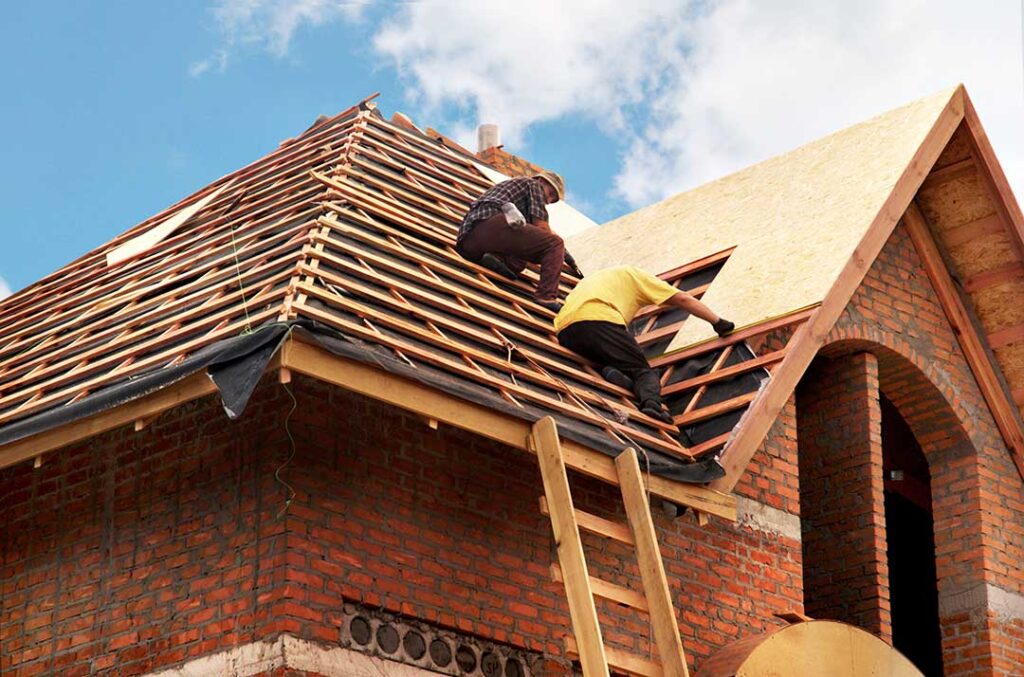
A roof can look serviceable from the ground while already showing age-related wear in less visible areas. Understanding how aging appears on different roofing materials helps residents recognize maintenance needs early, distinguish normal weathering from active damage, and make safer decisions about inspections and repairs.
What does an aging roof usually look like?
An aging roof often shows several small changes rather than one obvious failure. Common signs include surface wear, fading, exposed fasteners, damaged edges, loose materials, and moisture-related staining.
The roof’s age matters, but age alone does not determine its condition. Installation quality, ventilation, roof pitch, tree cover, snow and ice exposure, attic moisture, and repeated freeze-thaw cycles all affect how quickly materials deteriorate. In Greene, NY, seasonal temperature swings, winter precipitation, wind, and summer sun can place repeated stress on roofing systems.
From the ground, look for:
- Uneven or sagging roof lines
- Missing, cracked, curling, or displaced materials
- Dark streaks, moss, or persistent staining
- Rusted or lifted flashing around chimneys, vents, and roof edges
- Granules collecting in gutters or near downspouts
- Areas that appear patchy, brittle, or noticeably different in color
A single stain or missing piece does not always mean the entire roof has failed. However, several signs appearing together deserve closer attention.
How can aging be identified on asphalt shingle roofs?
Asphalt shingles commonly show age through loss of surface granules, brittleness, curling, and reduced resistance to wind and water. Granules protect the asphalt coating from sunlight and weather, so widespread granule loss leaves shingles more vulnerable.
Typical aging signs include:
- Shingle edges curling upward or downward
- Cracks running through the shingle surface
- Bald spots where the darker asphalt layer is exposed
- Blister-like areas or surface bubbles
- Missing shingles or lifted tabs
- Excessive granules in gutters
- Uneven color caused by prolonged sun and weather exposure
Shingles may also develop dark streaks caused by algae. These streaks are often a cosmetic concern rather than proof of structural failure. Moss is more concerning when it grows thickly enough to lift shingle edges or hold moisture against the roof.
A roof can still be watertight after a few shingles begin to age. The concern increases when deterioration is widespread, especially near valleys, eaves, roof penetrations, and wind-exposed edges.
What are the signs of aging on metal roofs?
Metal roofs often age differently from asphalt shingles. They may remain structurally sound while showing finish wear, corrosion, loose fasteners, or movement at seams.
Inspect for:
- Rust, especially around cut edges, fasteners, valleys, and penetrations
- Peeling or chalking finish
- Loose, missing, or backed-out screws
- Open seams or separated panels
- Dented areas that interfere with drainage
- Corrosion around flashing and roof openings
- Water stains below panel joints
Some color fading is normal and does not necessarily indicate failure. Rust that remains superficial may be manageable, but expanding corrosion can eventually create holes or weaken panel connections.
Fastener problems are common aging indicators because metal expands and contracts with temperature changes. A screw that no longer seals tightly can allow water into the roof assembly even when the metal panel itself appears intact.
How does an aging wood roof appear?
Wood shingles and shakes usually show age through splitting, curling, surface erosion, and biological growth. Unlike manufactured shingles, wood materials may weather unevenly depending on their exposure to shade, rain, and airflow.
Look for:
- Split or cracked shakes
- Curling or cupping edges
- Soft, decayed sections
- Missing pieces
- Deeply weathered or fuzzy-looking surfaces
- Moss, lichen, or fungal growth
- Dark staining that remains after the roof dries
Wood roofing needs ventilation and the ability to dry after wet weather. Persistent dampness can accelerate decay, particularly in shaded roof sections or areas blocked by leaves. A few surface marks are not necessarily structural problems, but soft wood and widespread splitting indicate that the roofing system is losing its protective function.
Walking on an older wood roof can cause additional damage and may be unsafe, especially when materials have become brittle or slippery.
What aging signs are common on slate and tile roofs?
Slate and tile roofs can last for many decades, but individual pieces may break, shift, or loosen long before the entire system reaches the end of its useful life. Their supporting components, including fasteners, flashing, underlayment, and roof framing, also age over time.
For slate, watch for:
- Broken or missing slates
- Slates that slide downward
- Rusted or failed fasteners
- Flaking layers on the slate surface
- Damaged flashing in valleys and around chimneys
For clay or concrete tile, look for:
- Cracked or broken tiles
- Displaced tiles
- Powdering or surface erosion
- Deteriorated mortar at ridges and edges
- Sagging areas beneath the tile
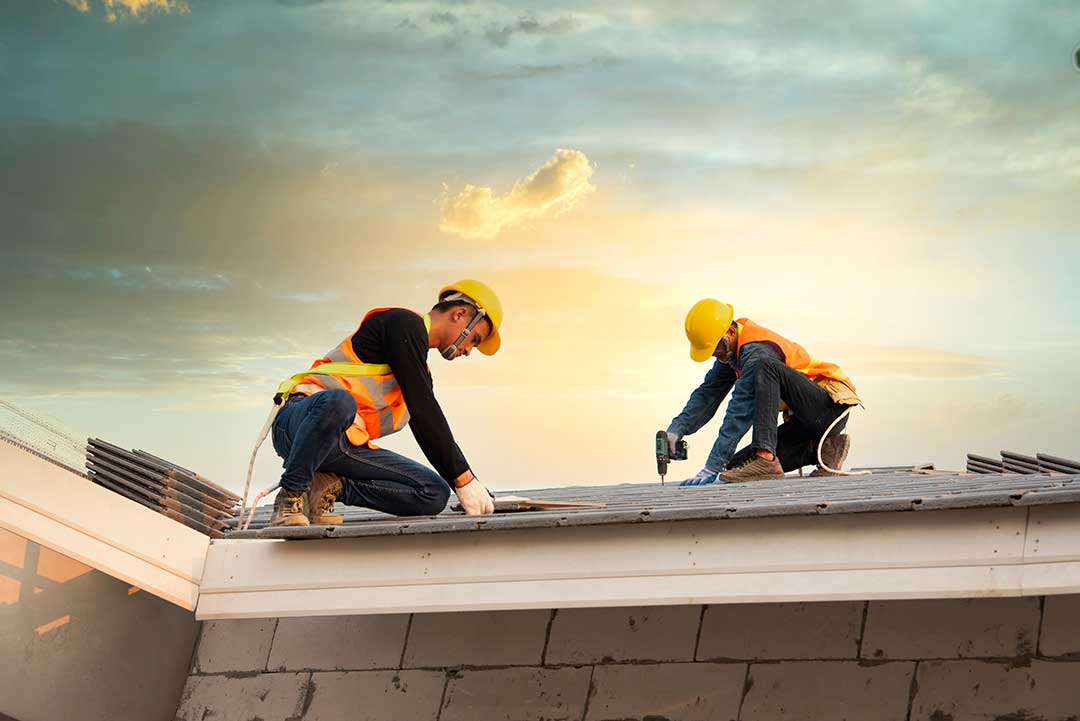
A few damaged pieces may be replaceable without removing large portions of the roof. However, repeated breakage can indicate movement in the roof structure, failing fasteners, or aging underlayment.
How can flat or low-slope roofs be checked for age?
Flat and low-slope roofs often show age through ponding water, membrane deterioration, open seams, and failing edge details. Because these roofs drain more slowly than steep-slope systems, small drainage problems can become recurring moisture problems.
Common signs include:
- Water that remains for more than a short period after rain
- Cracks, blisters, or bubbles in the membrane
- Open seams or separated patches
- Shrinkage near edges and flashing
- Exposed reinforcement
- Deteriorated roof coatings
- Interior staining below low areas
Winter snow and ice can add weight and increase stress on drainage systems. Leaves and debris can also block drains or scuppers. A roof may appear dry during inspection but still have hidden insulation damage or softened decking below the membrane.
Which roof areas age fastest?
Roof edges, valleys, flashing, and penetrations usually age faster than broad, unobstructed roof surfaces. These areas handle concentrated water flow or involve several materials joined together.
Pay particular attention to:
- Valleys where two roof sections meet
- Eaves and drip edges
- Areas around chimneys, vents, and skylights
- Roof-to-wall transitions
- Ridges and hips
- Locations below overhanging branches
- Sections shaded by nearby trees or structures
In colder climates, ice buildup near eaves can contribute to repeated wetting and refreezing. Poor attic ventilation can also allow heat and moisture to affect roof materials from below.
How can someone tell the difference between normal weathering and roof failure?
Normal weathering usually develops gradually and affects appearance more than function. Roof failure is more likely when there is active leaking, structural movement, widespread material loss, or deterioration around key drainage and flashing areas.
Signs that require prompt attention include:
- Water entering the living space
- Sagging roof decking or ceiling areas
- Large sections of missing or displaced material
- Daylight visible through the roof or attic
- Widespread rot or soft decking
- Damaged flashing around a chimney or other opening
- A roof edge that has pulled away from the structure
Interior evidence matters. Check attic insulation, roof sheathing, ceilings, and upper wall areas for dampness, staining, mold-like growth, or musty odors. A ceiling stain may remain after a leak stops, while a new or expanding stain suggests continuing moisture.
What should residents do during a roof-age inspection?
A visual inspection from the ground is a useful first step, but climbing onto an older, steep, wet, icy, or fragile roof creates unnecessary risk. Binoculars can help identify missing materials, damaged flashing, and uneven surfaces without foot traffic.
After severe wind, heavy snow, or an ice event, inspect the attic and upper ceilings when conditions are safe. Keep records of visible changes, leaks, repairs, and approximate installation dates. Comparing photographs from year to year can reveal gradual deterioration that is difficult to notice day by day.
If the roof has structural sagging, active water entry, exposed electrical components, or extensive damage, avoid entering unsafe areas. Roofing materials can fail without warning, especially after years of moisture and freeze-thaw exposure.
