
Solar panels can work well on many homes in Greene, NY, but the roof should be evaluated before the solar system is designed. Roof age, structural condition, snow exposure, shading, ventilation, electrical access, and future maintenance all affect whether rooftop solar is a sensible choice.
Is the roof ready for solar panels?
A roof should generally be in sound condition with enough remaining service life before panels are installed. Solar equipment may remain in place for decades, so installing it over an aging roof can create avoidable costs if the roof needs replacement later.
Check for:
- Missing, cracked, curling, or deteriorated shingles
- Soft areas, sagging, or visible deck damage
- Water stains in the attic or upper floors
- Rusted flashing around chimneys, plumbing vents, or roof edges
- Poor attic ventilation or signs of trapped moisture
- Previous repairs that may not have solved the underlying problem
A roof that needs replacement soon may be better repaired or replaced before solar installation. Removing and reinstalling panels later can add labor, create additional attachment points, and complicate warranty questions.
Roof age alone does not determine suitability. A relatively old roof in excellent condition may perform better than a newer roof with poor installation, active leaks, or structural concerns.
Can a roof support the added weight?
Most residential roofs can be designed to carry solar panels and their racking, but the actual answer depends on the roof framing, span, condition, snow loads, and how the system is attached.
Greene experiences winter weather that can place additional loads on a roof. Solar panels do not usually create a problem simply because they are present, but the combined weight of the panels, racking, roofing materials, and accumulated snow should be considered as part of the structural review.
Important questions include:
- Are the rafters or trusses in good condition?
- Does the roof have a history of sagging or movement?
- Are attachments aligned with suitable framing members?
- Could snow slide from the panels onto walkways, doors, vehicles, or lower roofs?
- Has past remodeling changed the roof structure?
Structural review is especially important for older homes, additions, roofs with unusual framing, and buildings with visible deflection or previous water damage. Safety and code compliance may require documentation from a qualified design professional or other appropriately credentialed party.
Which roof direction is best?
Roof orientation affects solar production, but a roof does not need to face one particular direction to be useful. A south-facing roof often receives strong annual sunlight, while east- and west-facing roof areas can also produce meaningful energy, particularly when household electricity use occurs in the morning or afternoon.
The roof angle matters as well. A moderately sloped roof may be easier to design around than a very steep roof, but steepness does not automatically rule out solar. The system layout must account for roof edges, ridges, valleys, skylights, vents, chimneys, and other obstructions.
Shade can be more significant than direction. Trees, nearby buildings, dormers, utility structures, and winter shadows may reduce production. Because sunlight changes with the season, a roof that appears sunny in summer may receive more shade in spring, fall, or winter.
How do snow and ice affect rooftop panels?
Solar panels can tolerate normal winter conditions, but snow cover temporarily reduces electricity production. Snow may slide off a sloped array as the panels warm or as sunlight changes, sometimes falling in a concentrated area rather than evenly across the roof.
That makes placement important near:
- Entryways and porches
- Walkways and driveways
- Lower roof sections
- Outdoor equipment
- Areas where people or pets regularly pass
Routine snow removal from panels is not always necessary and can risk scratching the surface or damaging the system. Using tools, climbing onto the roof, or attempting to break up ice can also create fall hazards. The system design should account for likely snow movement rather than relying on frequent manual clearing.
Winter output is commonly lower because of shorter daylight hours and occasional snow cover. That does not mean the system stops working during cold weather; clear, cold conditions can still provide useful production.
How are solar panels attached without causing leaks?
Roof-mounted solar systems require carefully planned attachments and waterproofing. Penetrations through the roofing system must be properly flashed and sealed, and the attachment method should be compatible with the roof covering.
Poorly placed or improperly flashed attachments can contribute to leaks. The risk is not limited to the panels themselves; water may travel along fasteners or framing and appear indoors far from the original entry point.
Before installation, it is reasonable to understand:
- Where the roof attachments will be located
- How flashing will be integrated with the roofing material
- How existing vents, chimneys, and flashing will be handled
- Whether the mounting system is appropriate for the roof type
- Who is responsible if a leak develops near an attachment
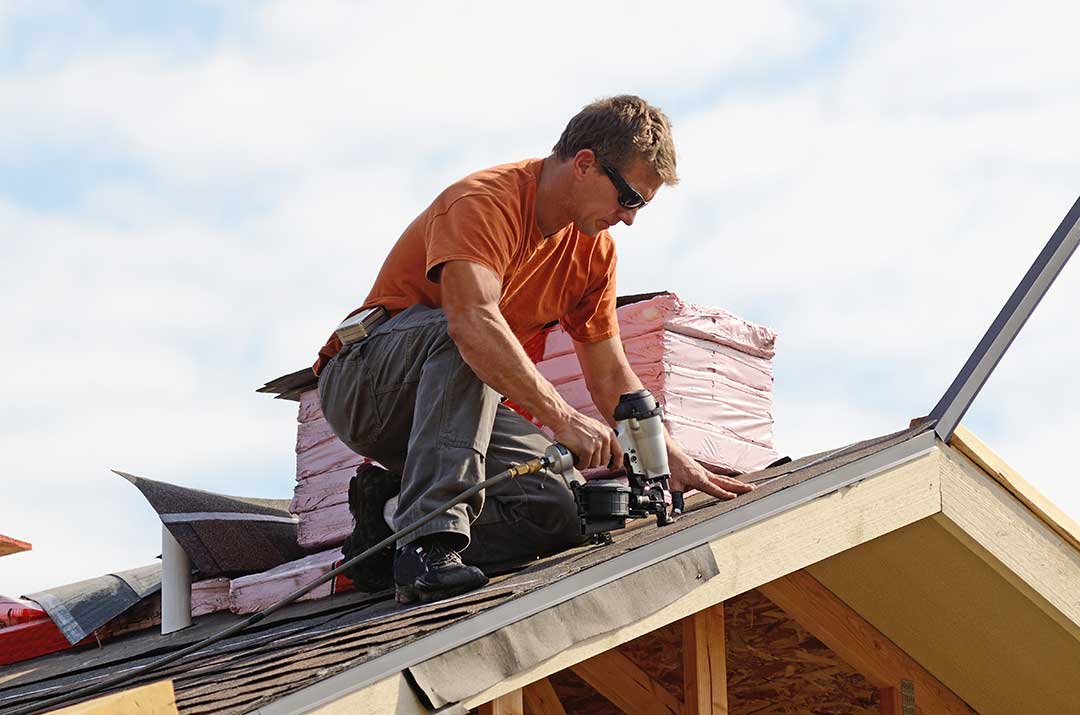
The roof and solar work should be treated as one coordinated system. Altering the roof without considering the panel layout, or installing panels without respecting the roof’s drainage and flashing details, can create problems later.
Will solar panels interfere with roof ventilation or fire access?
They can if the layout is not planned correctly. New York’s building and fire requirements include provisions for rooftop access, ventilation, pathways, clearances, and emergency operations. The exact requirements depend on the roof design, building type, system layout, and code edition applicable to the project.
Panels should not block required roof vents or make it unnecessarily difficult to reach important areas. Fire access pathways and clearances may reduce the amount of roof area available for panels, especially on compact roofs with multiple ridges, valleys, or roof projections.
This is one reason a simple “fill the entire roof” approach may not be appropriate. A smaller, better-spaced array can be safer and easier to maintain.
What permits are required in Greene?
Residential solar projects generally involve both electrical and building-code review. A permit and inspection process may apply even when the panels are mounted on an existing roof. Local requirements can change, so residents should verify the current process with the applicable code enforcement office before work begins.
The project may require review of:
- Structural attachment and roof loading
- Electrical equipment and wiring
- Fire access and rooftop clearances
- Equipment location and disconnects
- Interconnection with the electric system
- Property-specific zoning or historic considerations, where applicable
A permit is not merely paperwork. It helps confirm that the system is attached, wired, inspected, and documented in a way that supports safety and future property records.
What happens if the roof needs repairs later?
Solar panels can make roof repairs more involved because sections beneath the array may be inaccessible without removing equipment. If a roof leak develops, determining whether the cause is the roofing material, flashing, a mounting attachment, or another building component may also take more investigation.
Keep records of:
- Roof installation and repair dates
- Panel and racking locations
- Inspection approvals
- Equipment specifications
- Warranty terms
- Any roof penetrations or areas excluded from coverage
These records can help during future maintenance, insurance questions, property sales, or roof replacement planning.
Is rooftop solar always the right choice?
No. A roof may be unsuitable because of age, heavy shading, limited usable area, structural concerns, or a complicated layout. A ground-mounted system may be considered where site conditions, setbacks, land use rules, and winter access make it practical. Energy-efficiency improvements may also reduce household electricity use before a solar system is sized.
The most reliable decision starts with the roof rather than the panels. A sound structure, durable roofing system, appropriate layout, proper waterproofing, and code-compliant electrical work matter as much as the equipment’s energy output.
