
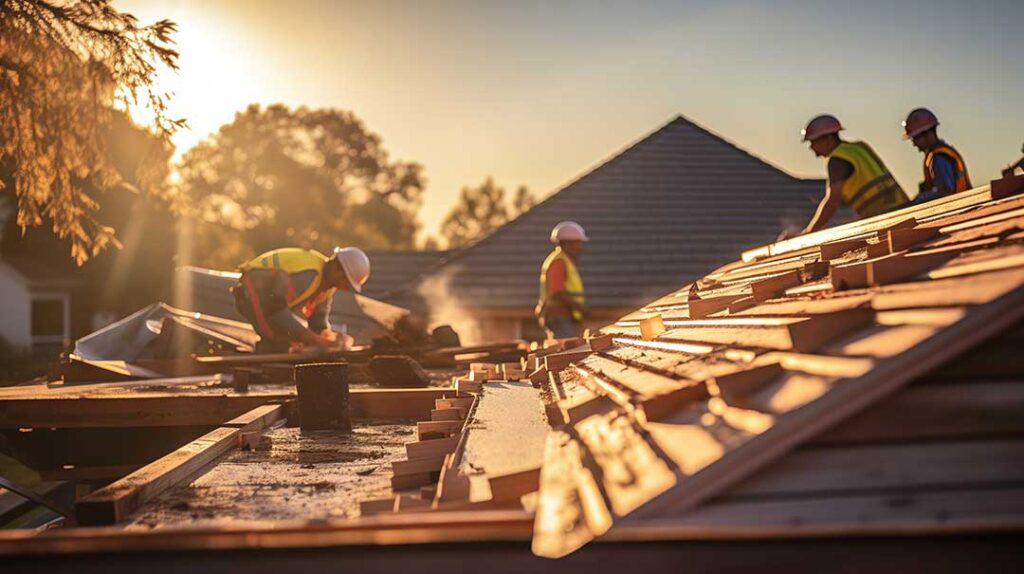
A roof cricket is a small, peaked structure built on the uphill side of a chimney or another roof obstruction. Its purpose is to split and redirect rain, melting snow, ice, and debris so water can drain around the obstruction instead of collecting behind it.
For homes in Greene, NY, a properly designed cricket can be especially useful because seasonal rain, winter snow, freeze-thaw cycles, and ice buildup can place repeated stress on roof drainage areas.
What does a roof cricket look like?
A cricket resembles a small ridge roof attached to the main roof. It has two sloping sides that shed water toward the left and right, allowing the flow to continue around a chimney or similar structure.
The cricket is normally located on the higher, uphill side of the obstruction. The lower side may connect into flashing, shingles, or another roof drainage detail. Although it is often covered with the same roofing material as the surrounding roof, the underlying framing and waterproofing are what make it function properly.
A cricket is different from a simple piece of flashing. Flashing helps seal a joint, while a cricket changes the shape of the roof surface to redirect water before it reaches that joint.
Why is a cricket needed behind a chimney?
A chimney creates a wide vertical barrier across the path of water and snow. Without a cricket, rainwater can collect against the uphill side, particularly if the chimney is broad or the roof slope is relatively low.
That trapped water can contribute to:
- Leaks around the chimney base
- Deterioration of roof sheathing
- Rot in framing members
- Damaged insulation or ceiling materials
- Ice buildup during freezing weather
- Snow and debris accumulation
- Premature failure of flashing and roofing materials
A cricket reduces the amount of water and snow pressing directly against the chimney. It also helps prevent the area behind the chimney from becoming a low spot where water remains after the rest of the roof has dried.
Does every chimney need a roof cricket?
No. The need for a cricket depends on the chimney’s width, roof design, slope, location, and local building requirements. A narrow chimney on a steep roof may be adequately handled with properly installed step flashing, counterflashing, and an appropriate back-pan detail.
A wider chimney is more likely to require a cricket because it blocks more of the drainage path. Many building standards require or strongly favor crickets for chimneys above a certain width, but the exact requirement can depend on the adopted code and the type of construction.
The roof’s overall design also matters. A chimney located near a roof valley or in an area that receives runoff from a large roof section may need more careful water management than the same-sized chimney on a simpler roof plane.
How does a cricket help during winter?
A cricket can help manage snow and ice, but it does not eliminate winter roofing risks. Snow may still collect around the chimney, especially during extended storms or periods of drifting.
The sloped shape gives snow and melting water a path around the obstruction. During a freeze-thaw cycle, this can reduce the chance that water will remain trapped at the chimney’s uphill edge and refreeze beneath shingles or flashing.
In Greene, winter conditions can change quickly. A roof may experience snow, partial melting, refreezing, and additional snowfall within the same week. These repeated cycles make drainage details particularly important. A cricket that is poorly framed, under-flashed, or covered with damaged roofing can still develop leaks even if the basic design is correct.
What materials are used to build a cricket?
A cricket usually includes structural framing, roof sheathing, underlayment, flashing, and a finished roof covering. The finished surface may consist of asphalt shingles, metal roofing, slate, or another material that matches or properly integrates with the main roof.
Important components often include:
- A ridge that directs water to both sides
- Sloped planes that prevent ponding
- Underlayment beneath the roof covering
- Step flashing along the chimney sides
- Counterflashing built into or secured against the chimney
- A properly sealed transition at the lower edge
- Durable materials compatible with the existing roof
The waterproofing depends on the complete system, not on roofing cement alone. Heavy reliance on exposed sealant is often a warning sign because caulk and roofing cement can crack, shrink, or separate over time.
What are common signs of a cricket problem?
A cricket may be missing, damaged, or improperly installed if water-related problems appear around the uphill side of a chimney. Warning signs can include:
- Water stains on ceilings or upper walls near the chimney
- Damp insulation in the attic
- Darkened or softened roof sheathing
- Cracked, lifted, or missing shingles near the chimney
- Rusted or separated flashing
- Mold-like odors in the attic
- Ice buildup concentrated behind the chimney
- Leaves, branches, or snow repeatedly collecting in the same location
Leaks do not always appear directly beside the chimney. Water can travel along rafters, roof decking, insulation, or interior framing before becoming visible inside the home. A ceiling stain may therefore be several feet away from the original entry point.
Can a cricket be added to an existing roof?
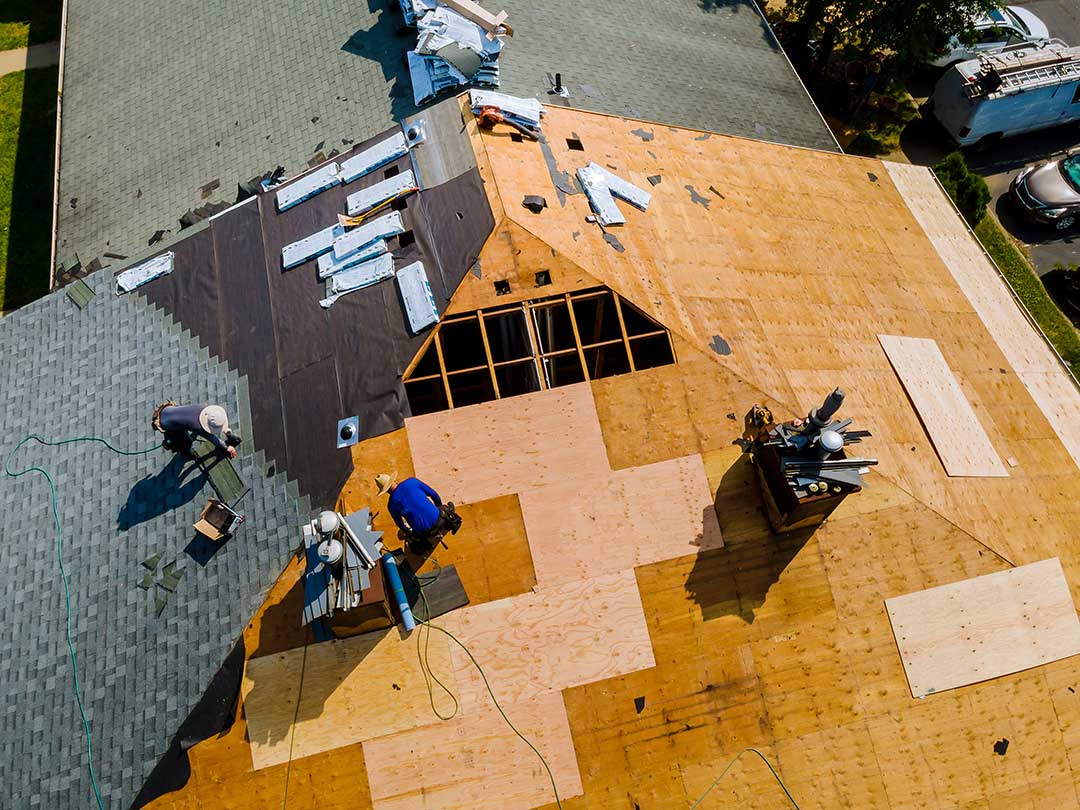
In many cases, a cricket can be added during a roof replacement or as part of a more focused repair. The work generally requires removing some roofing around the chimney, building or reshaping the framing, installing sheathing and underlayment, and integrating new flashing with the existing chimney and roof covering.
Adding one is more complicated on an older roof with brittle shingles, hidden water damage, or previous repairs. The condition of the chimney masonry also matters. Cracked mortar joints, deteriorated brick, or loose counterflashing can allow water into the same area even after a cricket is installed.
Because the work involves roof edges, steep surfaces, and chimney access, safety and code compliance are legitimate reasons for qualified roofing or building expertise. This is especially true when structural damage, active leakage, or unstable masonry is present.
Is a roof cricket the same as a saddle?
The terms “cricket” and “saddle” are often used interchangeably in roofing. Both can describe a raised, sloped structure that diverts water around an obstruction.
In some discussions, “saddle” refers broadly to the shape or function, while “cricket” refers more specifically to a framed roof structure behind a chimney. Terminology can vary among roofers, building officials, architects, and construction documents, so the important issue is the design and installation rather than the label.
What should homeowners check after a major storm?
After heavy rain, strong wind, or a substantial snowfall, a homeowner can safely look for visible changes from the ground or from an accessible attic area. Useful observations include:
- Missing or displaced roofing material
- New stains or dampness near the chimney
- Debris collecting behind the chimney
- Sagging roof areas
- Exposed flashing
- Water appearing after snow begins to melt
Walking on a roof to inspect the cricket is not necessary and can damage roofing materials or create a fall hazard. If an attic inspection reveals active dripping, wet insulation, or deteriorated wood, prompt attention can help limit the spread of damage.
A roof cricket is a relatively small part of a roofing system, but it performs an important drainage function. By directing water and snow around a chimney or other obstruction, it helps protect flashing, roof framing, interior finishes, and the long-term performance of the roof.
