
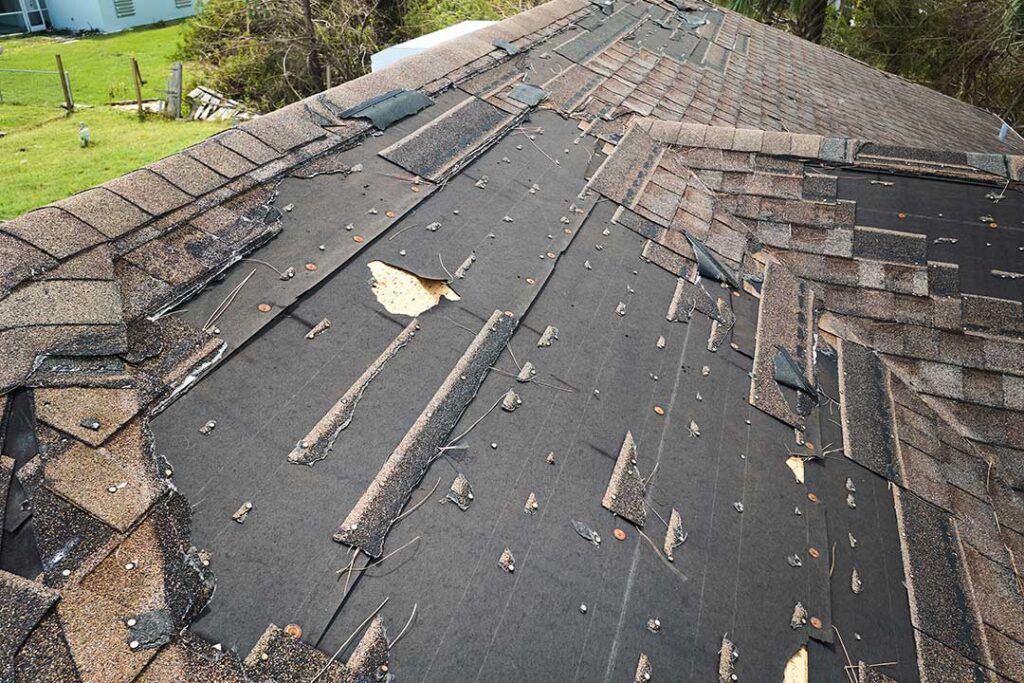
Why fall is the right time to check a roof
Fall is the last practical maintenance window before snow, ice, and repeated freeze-thaw cycles make roof problems harder to identify and repair. In Greene, NY, falling leaves, wind, rain, and early freezing temperatures can expose weak areas in shingles, flashing, gutters, and attic ventilation.
A roof does not need to look severely damaged to develop a winter leak. Small openings around flashing, loose shingles, blocked drainage, and damp attic insulation may become more serious after snow accumulates or ice forms along the eaves. A careful fall inspection helps identify these conditions while surfaces are still accessible and weather is more predictable.
What should homeowners inspect from the ground?
A ground-level inspection can reveal many problems without the risks of climbing onto the roof. Walk around the house on a clear day and look at the roofline, gutters, siding, and areas beneath roof edges.
Check for:
- Shingles that are missing, cracked, curled, lifted, or noticeably darker than surrounding shingles
- Exposed fasteners or gaps near chimneys, plumbing vents, skylights, and roof valleys
- Sagging areas along the roof deck or eaves
- Gutters that pull away from the fascia or appear uneven
- Water stains, streaks, or moss-like growth on exterior walls
- Granules collecting below downspouts or in large amounts near the foundation
- Branches or dead limbs that could strike the roof during a windstorm
A few dark patches may simply reflect shade or dampness, but persistent staining, visible openings, or a sagging roofline deserve prompt attention. Photographs taken from the ground can also help track whether a condition changes over time.
How should gutters and downspouts be prepared?
Gutters should be cleared after most leaves have fallen, not only at the beginning of autumn. Properties surrounded by mature trees may need a second check later in the season because a clean gutter can fill again within days.
Remove leaves, twigs, roof granules, and compacted debris from the channels. Then check that water can move freely through each downspout. A hose can be used from the ground or from a safely positioned ladder, but ladders should never rest against unstable gutters.
Downspouts should discharge water several feet away from the foundation where practical. If an outlet empties directly beside the house, fall rain and melting snow can saturate soil near the foundation and create additional moisture problems. Extensions should remain connected and pointed away from walkways, basement window wells, and areas where water can freeze into a slipping hazard.
Do not assume gutter screens eliminate maintenance. Leaves can collect on top, fine debris can pass through, and screens may become difficult for water to drain through when covered with wet organic material.
What roof damage should be repaired before winter?
The most urgent concerns are conditions that allow water beneath the roofing or prevent water from draining away. These include loose flashing, missing shingles, open seams, damaged vent boots, separated gutter joints, and blocked valleys.
Flashing around chimneys and roof-to-wall intersections deserves particular attention. These areas experience movement as materials expand and contract, and they are common locations for water entry. Sealant that is cracked, missing, or pulling away should not be treated as a permanent repair by itself; the underlying connection may need to be examined.
A small leak may appear indoors far from its actual entry point. Water can travel along rafters, roof decking, insulation, or ceiling framing before becoming visible. Look in attic spaces for damp insulation, darkened wood, rusty fasteners, daylight through the roof deck, or water marks near penetrations.
If a leak is active, if the roof structure is sagging, or if damage is located on a steep or slippery surface, avoid climbing onto the roof. Falls are a more immediate danger than many roof defects. Hazardous conditions require appropriate safety equipment and experience.
Can attic ventilation and insulation reduce winter roof problems?
Proper attic insulation and ventilation help keep roof temperatures more consistent. Warm air escaping into a cold attic can heat portions of the roof, melt snow unevenly, and contribute to ice formation near colder eaves. This pattern can allow meltwater to back up beneath roofing materials.
Fall is a useful time to inspect the attic for:
- Insulation that is thin, displaced, wet, or compressed
- Blocked soffit vents
- Exhaust fans that discharge into the attic instead of outdoors
- Moisture, mold-like staining, or frost marks
- Unsealed openings around plumbing, wiring, chimneys, or attic hatches

Ventilation should not be improved by simply adding a fan without understanding the existing airflow. Poorly placed or unbalanced ventilation can fail to solve moisture problems. Attic improvements may also involve electrical, fire-safety, or building-code considerations.
Should branches and roof debris be removed in fall?
Branches that touch the roof can scrape shingle surfaces, hold moisture against roofing materials, and provide a path for animals. Dead limbs above the roof are especially concerning because wind, wet snow, and ice can bring them down.
Keep roof valleys, low-slope sections, and areas behind chimneys free of leaves and accumulated debris. Organic material holds moisture and can slow drainage. It may also hide damaged shingles or flashing.
Avoid sweeping or blowing debris aggressively across shingles. Granules can be displaced, and brittle roofing materials may crack. Debris should be removed gently from safe locations, while steep or difficult roof areas should not be accessed without proper fall protection.
What should residents do after a fall storm?
After strong wind or heavy rain, inspect the ground around the home before inspecting the roof itself. Look for loose shingles, broken branches, pieces of flashing, damaged gutter sections, or new water marks indoors.
Inside the home, check ceilings, upper walls, attic spaces, and areas around chimneys and skylights. A musty odor or a new stain can indicate moisture even when there is no active dripping.
Do not use a ladder during high winds, on icy ground, or near overhead electrical lines. After an unusually heavy storm, roof surfaces may be unstable even when they appear dry. Snow and ice should not be removed by walking on the roof or chopping at ice dams, since both actions can damage roofing and create serious fall hazards.
A practical fall maintenance schedule
A simple schedule works well for many homes:
- Early fall: Inspect the roofline, flashing, attic, and overhanging branches.
- Mid-fall: Clear gutters and confirm that downspouts drain away from the foundation.
- After most leaves fall: Repeat the gutter inspection and remove fresh debris.
- Before the first hard freeze: Address visible openings, loose materials, drainage problems, and moisture concerns.
- After major storms: Check the ground, attic, ceilings, and roof edges for new signs of damage.
Homes with older roofing, large surrounding trees, recurring leaks, or past ice-dam problems may need closer monitoring. The goal is not to make a roof look perfect; it is to keep water moving away from the structure, reduce preventable moisture entry, and identify unsafe or deteriorating conditions before winter weather adds stress.
