
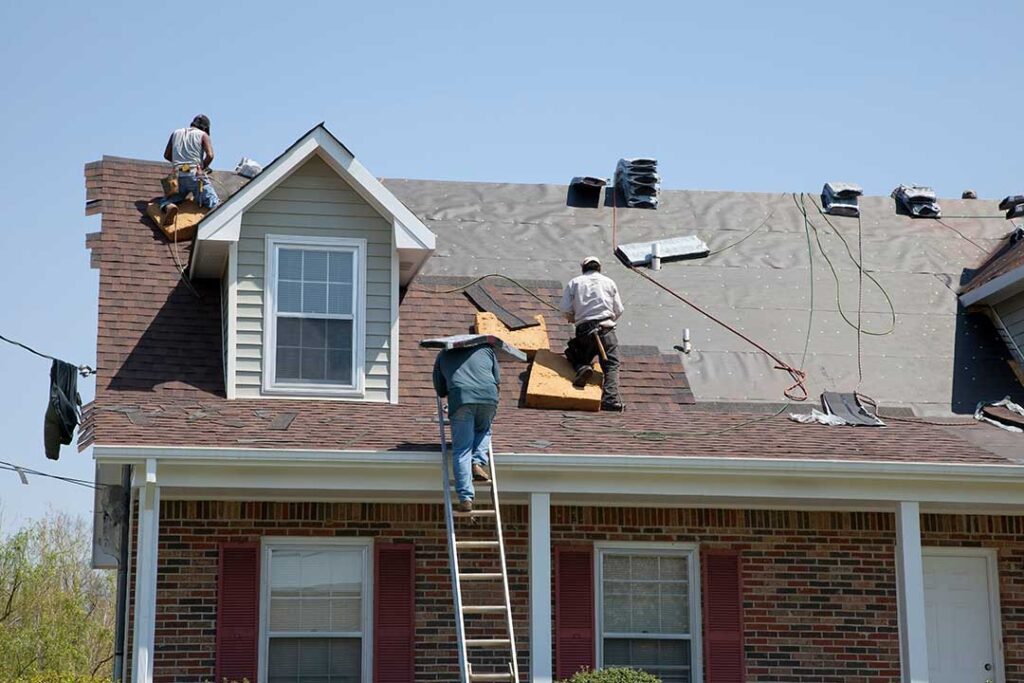
Tree limbs can affect a roof in several ways, from leaving small scratches and debris to causing sudden structural damage during a storm. In Greene, NY, seasonal wind, heavy rain, snow, ice, and freeze-thaw cycles can increase the strain on trees and roofing materials.
Understanding how limb contact develops, what warning signs to watch for, and which conditions require caution can help residents respond before a minor problem becomes an interior leak or a larger repair issue.
How can tree limbs damage a roof?
Tree limbs damage roofs through impact, repeated rubbing, trapped moisture, and blocked drainage. The amount of harm depends on the limb’s size, its condition, the roof material, and whether the contact continues over time.
A falling branch may:
- Crack or break roofing shingles
- Puncture underlayment or exposed decking
- Damage flashing around chimneys, vents, and roof edges
- Bend gutters, downspouts, or metal trim
- Break skylights or roof-mounted equipment
- Strike siding, windows, or exterior walls
- Create an opening where rain and melting snow can enter
Not every damaging limb falls during a major storm. A dead branch may drop on a calm day after becoming weakened by decay, insects, disease, or repeated weather exposure. Smaller branches can also collect in a tree canopy and fall later when wind or snow adds weight.
Can branches damage a roof without falling?
Yes. Branches that rest on or repeatedly scrape against roofing materials can cause gradual wear even if they never break away.
Wind moves limbs back and forth against shingles, metal roofing, ridge caps, and flashing. This friction can remove protective surface granules from asphalt shingles, loosen tabs, scratch finished metal, or disturb seals around roof penetrations. Damage may be difficult to see from the ground but can shorten the service life of the affected area.
Branches that touch the roof also hold moisture against the surface. Leaves, needles, and small twigs can collect beneath them, slowing evaporation and encouraging moss or algae growth in shaded areas. Moisture trapped near roof edges may also contribute to wood deterioration if it reaches exposed decking or fascia.
A branch does not need to be large to create a problem. Long, flexible limbs may repeatedly brush one area during ordinary breezes, while heavier limbs may press against the roof only after becoming loaded with wet snow or ice.
Why are tree limbs a concern during winter storms?
Winter weather can make otherwise stable branches hazardous. Snow and ice add weight to limbs, while cold temperatures can make wood more brittle. Wind then places additional stress on branch joints, trunks, and weakened areas.
Trees with multiple stems growing from one point, visible cracks, dead sections, or hanging branches deserve particular attention before winter weather arrives. Evergreen branches can remain heavily loaded because they hold snow more readily than many bare deciduous trees.
Roof damage may occur in several stages:
1. A limb bends under snow or ice and rubs against the roof.
2. The branch cracks but remains attached.
3. Wind moves the damaged limb against shingles or trim.
4. The limb eventually falls, sometimes taking other branches with it.
Snow and ice can also cause branches to sag onto gutters or roof edges. Even if the roof surface remains intact, damaged drainage components may cause water to spill against siding, trim, or the foundation.
What roof areas are most vulnerable?
Tree limbs commonly affect roof edges, valleys, and roof features that project above the surface. These areas may be more exposed to falling debris or more difficult to inspect.
Pay particular attention to:
- Roof edges and eaves
- Valleys where leaves and twigs collect
- Flashing around chimneys and vents
- Ridge caps and hip caps
- Skylights and other raised features
- Gutters and downspout connections
- Fascia boards and soffits
- Areas beneath trees with dead or overhanging branches
A limb that lands near a roof penetration can create a leak even when the surrounding shingles look undisturbed. Water may enter around loosened flashing and travel along the underside of the roof before appearing as a ceiling stain far from the original impact.
What signs suggest that a branch has caused roof damage?
Some signs appear immediately, while others develop after the next rainfall. A ground-level inspection may reveal:
- Shingles that are missing, cracked, lifted, or displaced
- Freshly exposed dark areas on the roof
- Broken branches resting on the roof
- Bent gutters or detached downspouts
- New dents in metal flashing
- Damaged chimney caps, vents, or skylights
- Leaves or water collecting where they did not collect before
Inside the home, watch for brown ceiling marks, damp attic insulation, musty odors, peeling paint, or water appearing near exterior walls. A leak may not become visible during the storm that caused the damage. It can take time for water to move through insulation, roof decking, or ceiling materials.
A new drip, sagging ceiling, or visible daylight through the roof should be treated as a more urgent condition. Electrical fixtures near water create an added hazard, so electricity to the affected area may need to be shut off if it can be done safely.
Is it safe to remove a branch from the roof?
Not always. A small, loose twig may be easy to remove from the ground using appropriate tools, but climbing onto a roof after a storm can be dangerous. Wet shingles, ice, unstable branches, and hidden structural damage increase the risk of falling.
Extra caution is necessary when:
- A tree or limb is touching electrical wires
- A large branch is suspended above the roof
- The roof is wet, icy, steep, or visibly damaged
- The roof is sagging
- A limb has broken through the roof
- The trunk is split or leaning toward the house
Branches near power lines should not be handled by residents. A damaged tree can shift unexpectedly, and cutting one section may release stored tension in another. Suspended limbs and trees with major cracks require specialized safety judgment.
How can residents reduce the risk before a storm?
Prevention begins with observing how nearby trees interact with the house. Branches that touch the roof, chimney, gutters, or siding should not be ignored simply because they have not caused visible damage.
Useful maintenance steps include:
- Inspecting trees before spring storms and before winter weather
- Removing dead, broken, or hanging branches when conditions are safe
- Keeping roof valleys and gutters clear of accumulated leaves and twigs
- Watching for trunk cracks, fungal growth, cavities, and weak branch joints
- Checking whether tree growth is pressing against roof edges or utility lines
- Looking at the roof after high winds, heavy snow, or ice events
Pruning should be performed carefully. Improper cuts can weaken a tree, encourage decay, or create new points of failure. Large branches, elevated limbs, trees near electrical lines, and visibly unstable trees present hazards that may require qualified assistance for safe removal.
What should be done after a limb hits the roof?
First, keep people away from the impact area and avoid walking beneath damaged branches. From the ground, look for obvious roof openings, fallen limbs, damaged utilities, and signs of structural movement.
If water is entering, place containers beneath active drips and move belongings away from the area when possible. Do not climb onto a sagging or visibly damaged roof. Temporary protection should only be attempted when it can be done without exposure to falling materials, electrical hazards, or unsafe roof conditions.
Photographs of the limb, roof surface, interior staining, and related damage can help document what happened. Keep damaged materials in place when practical until the condition has been safely evaluated, except where leaving them creates an immediate danger.
Tree limbs are part of the surrounding landscape, but their relationship with a roof changes over time. Regular observation, careful clearance, and prompt attention after severe weather can help distinguish ordinary seasonal debris from conditions that threaten the roof, attic, or interior of the home.
