
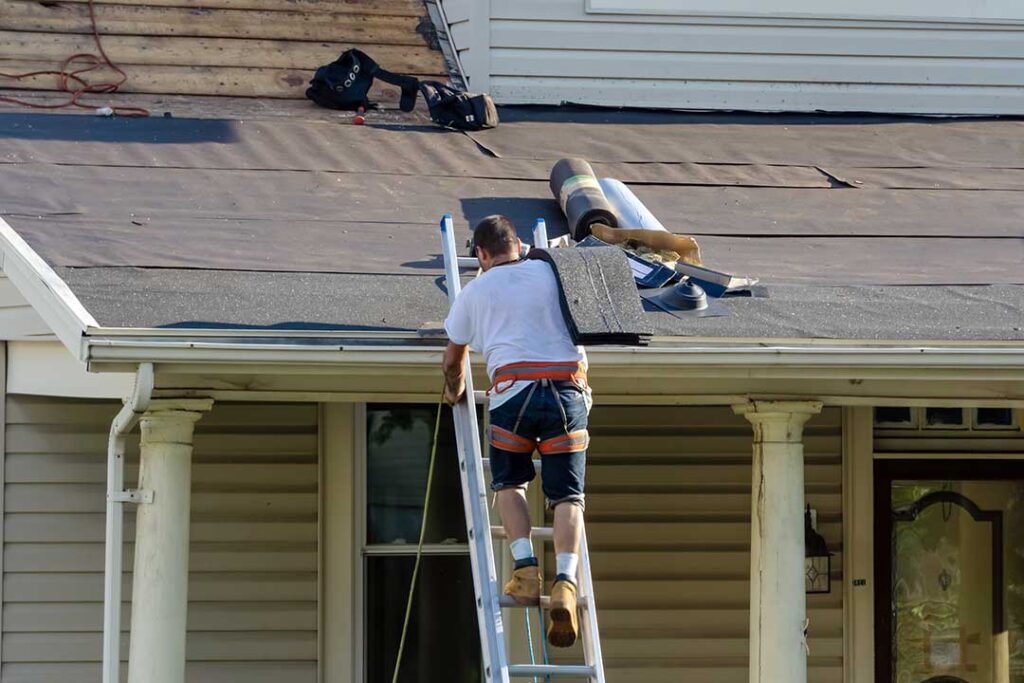
Green roofing can mean more than a rooftop garden. It may include planted roof systems, reflective “cool” roofing, solar-ready designs, rainwater-management features, or a combination of these approaches. For residents of Greene, NY, the right choice depends on the building’s structure, roof shape, winter conditions, maintenance capacity, and long-term goals.
For many homes, a full planted roof is not the simplest or most economical upgrade. However, certain green roofing features can make practical sense, especially during a roof replacement or new construction project.
What counts as a green roof?
A green roof is generally designed to reduce environmental impact or improve building performance. The term is used for several different roof strategies.
Vegetated roofs use layers of waterproofing, drainage material, growing medium, and plants. They are usually divided into two categories:
- Extensive systems: Lightweight, shallow, and planted with low-growing, drought-tolerant vegetation. These require less maintenance but are not intended for regular foot traffic.
- Intensive systems: Deeper and heavier, with more soil and a wider range of plants. They may support shrubs, paths, or garden areas, but they require stronger structural support and more care.
Other roofing choices may also be considered environmentally responsible:
- Light-colored or reflective roofing that reduces heat absorption
- Durable metal, slate, or other long-life materials that may need replacement less often
- Roof designs that support solar panels
- Drainage systems that slow and manage rainwater
- Insulation and air-sealing improvements that reduce heating and cooling demand
A roof does not have to be covered in plants to provide environmental benefits.
Are planted roofs suitable for Greene, NY?
They can be, but the roof must be designed for local weather and structural demands. Greene experiences cold winters, snow, freeze-thaw cycles, strong seasonal weather changes, and periods of heavy rainfall. A planted roof must be able to handle saturated growing media, snow, ice, wind, and water movement without allowing moisture into the building.
The main concern is weight. Soil and drainage materials become substantially heavier when wet. Snow accumulation adds another load, and drifting snow can concentrate weight in specific areas. A roof that supports ordinary shingles or metal panels is not automatically strong enough for a vegetated system.
Roof shape also matters. Low-slope roofs are generally more suitable than steep residential roofs because planted systems need stable growing media and controlled drainage. On a steep roof, additional restraint may be needed to prevent soil and vegetation from shifting.
For an existing building, a structural evaluation is necessary before considering a planted roof. This is especially true for older homes, buildings with previous roof alterations, or structures showing sagging, ceiling cracks, water damage, or other signs of stress.
What are the benefits of a green roof?
A properly designed vegetated roof can slow rainfall before it reaches gutters, downspouts, and ground-level drainage areas. The plants and growing medium temporarily hold water, while the drainage layers release some of it over time.
That can be useful during heavy summer storms, when rapid runoff may contribute to erosion, ponding, or overloaded drainage systems. Green infrastructure is most effective as part of a larger site plan that may also include rain gardens, planted areas, grading improvements, or rainwater storage.
Vegetated roofs can also:
- Protect the waterproofing membrane from direct sunlight and temperature swings
- Reduce roof-surface temperatures during warm weather
- Provide habitat for insects and birds
- Add visual interest to a garage, porch, addition, or low-slope outbuilding
- Offer some insulation value, depending on the complete roof assembly
These benefits are real, but they do not eliminate the need for sound roof construction. Plants cannot compensate for poor flashing, inadequate drainage, weak structure, or a damaged roof deck.
What are the disadvantages?
The main disadvantages are cost, weight, access, and maintenance.
A planted roof has more layers and more installation details than a conventional roof. Drainage paths, root protection, waterproofing, edge restraints, overflow provisions, and inspection access all need to work together. Repairs may also be more complicated because vegetation and growing media may need to be moved to reach the roof membrane.
Maintenance is usually lighter for an extensive roof, but it is not maintenance-free. Periodic inspections may be needed to remove unwanted plants, clear drains, check edge conditions, and look for erosion or exposed membrane. During dry periods, plants may require watering, particularly while they are becoming established.
Winter conditions create another consideration. Vegetation may go dormant, and snow may remain on the roof for extended periods. Freeze-thaw movement, ice buildup near drains, and blocked overflow routes should be considered during design rather than addressed after installation.
Are reflective roofs a simpler green option?
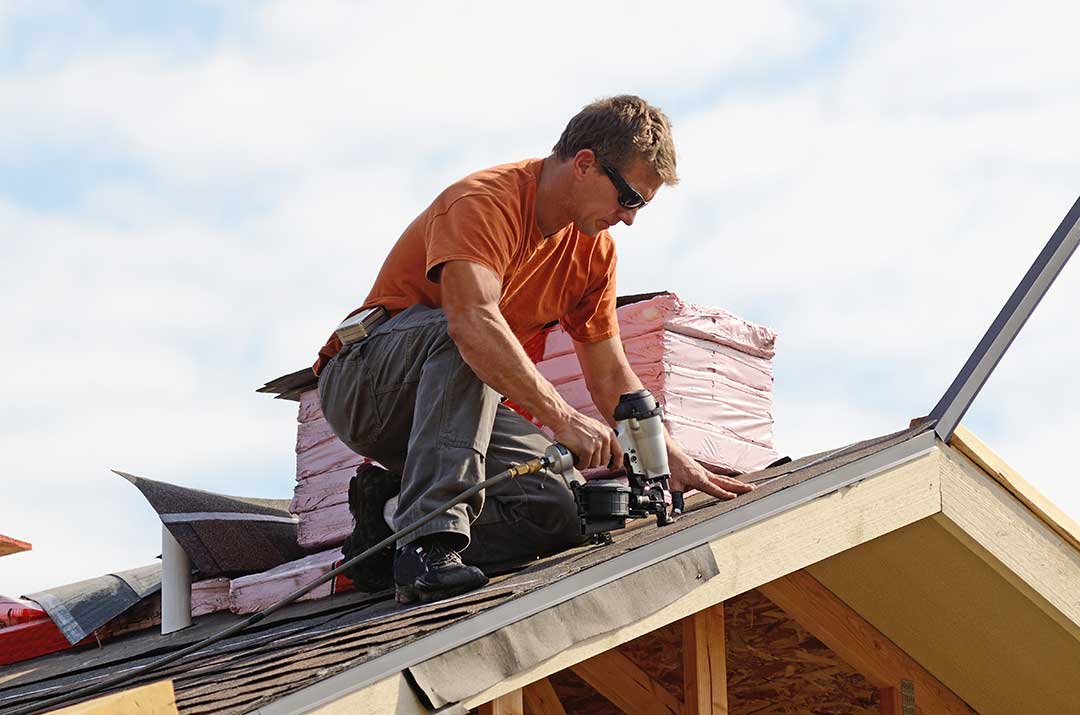
For many households, yes. A reflective roof can reduce heat gain during sunny weather without adding the weight or maintenance demands of a planted system.
This option is more valuable on low-slope roofs, additions, garages, and buildings with significant summer cooling needs. Its benefits may be less noticeable in a home that relies mainly on heating and has limited air-conditioning use. In a cold climate, reducing summer heat is only one part of the energy picture; insulation, air sealing, ventilation, and moisture control remain essential.
A reflective surface also does not make a poor roof environmentally responsible. If the roof leaks, has inadequate ventilation, or needs early replacement, those problems should be addressed first.
Can a green roof help with heating and cooling costs?
Sometimes, but savings vary widely. A vegetated roof may moderate roof temperatures and provide some additional thermal protection. A reflective roof may reduce summer heat entering the building. Neither option replaces properly installed insulation and air sealing.
In Greene, winter heating demand is likely to be more significant than summer cooling demand for many homes. That means the greatest energy benefit may come from improving the entire roof assembly, including insulation levels, ventilation design, air barriers, and moisture control.
Energy performance should be evaluated across the full year, not based only on how cool the roof surface feels in July.
What should homeowners check before choosing one?
Before selecting a green roof system, consider:
- Roof slope: Low-slope roofs are generally easier to adapt than steep roofs.
- Structural capacity: The roof must support saturated materials, vegetation, snow, maintenance loads, and possible snow drifting.
- Drainage: Drains, gutters, scuppers, and emergency overflow routes must remain functional.
- Waterproofing: The membrane must be suitable for long-term moisture exposure and root protection.
- Access: Maintenance and inspection require a safe way to reach the roof.
- Sun and shade: Plant selection depends on sunlight, wind exposure, and seasonal conditions.
- Fire and code requirements: Roof assemblies must meet applicable New York State requirements.
- Future repairs: The design should allow the roof membrane and drainage components to be inspected and repaired.
A roof replacement is often the most practical time to consider these questions because the deck, insulation, drainage, and waterproofing can be evaluated together.
So, are green roofing options worth it?
They can be worth it when the building is structurally suitable, the owner accepts ongoing maintenance, and the environmental or stormwater benefits justify the added complexity.
For a typical pitched home roof, a full vegetated system may be impractical. A long-lasting roofing material, improved insulation, better drainage, and a reflective surface may provide a more balanced result. For a low-slope addition, detached structure, or specially designed new building, an extensive planted roof may be a reasonable option.
The most useful question is not whether green roofing is automatically better. It is whether a particular roof can safely support the system, manage water and snow, meet code requirements, and provide benefits that justify its added cost and care.
