
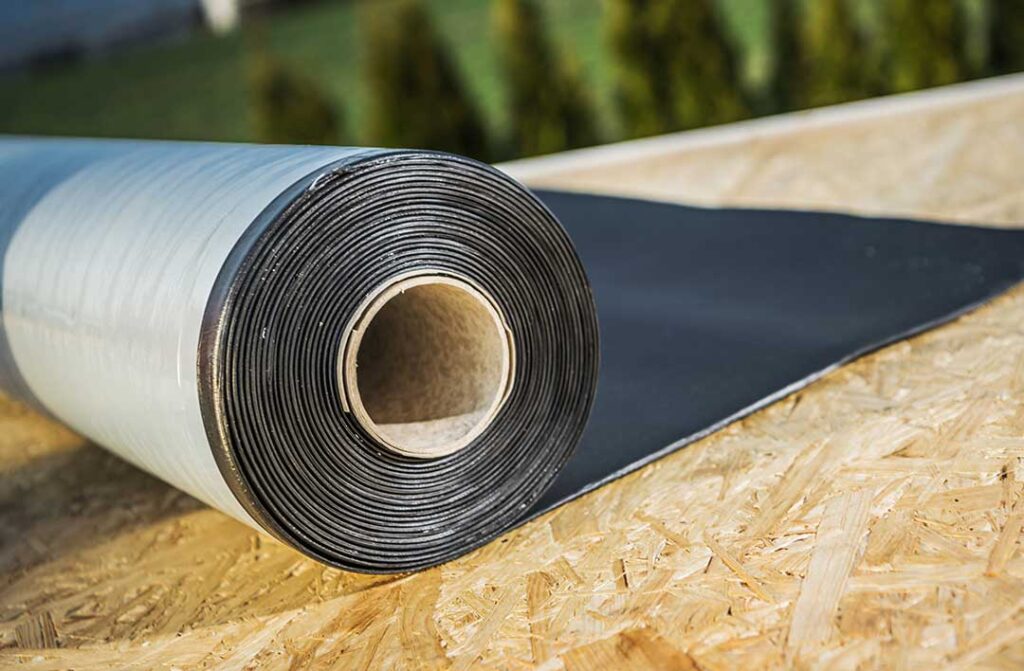
Roofing materials are designed to withstand changing conditions, but repeated exposure to sun, rain, snow, ice, wind, and temperature swings gradually reduces their ability to protect a home. In Greene, NY, roofs commonly face several of these stresses within the same season, making routine observation especially useful.
Understanding how weather affects roofing can help residents recognize early warning signs, reduce avoidable damage, and respond appropriately when a problem appears.
How does rain affect a roof?
Rain can damage a roof when water remains trapped, enters through a small opening, or flows where the roofing system was not designed to direct it. A properly installed roof sheds water toward gutters and drainage areas, but damaged shingles, loose flashing, blocked gutters, and sagging sections can interrupt that flow.
Repeated rainfall may cause:
- Water stains on ceilings or upper walls
- Damp insulation in the attic
- Rot around roof edges, valleys, or roof penetrations
- Rust or deterioration around metal flashing
- Mold or mildew caused by persistent moisture
- Leaks that appear far from the original entry point
A roof does not need to look severely damaged for water to be entering. A small lifted shingle or cracked seal around a vent can allow moisture behind the visible roofing surface. Because water can travel along rafters, sheathing, and insulation, the interior stain may not line up directly with the roof defect.
After periods of heavy rain, check the attic if it can be accessed safely. Look for damp wood, darkened insulation, musty odors, or small points of daylight. These signs should not be ignored, especially before the next round of wet weather.
What does snow do to roofing?
Snow affects a roof through weight, moisture, and repeated freezing and melting. Most residential roofs are designed to carry typical local snow loads, but problems can develop when snow accumulates unevenly or combines with existing structural weakness.
Deep or wet snow is heavier than light, powdery snow. Areas near roof valleys, dormers, lower roof sections, and additions may collect more snow than open sections. Uneven loading can place extra stress on roof framing and may contribute to sagging.
Warning signs include:
- A visible dip or curve in the roofline
- Doors or windows that suddenly stick
- Cracks in interior ceilings or drywall
- New popping or creaking sounds
- Water entering near the lower edge of the roof
- Gutters pulling away from the fascia
Snow should not be climbed onto or removed with improvised tools. Walking on a snow-covered roof can cause falls and may damage shingles. In hazardous conditions, decisions about removal should account for roof pitch, depth of accumulation, access, and the condition of the structure.
Why does ice create roof leaks?
Ice-related leaks are often caused by ice dams. An ice dam forms when heat escapes into the attic and warms the underside of the roof. Snow melts on the warmer upper section, then refreezes near the colder eaves. The resulting ice blocks normal drainage, allowing meltwater to move beneath shingles and into the roof assembly.
Ice dams are more likely when a roof has uneven insulation, inadequate air sealing, limited attic ventilation, or areas where snow naturally accumulates. They can also form after repeated cycles of daytime melting and nighttime freezing.
Common signs include:
- Thick ice along the lower roof edge
- Icicles combined with roof-edge ice
- Water stains near exterior walls or ceilings
- Peeling paint near upper-floor windows
- Damp insulation at the eaves
Icicles alone do not prove that a roof has an ice dam, but large recurring formations can indicate uneven heat loss or drainage problems. Long-term improvement usually involves addressing attic insulation, air leakage, ventilation, and roof drainage rather than simply removing visible ice.
How does wind damage shingles and flashing?
Wind can lift, loosen, crease, or remove roofing materials. Damage is more likely where shingles are already aged, brittle, poorly sealed, or weakened by previous weather exposure. Wind can also loosen flashing around chimneys, vents, skylights, and roof-to-wall intersections.
After a strong wind event, look for:
- Shingles in the yard or driveway
- Shingles that appear raised, curled, or misaligned
- Exposed underlayment or dark roof decking
- Loose metal flashing
- Damaged gutters, soffits, or fascia
- Tree limbs resting on the roof
Wind damage is not always obvious from the ground. A shingle may remain in place while its adhesive seal has broken, leaving it vulnerable to future storms. Missing pieces should not be covered with temporary materials that trap moisture or create additional hazards without understanding the condition underneath.
Can summer heat and sunlight damage a roof?
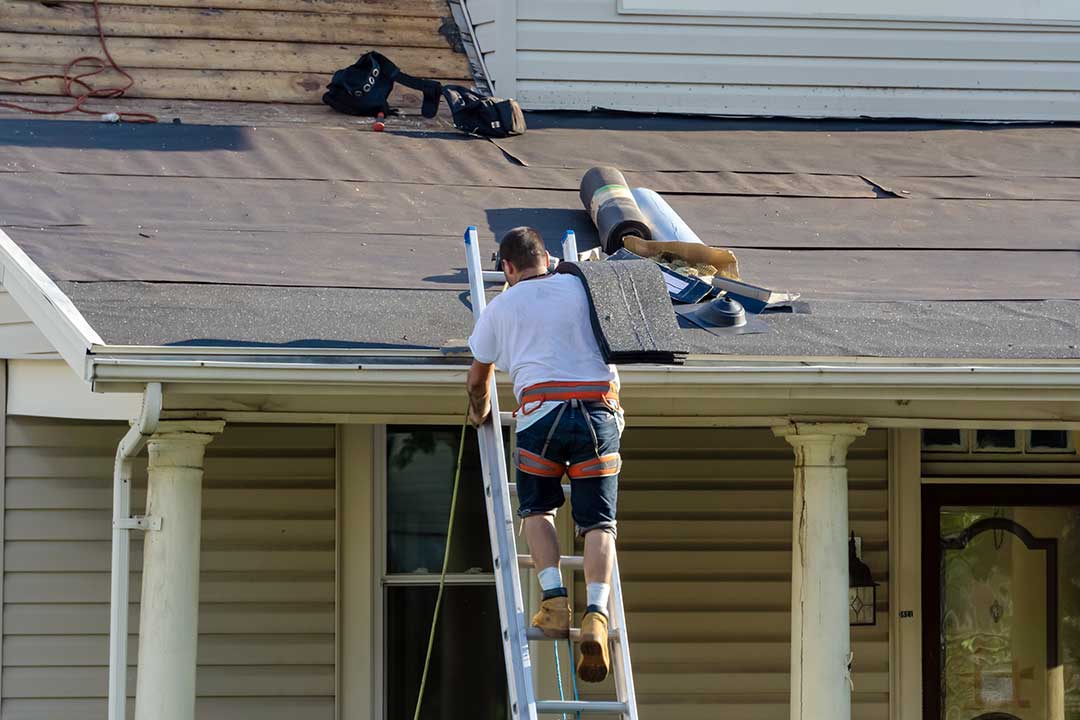
Yes. Sunlight and heat gradually age roofing materials, especially on slopes with strong afternoon exposure. Ultraviolet radiation can dry and weaken asphalt-based materials, while repeated expansion and contraction can stress seams, fasteners, flashing, and sealants.
Heat-related signs may include:
- Brittle or cracked shingles
- Loss of surface granules
- Curling or cupping edges
- Cracked pipe-boot materials
- Deteriorated caulking
- Excessive attic heat
Dark granules in gutters may come from normal aging, but a sudden or heavy accumulation can indicate accelerated surface wear. Shingle color changes are not always a defect; however, exposed fiberglass, widespread curling, or visible cracking suggests that the roof’s weather resistance is declining.
Good attic ventilation and adequate insulation can help moderate roof temperatures. They also reduce the amount of indoor heat escaping into the roof space during cold weather.
How do temperature changes affect roofing?
Temperature swings cause roofing components to expand and contract. Over time, this movement can loosen fasteners, open small cracks, weaken adhesive seals, and stress joints where different materials meet.
This is particularly relevant in a climate with cold winters, warm summers, and frequent transitions around freezing. A roof may appear intact in autumn but develop leaks during winter or spring because small weaknesses become more active under changing conditions.
Roof penetrations deserve special attention because they combine several materials and create natural points for movement. Vents, chimneys, skylights, valleys, and wall intersections should be observed for cracked flashing, gaps, staining, or loose components.
Which roof problems require prompt attention?
Some conditions can safely wait for a planned inspection, while others should be treated as urgent because they may lead to structural or interior damage.
Prompt attention is appropriate when there is:
- Active water dripping inside the home
- A sagging roof area or ceiling
- Significant storm debris
- A large section of missing roofing
- Exposed electrical components near a leak
- Heavy ice blocking drainage
- A tree or large limb resting on the structure
Place containers under interior drips if necessary, keep people away from sagging ceilings, and avoid climbing onto a wet, icy, or damaged roof. If electrical wiring may be wet, avoid touching affected fixtures or materials.
What seasonal roof checks make sense in Greene, NY?
A practical schedule is to observe the roof from ground level in spring and fall, and again after major wind, rain, or snow events. Clear gutters and downspouts when leaves and debris begin to restrict drainage, while taking care not to lean ladders against gutters or unstable roof edges.
Look for changes rather than trying to identify every technical defect. A new stain, a different roofline, missing granules, recurring ice buildup, or a gutter that begins to sag can provide an early warning.
Keeping brief notes or photographs from safe ground-level locations can also make it easier to compare the roof from season to season. The goal is not to eliminate every effect of weather, but to recognize developing problems before moisture, ice, or structural stress spreads beyond the original area.
