
Rain on a roof can create anything from a soft, relaxing sound to a sharp, disruptive drumming. The difference usually depends on the roofing material, the ceiling and attic assembly, the condition of the roof, and how directly rain strikes the surface.
In Greene, NY, regular rainfall through spring, summer, and fall makes this a familiar concern for many households. Cold winters and occasional snow or ice can also affect roofing materials, attic insulation, and fasteners, which may change how sound travels through the home.
Why does rain sound loud on some roofs?
Rain noise is produced when drops strike the roof surface and cause small vibrations. Those vibrations can travel through the roof covering, sheathing, framing, ceiling, and interior finishes.
Metal roofing often receives the most attention because raindrops can create a clear, sharp sound on a broad, rigid surface. However, asphalt shingles, membrane roofing, and other materials can also transmit noise, particularly when the roof has little insulation or when the ceiling below is made from thin materials.
Several conditions can increase the sound:
- A bedroom or living area directly beneath the roof
- An unfinished or lightly insulated attic
- A low-slope roof over a room
- Loose roof panels, flashing, gutters, or downspouts
- Hard interior surfaces that reflect sound
- Skylights or roof windows exposed directly to rainfall
- Heavy rain striking a roof section with no overhang or nearby obstruction
Rain may also sound louder during a storm because wind changes the angle and speed of falling water. Drops driven sideways can strike flashing, siding, vents, and gutters rather than only the main roof surface.
Can attic insulation reduce rain noise?
Yes. Adding or improving attic insulation is often one of the most effective ways to reduce the amount of rain noise that reaches rooms below. Insulation absorbs some sound energy and reduces the open air space through which sound can reverberate.
The result depends on the entire ceiling assembly. Insulation alone may not eliminate noise if there are gaps around attic access doors, recessed fixtures, plumbing penetrations, or wiring openings. Air movement through these openings can also carry sound.
For an attic floor, useful improvements may include:
- Replacing compressed, uneven, or missing insulation
- Sealing visible air gaps before adding insulation
- Weatherstripping the attic access panel
- Installing an insulated attic hatch or cover
- Avoiding blocked soffit or ridge ventilation
- Keeping insulation away from fixtures that require clearance
Insulation should not be packed into ventilation channels at the roof edge. Proper airflow helps control moisture and summer heat, and blocking that airflow can create condensation or shorten roof life.
If the roof slopes directly along the interior ceiling, rather than over a conventional attic, insulation work is more complicated. In that situation, adding material from inside the room may require careful attention to moisture control, ventilation, and electrical clearances.
What roof materials are quieter in rain?
Roofing materials differ in how strongly they respond to impact. There is no single material that is quiet in every home because the roof deck, insulation, underlayment, ceiling, and room layout all matter.
In general, asphalt shingles tend to produce a softer rain sound than exposed metal roofing because the shingles contain multiple layers and have a textured surface. Metal roofing can be made quieter when installed over solid sheathing with appropriate underlayment and insulation rather than over widely spaced framing.
Other factors include roof thickness, panel shape, fastening, and whether the material is installed over a continuous deck. A roof with loose components can rattle or vibrate even if the primary covering is not naturally loud.
When a roof is being replaced, sound control can be considered along with durability, snow performance, ventilation, and moisture management. The quietest material is not automatically the best choice if the roof assembly is poorly designed or improperly installed.
Does underlayment help with rain noise?
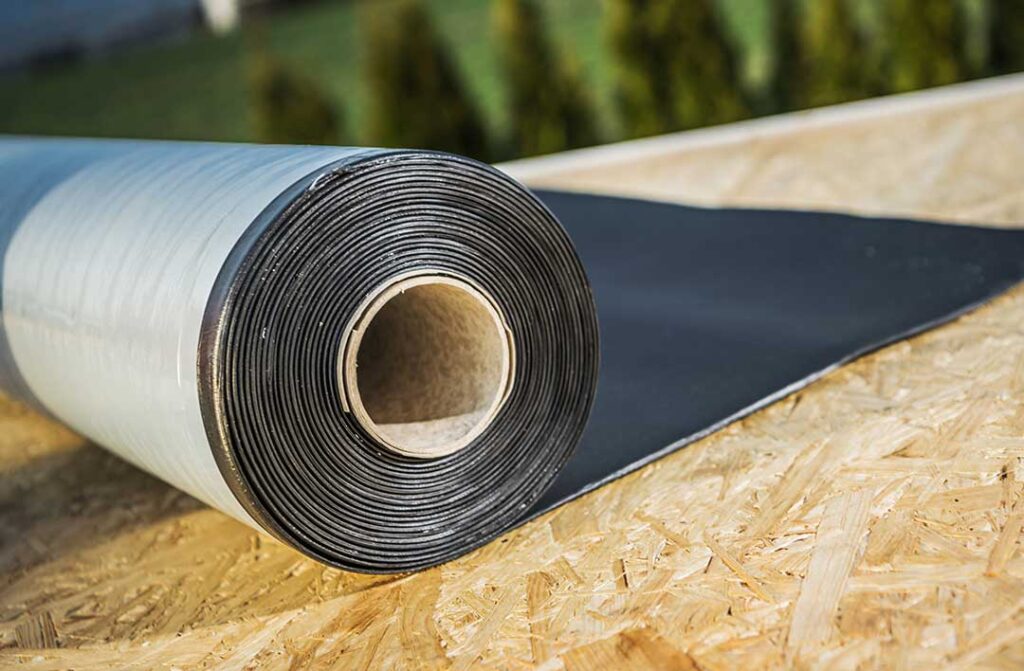
Underlayment can reduce some vibration and soften the sound of raindrops, especially when used with solid roof decking. Its primary purposes, however, are water resistance and protection beneath the roof covering.
Underlayment should not be treated as a substitute for attic insulation or a well-built ceiling. It may contribute to a quieter assembly, but the greatest interior improvement often comes from adding mass and absorption below the roof deck.
Roof replacement is also an opportunity to inspect the sheathing. Plywood or oriented strand board that is loose, damaged, or poorly fastened may flex and produce extra noise. Repairs should address the cause of movement rather than simply adding another layer of material.
How can rattling around the roof be distinguished from normal rain noise?
Normal rain noise is usually steady and changes with rainfall intensity. Rattling, tapping, or clanging that continues after the rain becomes lighter may point to a loose component.
Potential sources include:
- Loose metal flashing
- An unsecured chimney cap
- A vent cover or roof accessory
- Gutter sections or downspouts
- Branches touching the roof
- Unfastened siding or trim
- Attic fans or other mechanical equipment
- Ice or debris shifting during freezing weather

A sound that appears only during wind-driven storms may come from flashing or an edge detail rather than the main roof surface. Sudden new noises should be investigated, especially if they occur with water stains, damp insulation, ceiling discoloration, or drafts.
Roof access is hazardous during rain, snow, ice, and high winds. A visual inspection from the ground, attic, or upper-floor window is safer than walking on a wet roof.
Can gutters and downspouts make rain sound louder indoors?
Yes. Water falling through a downspout can create a hollow or booming sound, particularly when the downspout is attached to an exterior wall beside a bedroom. Water dripping from an edge into a gutter can also produce repeated tapping.
Possible ways to reduce this noise include:
- Checking that gutters are securely fastened
- Removing leaves and sediment that interrupt water flow
- Correcting sections that hold standing water
- Securing loose downspout straps
- Confirming that downspouts are not striking siding
- Directing discharge away from foundations and walkways
- Checking whether a branch or roof edge is dripping onto metal
Downspout noise is sometimes mistaken for roof noise because it travels through wall framing. Listening during a storm from different rooms can help identify whether the sound is above, beside, or outside the room.
What interior changes help absorb rain noise?
Soft interior materials can reduce reflected sound even when they do not change the roof itself. Rugs, upholstered furniture, curtains, fabric shades, and bookshelves can make a room feel quieter by reducing echo.
A ceiling with additional mass can also block more sound, but modifications must account for wiring, plumbing, light fixtures, ventilation, and fire-safety requirements. Adding a second ceiling layer without sealing gaps may provide less benefit than expected.
Bedrooms beneath a noisy roof may benefit from moving the bed away from the loudest area, using a fabric window treatment, or adding sound-absorbing furnishings. These steps do not repair a roof, but they can improve comfort while larger work is being planned.
When is rain noise a sign of a roofing problem?
Rain noise by itself is usually a comfort issue rather than evidence of a leak. It becomes more concerning when it is accompanied by staining, musty odors, wet insulation, peeling paint, visible daylight, or a sudden change in the roof’s sound.
In the local climate, repeated wetting, freeze-thaw cycles, snow, and ice can expose weaknesses in flashing, seals, roof edges, and drainage details. Any water entry should be addressed promptly because a small leak can damage insulation, ceiling materials, framing, and interior finishes.
The most effective solution usually combines proper roof maintenance with a complete ceiling or attic assembly: secure roofing components, sound roof decking, controlled ventilation, adequate insulation, and sealed air pathways. Reducing noise is possible, but it should never involve blocking ventilation or covering evidence of moisture.
