
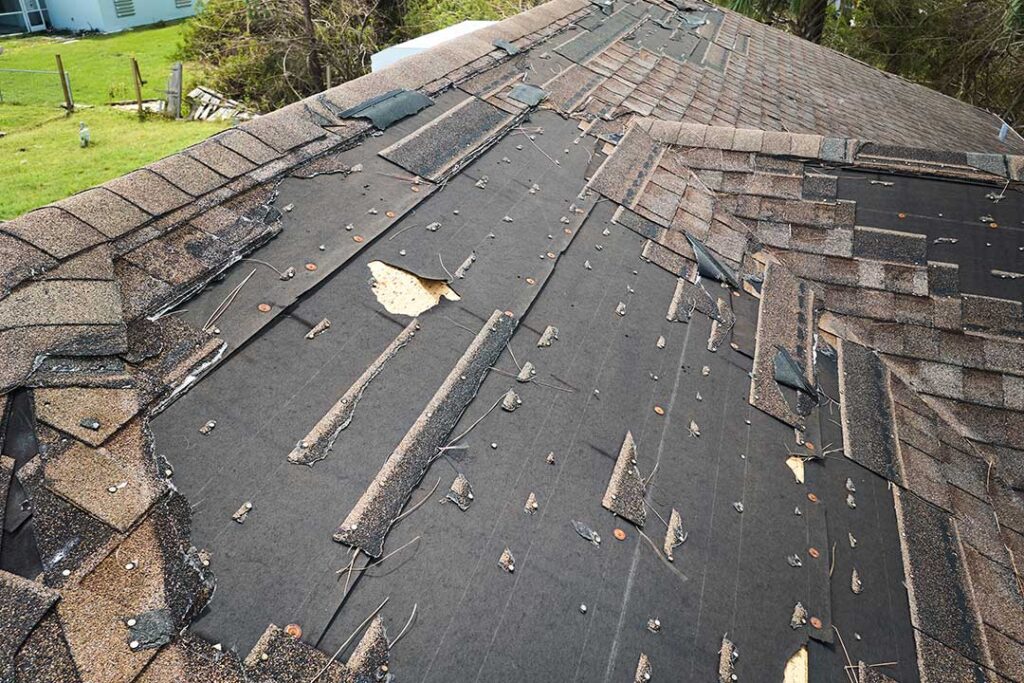
Which roofing material is more practical for Greene, NY homes?
Both asphalt shingles and metal roofing can perform well in Greene, NY. The better choice depends on the roof’s slope, the home’s structure, the expected service life, maintenance preferences, appearance, and available budget.
Local roofs must handle changing conditions through the year, including freeze-thaw cycles, wind, rain, ice, snow, summer heat, and occasional heavy storms. Neither material is automatically right for every house. The quality of the roof deck, flashing, ventilation, underlayment, and installation details often matters as much as the visible roofing material.
What are the main differences between asphalt shingles and metal roofing?
Asphalt shingles are layered roofing products made from a fiberglass mat coated with asphalt and mineral granules. They are installed in overlapping courses and are available in many colors and profiles.
Metal roofing is made from steel, aluminum, or other corrosion-resistant metals. It may be installed as interlocking shingles, standing-seam panels, or other panel styles. The panels or shingles shed water through overlapping joints and carefully sealed penetrations.
The most important differences are usually:
- Expected service life: Asphalt shingles commonly last roughly 15 to 30 years, depending on product quality, ventilation, installation, weather exposure, and maintenance. Metal roofing can last several decades, with service life often extending beyond that of standard asphalt shingles when properly designed and maintained.
- Initial cost: Asphalt is usually less expensive to purchase and install. Metal generally requires a larger initial investment.
- Weight: Both materials can be suitable for residential structures, but the complete roof assembly and existing layers must be considered.
- Weather behavior: Metal handles wind, rain, and repeated wetting well when properly fastened. Asphalt shingles can also perform reliably but may be more vulnerable to granule loss, wind damage, and aging.
- Appearance: Asphalt provides a familiar look that suits many traditional homes. Metal is available in styles that range from understated to distinctly modern or agricultural in character.
- Repair approach: Individual asphalt shingles can often be replaced without disturbing a large area. Metal repairs depend on the panel system, fasteners, seams, penetrations, and the location of the damage.
Does metal roofing perform better in snow and ice?
Metal roofing can shed snow more readily than asphalt shingles, especially on steeper roofs. That can reduce the amount of snow remaining on the roof, but it also creates a safety concern: sliding snow and ice can fall suddenly from smooth metal surfaces.
Snow guards or other retention measures may be needed above entrances, walkways, porches, driveways, or frequently used areas. Their placement should be considered during design rather than added only after a problem occurs.
Asphalt shingles provide more surface friction, so snow may remain in place longer. This can reduce sudden roof-slide hazards, but it also means the roof may carry snow for a greater period. The roof structure, slope, insulation, ventilation, and local snow conditions all affect how much accumulation matters.
A metal roof does not eliminate the need for proper snow-load planning. Nor does an asphalt roof automatically require snow removal. Roof access during winter can be dangerous, and snow or ice should not be removed casually with tools that may damage the covering.
Which roof is better for ice dams?
Neither material prevents ice dams by itself. Ice dams form when heat escapes into the attic, melts snow on warmer sections of the roof, and the water refreezes near colder eaves.
The most effective prevention usually involves a properly insulated and air-sealed attic, balanced ventilation, suitable underlayment near vulnerable eaves, and control of heat sources such as poorly insulated ducts or recessed fixtures.
Metal roofing may allow water to move more easily beneath some snow conditions, but it can still develop leaks if ice accumulates around edges, valleys, flashing, or penetrations. Asphalt shingles also depend on correct underlayment and flashing to resist water that backs up behind an ice dam.
Is metal roofing noisier than asphalt shingles?
Metal roofing can sound louder during heavy rain or hail, particularly in an attic with little insulation or when panels are installed directly over a solid surface without adequate sound control.
In a finished, insulated roof assembly, the difference is often less noticeable than people expect. Roof decking, insulation, underlayment, ceilings, and attic finishes all affect sound transmission. A metal roof should not be judged by the sound of a thin panel installed in an unfinished structure.
Does a metal roof make a house hotter in summer?
A metal roof does not necessarily make a house hotter. Heat gain depends on color, coating, ventilation, insulation, air sealing, roof assembly, and ceiling design.
A light-colored or reflective metal finish can reduce solar absorption, while a dark finish may absorb more heat. Asphalt shingles also vary in color and surface characteristics. In either case, a well-insulated attic and properly designed ventilation are more important than the roofing material alone.
Which material is easier to maintain?
Asphalt shingles should be checked periodically for missing tabs, lifted edges, cracking, exposed fasteners, excessive granule loss, and damaged flashing. Moss, leaves, and branches should not be allowed to remain on the roof, especially in shaded or damp areas.
Metal roofing generally resists rot and insect damage, but it still requires inspection. Common concerns include loose fasteners, failed sealants, scratched coatings, corrosion at cut edges, damaged flashing, and debris trapped around valleys or roof penetrations.
Metal panels can also expand and contract with temperature changes. The fastening system must allow for movement where the design requires it. Incorrect fasteners or incompatible metals can create problems that are not visible from the ground.
Can either material be installed over an existing roof?
Sometimes, but the answer depends on the condition of the existing roof, the roof deck, local code requirements, the number of existing layers, and the design of the new system.
Installing over hidden damage can trap moisture and make future repairs more difficult. A roof may look acceptable from above while the decking beneath has weakened around chimneys, valleys, plumbing vents, or areas affected by long-term leaks.
Roofing work in New York must follow applicable residential code requirements, including rules for underlayment, wind resistance, flashing, ventilation, and roof assemblies. Re-roofing details can vary depending on the building and the scope of the work.
Which option has the lower long-term cost?
Asphalt shingles usually have the lower upfront cost, which can make them practical when a household needs a straightforward replacement or wants to match nearby homes.
Metal roofing may offer a lower cost over a longer ownership period because it can last longer and may need fewer full replacements. However, that advantage depends on the quality of the metal, coating, fasteners, flashing, installation, and maintenance. A poorly designed metal roof can develop costly problems despite the material’s reputation for durability.
Homeowners comparing prices should look beyond the covering itself. The total roof assembly may include deck repairs, underlayment, ice-barrier protection, flashing, ventilation improvements, insulation work, trim, gutters, and disposal of old materials.
How should a homeowner choose?
Asphalt shingles may be the more practical choice when lower initial cost, conventional appearance, simple repairs, and broad installer familiarity are priorities.
Metal roofing may be a stronger fit when long service life, reduced replacement frequency, resistance to moisture, or a particular architectural appearance matters more than the initial expense.
Before deciding, examine the roof’s slope, attic ventilation, insulation, existing layers, flashing condition, tree exposure, snow-slide risks, and areas where water has leaked before. The best roofing material is the one that suits the entire roof assembly and the way the house is used—not simply the material with the longest advertised lifespan.
