
What does the roofing process involve?
For a home in Greene, NY, roofing usually follows a sequence of planning, inspection, preparation, installation, and final cleanup. Understanding each stage helps homeowners recognize what should happen, what decisions matter, and where unexpected problems can appear.
A roofing project may involve a small repair, a partial replacement, or a complete tear-off and new installation. The exact process depends on the roof’s age, slope, materials, ventilation, previous repairs, and the condition of the underlying wood.
How is a roof evaluated before work begins?
The process starts with an inspection from the ground and, when safe, from the roof surface or attic. The goal is to determine whether the problem is limited to a visible area or connected to a larger issue.
An evaluation may look for:
- Missing, cracked, curled, or loose shingles
- Damaged flashing around chimneys, vents, skylights, and wall intersections
- Sagging roof planes or weakened roof edges
- Water stains, damp insulation, or mold-like growth in the attic
- Blocked or poorly balanced ventilation
- Granules collecting in gutters
- Ice-dam damage or repeated winter leaks
- Soft or rotted roof decking
A ceiling stain does not always appear directly below the leak. Water can travel along rafters, insulation, or roof decking before entering the living space. For that reason, covering the visible stain may not solve the underlying problem.
Is a repair enough, or is replacement necessary?
A repair may be reasonable when damage is isolated and the surrounding roofing remains in sound condition. Replacement becomes more likely when the roof has widespread deterioration, repeated leaks, significant storm damage, or multiple layers that are no longer performing well.
Age alone does not determine whether a roof must be replaced. A relatively young roof can fail because of poor ventilation, installation defects, wind damage, or prolonged moisture exposure. An older roof may continue to protect a home if it has been well maintained and has no serious underlying damage.
Warning signs that deserve closer evaluation include:
- Leaks in more than one area
- Shingles that are brittle or losing their protective granules
- Exposed fasteners or deteriorated sealant
- Sagging along the ridge, valleys, or roof edges
- Daylight visible through the roof deck from the attic
- Repairs that have been repeated in the same location
What preparation happens before installation?
Before roofing work begins, the area around the home is prepared to protect siding, windows, landscaping, walkways, and outdoor belongings. Vehicles and loose objects may need to be moved away from the work zone.
The roofing plan should also account for weather. In Greene, NY, roofing work must be scheduled around rain, snow, freezing temperatures, wind, and rapid changes in seasonal conditions. Roofing materials generally need suitable temperatures and dry surfaces for proper handling, sealing, and adhesion.
Preparation may include:
- Confirming the scope of work and roofing materials
- Reviewing roof penetrations, flashing, and ventilation
- Protecting nearby surfaces
- Establishing a safe area for material handling
- Planning for debris removal and daily cleanup
- Checking whether local permits or inspections apply
Permit requirements can vary according to the type and extent of work. A repair may be treated differently from a structural alteration or complete replacement. Homeowners should verify requirements with the appropriate local building authority before work begins.
What happens during a roof tear-off?
For a complete replacement, existing roofing is usually removed down to the roof deck. This allows the deck, flashing, underlayment, and ventilation details to be examined instead of covering potential defects.
The roof deck is the structural surface beneath the visible roofing. If sections are soft, delaminated, water-damaged, or weakened around fasteners, they may need to be replaced before new roofing is installed. New shingles placed over damaged decking can look acceptable at first but may not provide a durable result.
Tear-off work can be noisy and may cause vibration inside the home. Dust and small debris can also enter attic spaces or settle around the property. Sensitive items on upper floors may be covered or moved during the work.
How are the protective layers installed?
A roof is more than its outer shingles. Several layers work together to keep water out and manage moisture.
The basic system may include:
1. Roof decking: The structural base attached to the rafters or trusses.
2. Drip edge: Metal edging that helps direct water away from the roof deck and fascia.
3. Underlayment: A water-resistant layer beneath the finished roofing.
4. Ice-barrier protection: Used in vulnerable areas where winter ice and water can collect, depending on the roof design and applicable requirements.
5. Flashing: Material installed around chimneys, walls, valleys, vents, and other openings.
6. Ventilation components: Openings that help move air through the attic or roof assembly.
7. Finished roofing: Shingles, metal panels, or another selected material.
Flashing is especially important because many leaks begin where two surfaces meet. Valleys, roof-to-wall transitions, chimneys, and plumbing vents require careful detailing. Shingles alone cannot compensate for poorly designed or damaged flashing.
How are shingles or other roofing materials installed?
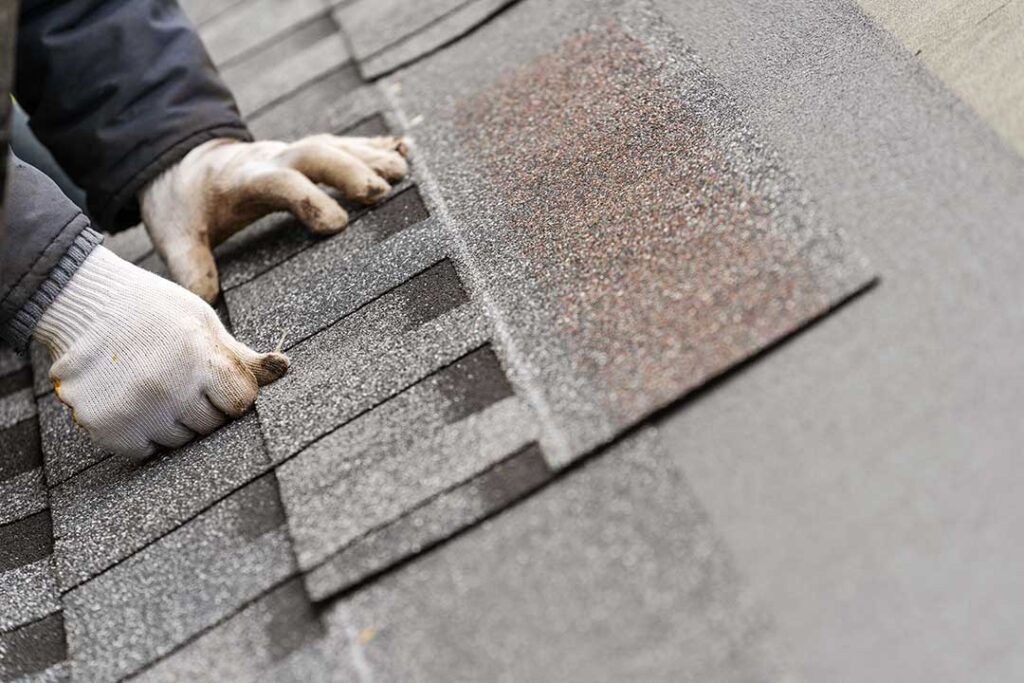
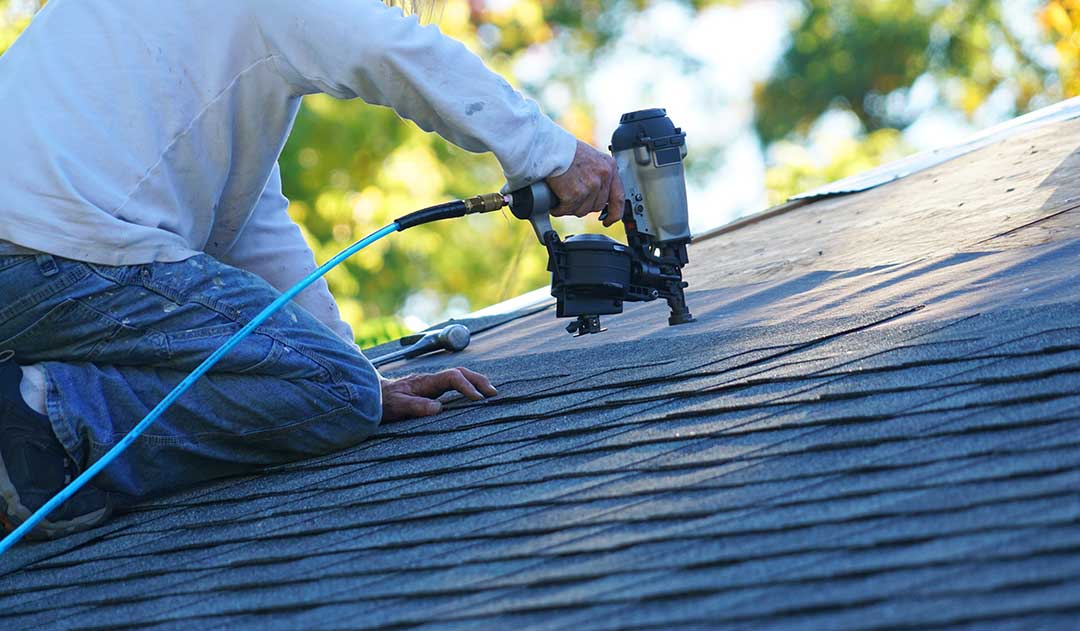
The finished roofing is installed in planned courses so that each layer overlaps the one below it. Fastener placement, alignment, edge treatment, and sealing all affect performance.
Shingles should be installed according to the material specifications and the roof’s slope. Low-slope areas may require a different roofing approach than steep sections. Valleys and roof edges also receive special treatment because they handle concentrated water flow and wind exposure.
For homes in a region with winter snow and freeze-thaw cycles, proper edge protection and secure fastening matter. Wind can lift loose materials, while repeated freezing and thawing can expose weaknesses around flashing, fasteners, and roof penetrations.
Why does attic ventilation matter?
Attic ventilation helps manage heat and moisture beneath the roof. It does not correct every roofing problem, but poor ventilation can contribute to condensation, damp insulation, premature material aging, and winter ice buildup.
A balanced system generally allows air to enter through lower intake areas and leave through higher exhaust areas. Blocking soffit vents with insulation or relying on a single exhaust vent may limit airflow.
Ventilation should be considered together with insulation and air sealing. Adding vents without addressing indoor moisture or blocked intake paths may not resolve the cause of attic dampness.
What should happen during the final inspection?
After installation, the roof should be checked for loose materials, exposed fasteners, incomplete flashing, damaged shingles, open seams, and debris in valleys or gutters. The ground around the home should also be inspected for nails and discarded roofing materials.
The attic may reveal problems that cannot be seen from outside, including daylight through unwanted openings, damp decking, displaced insulation, or blocked ventilation paths.
Important project records may include material information, warranty documents, permit details, inspection results, and photographs of concealed areas. Keeping these records can help with future maintenance, insurance questions, or later repairs.
How should a new roof be maintained?
A new roof still requires periodic observation. Homeowners can safely look from the ground for missing shingles, lifted edges, damaged flashing, sagging gutters, or excessive granules. Attic checks after heavy rain can reveal moisture before interior damage becomes extensive.
Maintenance commonly includes:
- Keeping gutters and downspouts clear
- Trimming branches that rub against roofing
- Removing leaves and debris from roof valleys when safely possible
- Checking flashing after major storms
- Watching for attic condensation or damp insulation
- Addressing small leaks before winter weather worsens them
Roofing is a system, not just a surface. The most dependable results come from sound decking, proper water-shedding details, suitable ventilation, careful installation, and routine attention to the effects of rain, snow, wind, and seasonal temperature changes.
