
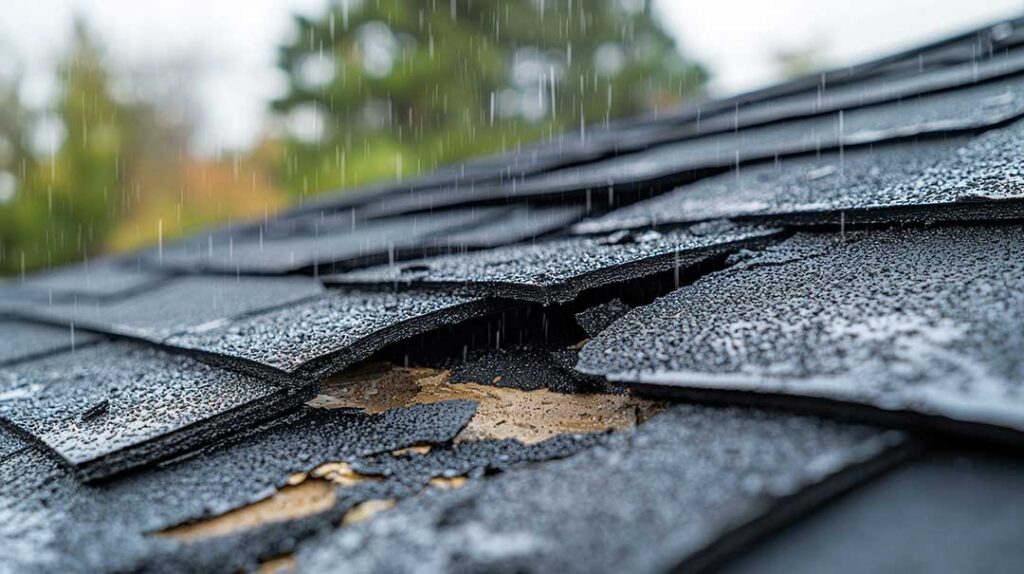
Roofing systems in Greene, NY face repeated changes in temperature, moisture, wind, and snow throughout the year. These conditions do more than create occasional leaks. Over time, weather can affect shingles, flashing, roof decking, insulation, gutters, attic ventilation, and the structural components supporting the roof.
Understanding how each season affects a roof makes it easier to recognize early warning signs and reduce avoidable damage.
How does winter weather affect a roof?
Winter affects a roof through a combination of snow weight, ice formation, freezing temperatures, and repeated thawing. A single snowfall may not cause a problem, but several storms in succession can create significant stress, especially where snow drifts accumulate.
Snow is not always distributed evenly. Wind can move snow into valleys, behind roof features, against taller sections, or along lower portions of multi-level roofs. These concentrated areas can carry much more weight than the rest of the roof.
Ice adds another concern. Ice is heavier than loose snow, and rain that freezes on the roof can increase the load on rafters, trusses, and roof decking. Warning signs of excessive structural stress may include:
- Sagging roof lines
- New cracks in ceilings or upper walls
- Doors that suddenly stick
- Unusual popping or creaking sounds
- Interior doors or windows that become difficult to operate
- Roof areas that appear lower than they did previously
These signs should be treated seriously. People should not climb onto a snow-covered or icy roof, and snow removal should not be attempted with improvised tools from unsafe positions.
What causes ice dams?
An ice dam forms when snow melts on a warmer section of the roof and refreezes near a colder eave. The resulting ridge of ice can block normal drainage, allowing meltwater to move beneath shingles or behind roof-edge materials.
Ice dams are often linked to uneven roof temperatures. Heat escaping from the living space can warm the underside of the roof, while the eaves remain cold because they extend beyond the heated portion of the home. Poor attic insulation, blocked ventilation, recessed lighting, ductwork, and air leaks can all contribute to this temperature difference.
Common signs include:
- Thick bands of ice along the eaves
- Icicles that grow repeatedly in the same locations
- Water stains near exterior walls or ceilings
- Damp insulation in the attic
- Peeling paint or damaged trim near roof edges
Icicles alone do not prove that an ice dam exists, but large, recurring formations deserve attention. Preventive work usually focuses on controlling heat loss, maintaining clear ventilation paths, and ensuring that roof-edge waterproofing is appropriate for local winter conditions.
How do freeze-thaw cycles damage roofing materials?
Freeze-thaw cycles are especially hard on small defects. Water enters a crack, loose flashing joint, deteriorated seal, or exposed roof edge. When temperatures fall below freezing, the water expands and can enlarge the opening. When temperatures rise, more water enters the weakened area.
This process can affect:
- Shingle edges and tabs
- Chimney and plumbing penetrations
- Metal flashing
- Roof valleys
- Masonry near the roofline
- Exposed plywood or roof decking
A roof may appear intact from the ground while concealed damage develops underneath. Interior staining may not appear until water has traveled along rafters, insulation, or ceiling materials.
The transition periods around late winter and early spring are useful times to look for displaced shingles, loose flashing, granules in gutters, and damp attic materials.
Can summer heat damage a roof?
Yes. Summer heat can accelerate the aging of roofing materials, particularly on roof surfaces that receive strong afternoon sun. Asphalt shingles gradually lose flexibility as they age, and repeated heating and cooling can cause them to contract and expand.
High temperatures can contribute to:
- Curling or brittle shingles
- Loss of protective granules
- Deterioration of seal strips
- Cracked roof membranes
- Dry, damaged flashing materials
- Increased attic temperatures
Heat damage is not limited to the roof covering. An overheated attic can raise indoor cooling demand and may shorten the service life of insulation, wiring, and other materials located near the roof deck.
Adequate attic ventilation helps remove heat and moisture, but ventilation must work together with proper air sealing and insulation. Adding vents without addressing blocked intake paths or air leaks may not solve the underlying problem.
How do heavy rain and thunderstorms affect roofs?
Heavy rain tests every joint and drainage path on a roof. Water commonly enters at penetrations, valleys, wall intersections, skylights, chimneys, and areas where flashing has shifted.
Strong thunderstorms can also cause damage without producing an obvious hole. Wind may lift shingle edges, break branches onto the roof, or loosen ridge caps. Hail can bruise shingles, crack older materials, and damage metal flashing or gutters.
After a severe storm, useful observations from the ground include:
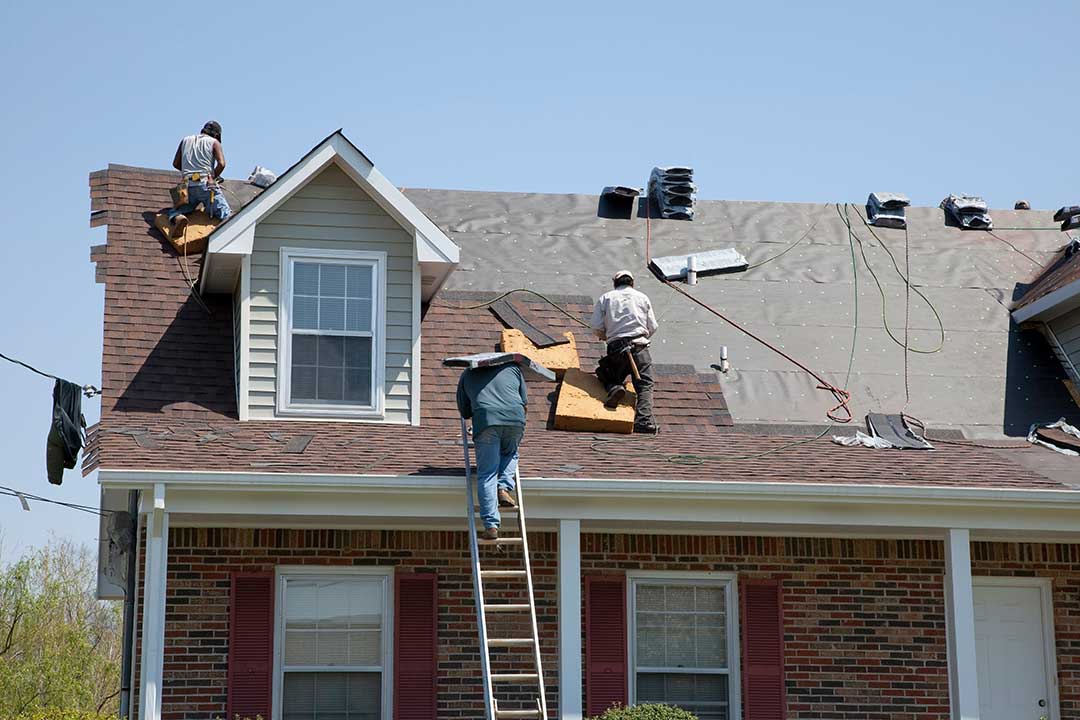
- Shingles that look uneven or lifted
- Missing ridge caps or small roof components
- New dents in gutters or downspouts
- Fallen branches or scattered roof debris
- Water stains in the attic or upper rooms
- Granules collecting heavily at downspout outlets
Roof damage is not always visible from the yard. If a storm may have affected the roof, an attic check can reveal wet insulation, daylight through the roof deck, or fresh water marks. Electrical hazards may exist near wet ceiling materials or wiring, so caution is necessary.
Why are gutters and roof drainage important?
A roof depends on clear drainage to move water away from shingles, fascia, walls, foundations, and entry points. Leaves, twigs, ice, and sediment can restrict gutters and downspouts, causing water to overflow against the building.
In Greene, seasonal leaf fall and winter icing can create repeated drainage problems. Overflowing water may stain siding, saturate wood trim, seep into wall cavities, or contribute to basement moisture near the foundation.
Gutters should be checked for:
- Sections pulling away from the fascia
- Standing water after rainfall
- Split seams or rusted areas
- Downspouts that discharge too close to the foundation
- Ice buildup that prevents normal flow
Keeping drainage paths clear is useful, but gutter cleaning should not involve walking on a roof or using an unstable ladder.
Does roof age matter more in severe weather?
Weather and age work together. A newer roof may tolerate normal seasonal conditions well, while an older roof with brittle shingles, weakened flashing, or previous patching may be more vulnerable to the same storm.
Past repairs also matter. A roof can have sound shingles but deteriorated decking underneath, or a strong roof covering with poorly sealed penetrations. Weather exposure is cumulative, so small defects should not be dismissed simply because they have not yet produced an interior leak.
A practical seasonal check includes viewing the roof from the ground, examining attic conditions when safe, clearing drainage areas, and looking for changes after major storms. Structural movement, active leaks, exposed decking, or extensive storm damage may require qualified evaluation because those conditions involve safety and the possibility of hidden damage.
What can residents do before the next season?
Simple preparation can reduce weather-related problems:
- Keep gutters and downspouts clear before winter and after heavy leaf fall.
- Check attic insulation and ventilation for blocked or damp areas.
- Trim branches that could fall onto the roof during high winds.
- Look for missing, curled, cracked, or loose roofing materials from the ground.
- Inspect ceilings and upper walls for new stains or bubbling paint.
- Keep records and photographs of changes after major storms.
- Avoid walking on icy, snow-covered, or steep roof surfaces.
A roof does not fail only because of one dramatic storm. More often, damage develops through repeated exposure, deferred maintenance, and small openings that allow water or air to enter. Paying attention to seasonal patterns helps local households identify problems earlier, before weather turns a minor weakness into a larger roofing or interior repair issue.
